
Posted on — Leave a comment

Facts About Raw & Frozen Pet Food: A Natural Option for your Furry Friends!

There are a lot of confusing arguments both for and against raw feeding that can be a real minefield. Sometimes it’s hard to know how to do the right thing for our pets, as you’ll often find strong opinions both for and against raw feeding. Let’s explore this (often) controversial topic.

What is raw feeding?

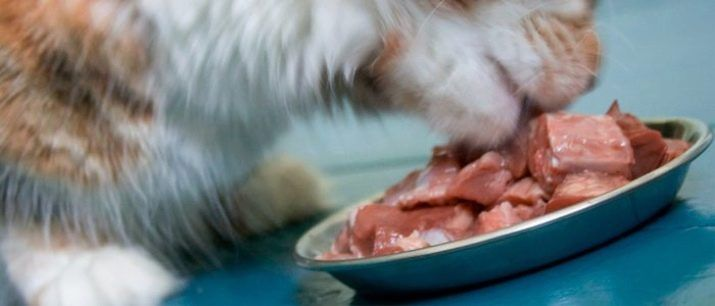
Raw feeding is exactly what it sounds like – feeding your pet raw ingredients, rather than the traditional cooked food that is more commonly available. Raw diets usually contain a combination of raw meat and other uncooked ingredients such as certain fruits and vegetables.

Why do people feed raw diets?

A lot of pet parents who feed their pets a raw diet does so because they see it as being a more “natural” option to traditional pet food. However, there are no studies to support that raw feeding is better than traditional dog food. Owners who feed their dogs or cats a raw diet often claim that they see a lot of good changes in their pet. This can range from a glossier coat and more energy, to less smelly poos! But a lot of the apparent benefits of raw diets can be easily achieved by making sure you’re feeding your pet any balanced, age-appropriate diet.

Today, pet owners who choose raw diets to feed their cat or dog believe they are feeding what their ancestors would have eaten in the wild.Raw diets also enable owners to control what goes into their pets’ food, avoiding additives and preservatives in many commercial pet foods.

What are the problems with raw feeding?

The benefits of raw feeding over traditional pet food have not been proven. The arguments for raw feeding are based on the experience of individual owners rather than official studies on lots of pets showing a real difference. The supposed health benefits of raw pet food diets are not strongly supported by scientific evidence, says Antonio Varcasia, a scientist at the University of Sassari in Italy, who studies how parasites spread in animals. He adds that improperly balanced raw diets can also result in nutritional deficits, like too much protein or too little fiber.

“There are some surveys of owners who feel that their pet is healthy and doing well, but this is not scientific evidence of benefit,” says Jennifer Larsen, a veterinary nutritionist at the University of California Davis.
What do veterinarians say?

Vets advise feeding your pet a complete commercial diet to make sure they stay healthy. This will provide all the nutrients your pet needs if fed correctly according to their weight and age.

Always speak to your own vet before changing your pet’s diet as they can advise you on the best course of action. If there is anyone at higher risk of infections in your household (e.g. pregnant, very young, older, or immunocompromised) then it’s best not to feed raw food to your pet due to the risk of disease from bacteria and pathogens on the raw food.

Whether raw or not, our vets do not advise making your pet’s food at home yourself, unless you have consulted a veterinary nutritionist. If you do choose a raw diet after consulting your vet, always choose a commercially prepared one. This is because commercial suppliers must take precautions to make sure all pet food is packaged correctly to certain hygiene standards, which is especially important with raw food. Companies making complete pet foods will also have to make sure that foods will contain everything your pet needs to stay healthy.

Do not buy any pet food of which the supplier is not registered at the Department of Agriculture for the Fertilizers, Farm Feeds, Agricultural Remedies and Stock Remedies Act, 1947 (Act 36 of 1947) and who is not a member of the Pet Food Industry in South Africa (PFI). Their members have even higher food and hygiene standards than the legal minimum, which means your pet’s food will be safer. You will find their logos and information on the packaging.

Before you decide – the pros and cons

The Pros of feeding your pet raw

a) Feeding a natural diet to pets

The fundamental argument for feeding raw is that this diet is the biologically appropriate method of feeding because our pets’ bodies evolved eating this diet — ‘anything less will fall short of what their bodies require for best health, longevity and freedom from disease.’ (Dr Ian Billinghurst, a veterinary surgeon with over 40 years’ experience dealing daily with health problems in companion animals, with clinical experience using RAW whole food nutrition. B.Sc. Agri. in 1966 from Sydney University as an Agronomist and Nutritionist).

Whilst our pets have been the subject of much breeding and inter-breeding over the centuries, producing a wide range of breed sizes and builds not present in the wild thousands (or even hundreds) of years ago, the essential biology of dogs and cats has not changed. So, proponents argue, the natural diet of their ancestors remains the most appropriate diet for our pets today.

b) Leading to better health and longer life — naturally

Advocates believe feeding an evolutionary appropriate raw diet profoundly benefits the pet’s health, including less wind and firmer poo; a fuller, shinier coat; greater enthusiasm for their meals; fewer intolerances; less incidence of obesity.

In addition, writing on the BARF (Biologically appropriate Raw Food) diet, Dr Billinghurst points to much reduced incidence of ‘dental problems, skin problems, ear problems, eye problems, bowel problems, kidney and heart problems, pancreas and liver problems and immune system problems,’ and ‘an enormously reduced chance of developing both infectious and degenerative diseases. They rarely develop cancer. This healthy state continues into advanced old age.’

As may be expected, manufacturers of mainstream pet foods dispute claims that their foods are either unhealthy or give rise to increasing incidences of pet cancer. At present there are few independent scientific studies on the raw food diet — perhaps partly due to there being little incentive for commercial pet food companies to fund such studies.

That said, there are a number of studies in progress and, for example, a recent study by Dr Anna Hielm-Bjorkman in Finland evaluating the levels of homocysteine, a marker of inflammation and chronic disease in the body, relating to diet found that the pets fed raw food, and who continued to eat raw food, had the lowest homocysteine levels.

c) You have control over what you are feeding your pet

Feeding a homemade raw diet, you are in complete control of what you include in your pet’s food, and the quality and origin of the ingredients.

You can prepare the diet to avoid foods to which your dog  and cat may be allergic, and to meet your pet’s specific nutrient requirements. You can also vary the nutrients according to, say, time of year, activity of your pet etc.

Similarly, you can be sure to avoid inclusion of unhealthy additives, such as preservatives, or foodstuffs that are high in calories. If using, pre-prepared commercial raw meals you obviously do not have quite the same control over ingredients. But there are advantages in that it is a simpler feeding regime, and you do not have to find all the individual ingredients that go to make sure your pet receives a nutritionally balanced, varied diet. The raw meals are usually supplied frozen, which means they do not require added preservatives

d) How easy is it to switch to raw?

Dogs are fairly adaptable creatures and switching to raw is not a complicated matter as long as your dog is in good health. That said, our pets are individuals and there is no absolute rule about their preferences. If your dog doesn’t take to raw, you will probably not want to force him. Cats can be more complicated. Cats are carnivores and will need a diet that differs from that of a dog.

On your side it will also be easier if, at least to begin with, you use a ready-prepared raw food as opposed to homemade. A straight swap can work, feeding your pet their usual meal the night before, allowing 12 hours, and then make the switch to raw food in the morning. Alternatively, you can try phasing it in by offering raw as a treat initially then slowly increasing the percentage of raw in their diet. Raw dry food is also now available, which has a similar texture to commercial kibbles. Your pet may experience some initial symptoms as their digestive system adapts, most commonly bad breath and/or diarrhoea (or constipation), but these should soon pass; if not, consult your veterinarian.

The cons of feeding your pet raw

a) Risks from harmful bacteria

Bacteria such as E.coli, salmonella and clostridium botulinum have been found in raw food for pets and remain present in the pet’ stools. A dog’s constitution is much stronger than humans. Therefore, you and other people in the household are likely to be more at risk of being made ill by such bacteria than your pet. You do need to ensure you apply the rules of good hygiene to protect yourself and others in the household. Cats are more sensitive, and extra care should be taken.

For example, after handling raw meat always wash your hands thoroughly, and clean cutting surfaces and utensils. You can also minimise the risk of bacteria spread by using stainless steel bowls to serve your pet raw food and washing up the bowls as soon as your pet finishes eating. However, if very elderly people or young children are in your home, or people with a compromised immune system, you need to take extra care to ensure these vulnerable members of the household are protected from any contact with harmful bacteria.

On a similar note, a raw diet is not suitable for pets with a compromised immune system, for example if your pet is suffering from cancer or similar diseases. And raw is inappropriate for pets suffering from kidney diseases or liver diseases because, due to the high protein levels in raw food, such pets will find the food difficult to digest. Always consult a veterinarian.

b) It’s down to you to get the nutritional balance right

When feeding homemade it is also quite difficult to ensure you’re providing your pet with the necessary nutritional balance and varying diet of proteins that they need. It is important to vary your pet’s raw meals so that they receive the full spectrum of amino acids in the correct balance to minimise the likelihood of food intolerances developing. In addition, a varied diet helps to maintain the integrity of your pet’s gut lining.

As ever, you also need to be vigilant when feeding bones. Raw whole bones can be good for natural teeth cleaning and nutrition for dogs, but there is always the potential of chipping or damaging the teeth on a bone, or ingesting bone fragments. Feeding bones to cats are not recommended.

c) Expect raw to be more time-consuming, and more expensive

To get the potential benefits of feeding your pet a raw diet, you need to get the nutritional content right. This takes a fair degree of nutritional know-how, which takes time and commitment to develop. And symptoms arising from nutritional deficiencies can take months before they can clearly be identified. The sourcing and calculation of ingredients to ensure sufficient and varied nutrition, as well as preparation of the meal, are also time-consuming and can be difficult to fit into a busy lifestyle.

Feeding pre-prepared raw meals can get round most of these problems, but you still need the freezer space, and you can expect feeding raw in any form to be more expensive than high quality cooked wet or dry pet foods.

You have decided to feed raw. What now?

Feeding a high-quality raw diet can be expensive compared to other high quality, commercially produced pet food. Be cautious as cheaper raw alternatives are available but may not meet the high hygiene standards needed to be safe to feed to your pet. We also wouldn’t recommend buying meat or cheaper raw products from the supermarket or butcher that are meant for human consumption. These are meant to be cooked before eating, so are likely to have higher levels of bacteria than recommended for raw feeding.

Even taking all the precautions above, there is still a risk of infections that can affect your pet’s or family’s health. So, if you choose to feed a raw diet, it’s important to be hygienic at home as well:

•       Keep everything (storage boxes, bowls, cutlery, etc) you use to prepare or handle raw food separate. Stainless steel bowls and metal or glass boxes are best as, unlike plastic, they won’t develop tiny cracks on their surfaces which can harbour bacteria.

•       Always wash your hands before and after handling your pet’s food.

•       Feeding a raw diet will require planning as you’ll need to safely defrost food before feeding it to your pet. Use a sealed container to allow the food to thaw in the fridge without compromising the safety of your personal foods. You can’t microwave raw diets to speed up the defrosting process as this can cause uneven thawing creating hot spots which can cook parts of the food and heat others to unsafe temperatures.

•       Wash everything thoroughly after feeding. Always sanitise any surfaces you’ve prepared raw food on.

•       Once frozen meats are defrosted, they must be consumed by your pet within 24 hours and never re-frozen.

•       Remember that your pet’s saliva and poop can contain lots more potentially dangerous bacteria if they are fed raw food. Wash your hands after touching your pet.

Sources:

https://www.pdsa.org.uk/pet-help-and-advice/looking-after-your-pet/all-pets/raw-diets

https://www.nationalgeographic.com/animals/article/raw-pet-food-risks#
https://drianbillinghurst.com/barf/

https://pfisa.co.za/

https://www.gov.za/services/services-organisations/permits-licences-and-rights/fertilizers-farm-feeds-agricultural

Posted on — Leave a comment

How do you know your pets love you?

 Our Doggies, our Bestest friends

1. Licking

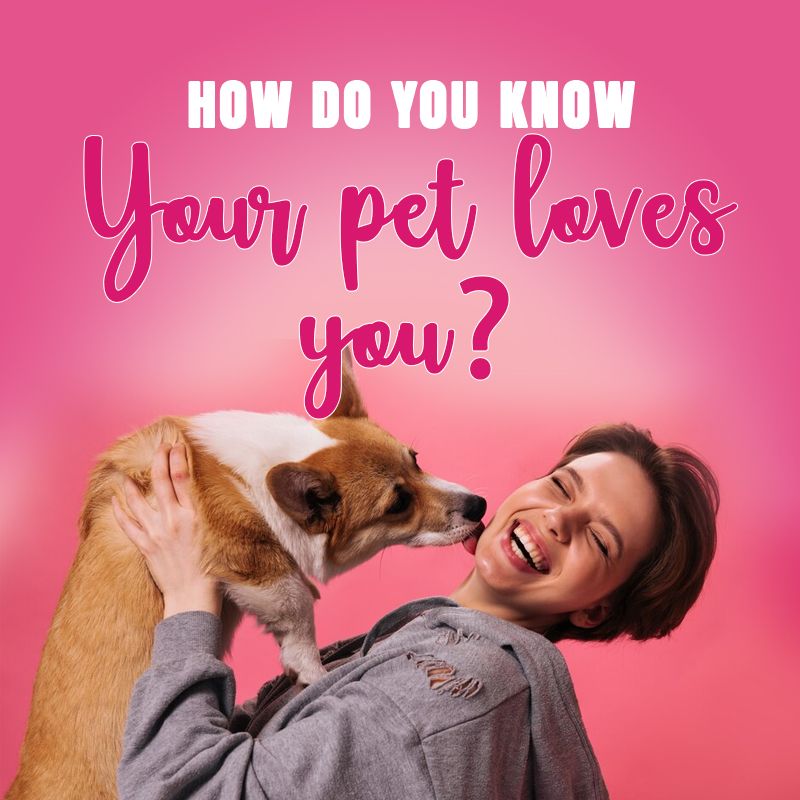
We call it ‘giving kisses,’. Not quite the same as us humans, but their version of a kiss is licking the face and hands of the people they love. Licking is probably one of the more obvious ways in which dogs show their affection. That said, some dogs just are not into it. Do not take it personally if your dog is not a kisser.

2. Leaning

If you have ever felt your dog lean their full weight against your legs, they were showing you a sign of complete trust. This means your dog sees you as a protector. Your dog may do this for comfort when they are feeling scared, but when they lean against you during quiet times at home, it is the equivalent of a full-body hug.

3. Bringing you their toys

Presenting you with their prized possessions is a major sign of affection! They could be bringing you gifts since they see you as the head of the household. Or, if the toy is broken, they might see you as an intelligent being who can repair it for them – a sign that they trust you with this important task. Plus, wanting to play is a sign of puppy love!

4. Nudging you with their nose

Nose nudging can mean a few different things – hey, pay attention to me, pet me, or…I love you. Any one of those is a sign that your dog wants to be near you and wants physical contact. 

5. Making a big sigh

Has your dog ever let out a big SIGH after they got really cozy next to you? Soft vocalizations, like sighs, groans, and the like are signs of contentment in dogs. When you hear your furry friend do that, it means they are happy!

6. Making eye contact

Long gazes are reserved for people we feel completely comfortable with. The same goes for dogs. In fact, maintaining eye contact with your dog helps deepen your bond. When your pup looks at you, their brain releases oxytocin. Known as “the love hormone,” oxytocin is the hormone that mothers’ brains release when they bond with their puppies. 

7. Sleeping near you

Dogs are descended from wolves. While they have been domesticated for thousands of years, some things have not changed. One of those things is their predisposition to sleep in packs for protection. If your dog feels the need to sleep in your bed, or at least in your room, it is because they see you as a member of the pack, a family member.

9. Following you around

Since they are pack animals, dogs always want to be with you. It is part of their genetics to follow you everywhere because they consider you a part of their pack. They also do it because they enjoy your company and might suffer from a little bit of FOMO (fear of missing out)! 

10. Stealing your shoes and socks

If your dog raids your dirty laundry for your smelliest clothes, your stinky shoes, and your sweaty socks – yes, it is yucky, but – it is a sign of love. It shows that they missed you while you were away and just cannot get enough of your unique smell. The stinkier the better, apparently! It is okay to discourage this behaviour for the sake of your shoes and socks but just remember that your dog is doing it out of love.

Your Fierce Feline Friend, the Cat

1. Purring

Of course! Purring is something that pretty much every single cat does, but interestingly we know less about why cats make this noise compared with other noises they’re famous for (like hissing or chirping). The reality is that purring has many different meanings. Cats often purr when they are feeling relaxed, but they may also purr to self-soothe if they are feeling stressed or are injured. When kittens are born, mama cats purr, creating a vibration to guide kittens to mom’s nipple to nurse. Cats will also purr to socialize with other cats and communicate with their owners that they want something.

2. Showing its belly

Sounds familiar? Your cure furball stretches out and shows off his fuzzy belly, which makes you want to reach out and give him a little pat or affectionate scritch. Only this is met with a rescinded offer—perhaps even a batting of the paw or a light bite. Strange cat behaviour…  When cats expose their bellies to us, they are saying they trust us. But when we take them up on this ‘offer’ by rubbing their bellies, they may retract it with a bite or a scratch, as it was only meant as a form of communication. You can look, but do not touch!  If you establish even more trust you may be able to go in for the pets without reprimand, but be gentle and keep in mind this is a physical expression of trust more than it is an invitation. You may not recognize these subtle ways that your cat is showing affection.

3. Licking you

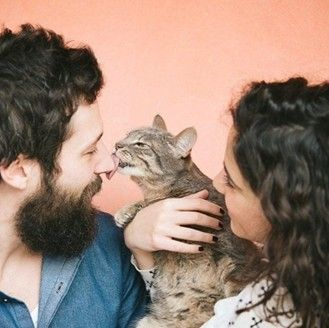
Like your cat licking you with their rough tongue?   A cat will lick their humans to show care and affection. When your cat licks you, they are creating a special social bond with you,” she says. “This licking behaviour stems from kittenhood, when a mama cat licks her kittens to groom and show affection. Some cats even love a big fat kiss from you too!

4. Bringing dead animals (or toys)

Got a dead mouse for Christmas? Cats are  known to bring their humans dead bugs, rodents, and birds. Your cat may bring you a prey item—such as a toy or mouse—presenting it to you as a gift. This is your cat saying you are part of their pack and they want to make sure you are well fed! Other reasons they do this could include trying to

5. Kneading

Cat kneading goes by so many names: making biscuits, playing the piano, mashing potatoes, sleepy marching. However you refer to it, this cat behaviour is downright adorable! There is a reason cats do this, and it is not just to be extra cute. This behaviour is all about love and comfort. For example, a cat will knead its owner to show affection or knead a blanket to create that perfect comfortable spot to settle in for a nap. Kneading is also a self-soothing behaviour for anxious kitties.

6. Rubbing and head bobbing

This is one of those cat behaviours that every cat parent has seen a million times but perhaps isn’t quite sure what it means. Cats often rub against objects in your home, but they’ll also rub against you. What does this mean?  They’re marking their territory,  and that includes you. Cats have scent glands on their face that deposit unique identifying odours on the object they rub against. When they rub against you, they are affirming that you are part of their family.

7. Sloooooow Blinking

Eyes are said to be the windows to the soul, and cats use eye contact with their people to show adoration. Often, cats directly stare into the eyes of those that they trust and love. Cats will often make eye contact with lowered eyelids and steady, slow blinks. This is considered a feline version of a kiss, and you can even try slow blinking to show love back to cats.

8. Greeting You at the Door

Your cat is trying to show you that they missed you when they greet you at the door. This is often followed by walking in-between your legs and curling their tail around your legs. Sometimes it is also accompanied by meowing and “rattlesnake tail” behaviour, where your cat will shake their tail quickly. This is your cat’s way of welcoming you home. They may also be telling you something more important, like they’re ready to eat, they need fresh water, or their litter box needs to be cleaned, so be sure to check these things.

9. Following You

Cats often follow those they love and trust around the home. It is similar to the greeting at your front door, where they follow behind you and keep you in sight at all times. They may also weave around your legs. They either love you or just want more food! We will go with the love first!

10. Tail Language

Yes, cats often use their tails to express adoration for their pet parents. A content cat will often hold their tail in an upright position with a C-shape or hook at the very top.  They may slowly wag their tail back and forth and allow it to touch you when they are lying next to you. Sometimes, cats will even rattle their tail while walking when they are very happy to see you. But watch closely if your cat is shaking and rattling their tail in front of a vertical surface, because this can also be a sign of urine marking.

Your Fluffy Bunny

1. Nuzzling

Rabbits often nuzzle or gently nudge their humans with their noses. This action indicates trust and affection, as rabbits are social animals that establish bonds through physical contact. 

2. Licking and Grooming

When a rabbit licks or grooms you, they are displaying affection, concern for your hygiene and well-being, and that they consider you to be part of their social group. Even having a rabbit grooming themselves in your presence should be considered a distinction of honour and a statement of trust. Grooming is a significant aspect of rabbit interactions, and reciprocating this gesture by gently stroking their fur can strengthen the bond. After you have built a good grooming routine with your rabbit, they will also recognize that process as you showing your love and concern for them in the same way.

3. Marking You as Their Property

Similar to licking and nuzzling, but with more of a territorial emphasis, a rabbit will mark things, people, or other animals as a way of claiming them. Using a scent gland located under their chins, rabbits will mark their territory to communicate to other animals “This thing is mine! Nobody else take it!”

4. Purring and Grinding Teeth

Like cats, rabbits often purr when they are content. They can also exhibit a behaviour known as tooth purring or tooth grinding. This occurs when a rabbit grinds their teeth rhythmically, often accompanied by closed eyes. This action indicates a relaxed and affectionate state. And do not worry about your rabbit’s teeth. As bunnies’ teeth grow so quickly, grinding can actually be a good way for them to help keep them filed down!

5. Stretching Out

When a rabbit lies down with their body stretched out, it is a pretty clear sign of comfort and relaxation. This vulnerable posture indicates that the rabbit feels at ease in your presence and implicitly trusts that you will not try to eat it. Like all known animals, the most reassuring feeling for a rabbit is – the confidence that they are not about to be eaten.

6. Lying Next to You

Rabbits that choose to rest or nap beside their human are showcasing a strong level of trust and affection. It is a way of seeking companionship and showing that they enjoy your company.

7. Leaning and Snuggling

Rabbits might lean against you or snuggle into your lap, indicating their desire for closeness. This physical contact is a demonstration of their attachment and comfort around you. They could have curled up on a fruit cushion somewhere or on your laptop, but instead they chose your lap. You should feel very loved.

8. Lifting Their Heads for Petting

When a rabbit nudges their head under your hand or lifts their head for pets, they are actively seeking your touch and attention. It is a way of saying they appreciate your affection and want more of it. To ask for a hug from someone, in any language is a clear statement that you value their affection.

9. Binkying

Binkying is an expression of pure joy. Similar to to popcorning in guinea pigs, or the butt waggle some dogs get, this particular display of happiness is unique to rabbits, and happens when they can’t physically contain the joy they feel inside. A ‘binky’ involves leaping into the air, twisting, and sometimes even kicking out their legs. When a rabbit binkies around you, they’re expressing happiness and excitement in your presence. This little fluff ball is practically erupting with happiness and you’re invited to the party. What could be better?

10. Following You Around

Like a younger sibling might follow their big brother or big sister, or cheering fans might follow a celebrity, your rabbit following you from room to room is a clear statement that:  They think you are cool!  They like your taste in music, activities, conversation, etc. It just feels good being around you…

Fish, yes…. Your Fish!

1. Pet fish often learn to recognize the person who feeds them. This can be simple operant conditioning. They are capable of remembering past social interactions that they’ve had with other fish, and they show affection by rubbing against each other just like other animals.

2. Huddling towards you when you walk close to a tank.

3. Following you around when you walk across a room where your aquarium is located.

4. Feeding directly from your hand.

5. Not panicking or moving away when you place your hand on the aquarium glass.

Your not so cold, reptile

Well, maybe they will not give you a kiss, but they can demonstrate trust.

They will move slowly when handled; snakes move quickly when stressed to avoid danger. If they are comfortable around you, they will be relaxed when picked up.  If they do not hyper-focus too often; snakes who feel threatened will focus on what is in front of them such as prey or predator.

Sources : www.ensteinpets.com/ readersdigest.com.au/ petmd.com/ Quora.com/ guineadad.com

Posted on — Leave a comment

Show your pets that you Love them!

1. TOUCH

The daily message to your pet should be that you love and appreciate them appreciation, not just on special occasions like Valentine’s Day. Enjoy and pamper them, show them affection, and take extra cuddles. Regularly bathe, check for ticks and fleas, brush your pet, and be slow to anger. Cherish every moment with your pets, as they will reciprocate the love.

2. FEED THEM HEALTHY FOOD

Pets thrive on a healthy diet, but misinformation and conflicts of interest exist regarding pet food. At Pet & Pool we offer a wide range of healthy food and treats, including some over the counter veterinary food products. Our staff will assist you in choosing the best food for your pet. Please remember to check with your vet when your pet has a medical condition and need special food, and what treats should be avoided.

3. KEEP THEIR CHOMPERS CLEAN

Just like us humans, regular dental check-ups are crucial for your pet’s overall well-being, as poor oral hygiene can lead to serious health issues affecting other organs. Regular check-ups are recommended at least once a year and should be done promptly if signs of dental issues are noticed. Pet & Pool offers various dental health products, including toothpaste, toothbrushes, mouth washes, healthy treats, and toys that promote oral care.

4. WALKIES!

Exercise is a vital part of enriching your pets’ lives. Walking, running, playing fetch or tug, any active play, are all great ways to keep your dog physically fit. For cats, try interactive play with wand toys or balls with bells inside. Some cats can be taught to enjoy walks outdoors wearing a harness and leash. Many of these activities have the added benefit of exercising humans too! Always check with your vet before starting your pet on a new exercise regimen. Also make sure that your senior dog is not struggling with joint pains, and that you have the correct collar, lead and harness for your outing. Remember the poop scoop, bags and water for a relaxed and well-planned outing.

5. WHAT DOES YOUR PET WANT?

Start to learn on how to understand your pet’s behaviour. Once you speak “dog, cat, bunny” etc., start observing whether your pets enjoy the activities you’re asking them to participate in. Does your puppy really like wrestling with other dogs? If not, cut it from your repertoire. Try to find things that they love doing and work those activities into your schedule. For example, if your cat loves going outside, build a cattery so she can enjoy the outdoors safely if there is no safe outside space already.

6. SIT! STAY! GOOD JOB!

Training your pet, including dogs, cats, bunnies, hamsters, and goldfish, can strengthen the bond between you and your pet. Reward-based training motivates and rewards excellent behaviour, providing mental and physical enrichment. Classes in basic manners, social skills, or working dogs can help build trust and respect. Positively trained pets are more patient, self-controllable, and consistently behave.

7. LET’S VISIT THE VET

Nobody likes going to the doctor and our pets are no different. But you can teach your pets to tolerate going to the vet by doling out delicious treats that make the experience more enjoyable. Many clinics will allow you to simply come and visit, so that later when an appointment is necessary, your pet will have a more positive association with medical care. Don’t forget to schedule your pet’s annual checkup while you’re there.

8. PLAY, PLAY & MORE PLAY

Dogs help reduce stress, anxiety, and depression while encouraging exercise and improving overall health. Engaging with your dog serves as a stress-relief mechanism, eliminating stress symptoms and providing mental and physical benefits. It also alleviates any anxiety your pet may feel when left alone at home. To prevent boredom, find enjoyable activities like fetch, hide-and-seek, or scent games. If needed, consult a reward-based trainer to teach your dog how to play effectively. And remember, you will benefit from this play!

9. HELP THEM TO CONTROL THEIR FEARS

Pets can be fearful of various things, such as loud noises from thunderstorms, fireworks, and household appliances. This fear can manifest through shutting down, retreating, or behaving aggressively. Often, we overlook our pets’ fears until they become problematic. To enhance your pet’s quality of life, make a commitment to address these issues this year. If unsure where to start, consider hiring a certified behaviour consultant for effective techniques or explore reputable online resources for assistance. It might be necessary to use some stress reducing supplements. Pet & Pool carries a wide range of products that will assist your pet in being more relaxed during strenuous time.

10. PLAN A PET FRIENDLY HOLIDAY

When going on holiday, you can choose to board your pet at a kennel, hire a pet sitter, or ask a friend or family member to care for them. Whatever you choose, make sure to meet your pet’s needs and give clear care instructions. Alternatively, consider taking your pet with you, which they will enjoy. If you decide to bring them, create a packing checklist for their essentials. Gradually acclimate your dog to travelling by taking them on short car rides or practice trips to familiarize them with the experience. This helps reduce anxiety and stress during longer journeys. Consider using a pet carrier or seat belt harness to keep your dog safe and secure in the car.
Dogs may find it hard to relax in new places, so create a “portable safe space” with their favourite items. Plan your car setup and stops in advance, ensuring they’re pet-friendly. Always keep your pet safe, especially in hot weather and from environmental hazards like snakes and ticks. Make sure that the vet looks them over before you hit the road! Make sure you are aware of where the vets are at your holiday destination and save their contact details and practice hours safely somewhere.

By showing your pet love and affection, they will know that you care and will return your love in multiple pet-loving ways!

Posted on — Leave a comment

Taking care of your pet’s teeth

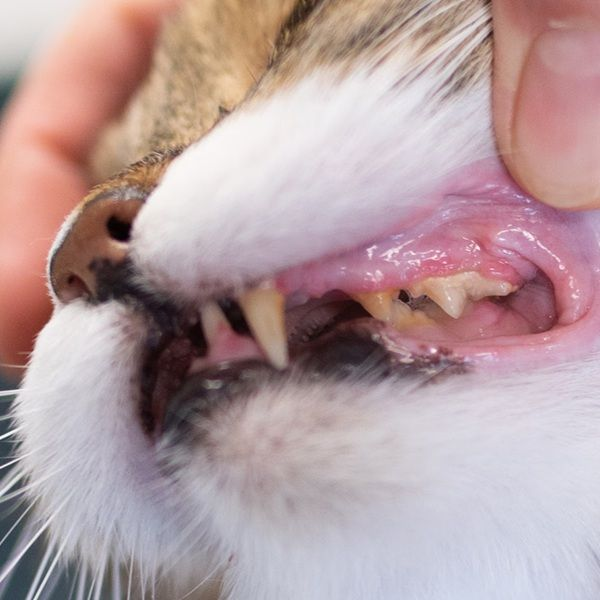
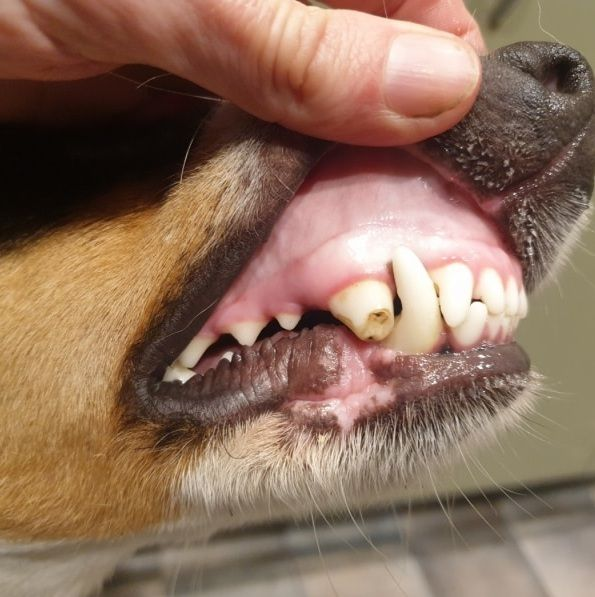
Unlike humans, pets do not spend much time worrying about their oral hygiene. They are too busy chewing sticks, rolling around in the mud, and sniffing the smelliest things they can find on the sidewalk to care about their oral health. Most pets are not so big on personal space, either – frequently jumping in laps and giving slobbery kisses. Dental health is a very important part of your pet’s overall health, and dental problems can cause, or be caused by, other health problems. Your pet’s teeth and gums should be checked at least once a year by your veterinarian for early signs of problems and to keep your pet’s mouth healthy. Have your pet’s teeth checked sooner if you observe any of the following problems: Bad breath, Broken or loose teeth, Extra teeth or retained baby teeth, Teeth that are discoloured or covered in tartar, Abnormal chewing, drooling, or dropping food from the mouth, Reduced appetite or refusal to eat, Pain in or around the mouth, Bleeding from the mouth & Swelling in the areas surrounding the mouth.

Some pets become irritable when they have dental problems, and any changes in your pet’s behaviour should prompt a visit to your veterinarian. Always be careful when evaluating your pet’s mouth because a painful animal may bite. That means, as a pet owner, you are inevitably going to get some bad breath from your pets mouth in your face every so often. But when it comes to keeping your pet’s teeth clean, you can take steps you can take to support your pet’s dental health—namely, keeping up with regular teeth cleaning to avoid a potential dental problem. Teeth brushing is not just about ensuring your pet has fresh breath. It is also helpful for every pet parent to check in on their dental health and look out for early symptoms of a pet’s dental disease and tooth decay. By following the below steps on how to clean your pet’s teeth at home, you can help ensure that your pets teeth stay fresh and healthy.

Causes of pet dental problems

Although cavities are less common in pets than in people, they can have many of the same dental problems that people can develop: Broken teeth and roots, Periodontal disease, Abscesses or infected teeth, Cysts or tumours in the mouth, Malocclusion, or misalignment of the teeth and bite, Broken (fractured) jaw & Palate defects (such as cleft palate).

Periodontal disease is the most common dental condition in pets and cats – by the time, your pet is 3 years old, he or she will very likely have some early evidence of periodontal disease, which will worsen as your pet grows older if effective preventive measures aren’t taken. Early detection and treatment are critical, because advanced periodontal disease can cause severe problems and pain for your pet. Periodontal disease does not just affect your pet’s mouth. Other health problems found in association with periodontal disease include kidney, liver, and heart muscle changes.

How do dental problems start?

It starts with plaque that hardens into tartar. Tartar above the gumline can often easily be seen and removed, but plaque and tartar below the gumline is damaging and sets the stage for infection and damage to the jawbone and the tissues that connect the tooth to the jawbone. Periodontal disease is graded on a scale of 0 (normal) to 4 (severe). The treatment of periodontal disease involves a thorough dental cleaning, and x-rays may be needed to determine the severity of the disease. Your veterinarian or a board-certified veterinary dentist will make recommendations based on your pet’s overall health and the health of your pet’s teeth and provide you with options to consider.

General Dental care

Teeth cleaning is a skill that needs to be trained by your pet like any other—think of it as a special trick that comes with the bonus of supporting their health. As with obeying any command, cleaning your pet’s teeth will be much easier if you start this training when they are a puppy. Besides, many puppies are naturally inclined to nip and nibble on fingers anyway, so you might as well brush their teeth while they are at it! If you are using a finger brush, this is also a good time to help train a puppy’s bite control. Puppies often need feedback to know when a bite is playful versus hurtful. If your puppy nips your finger during brushing, you can make an exaggerated pain reaction (“Ow! I am hurt!”) and turn away, so your pup will learn this boundary.

Clean your pet’s teeth at home

If your first question is, “how do I clean pet teeth at home?” your second question is, “how often do I need to do it?” Many experts recommend that pets have their teeth brushed once a day (which is hopefully half as many times as their human counterparts). Does that seem like too often? Are your pet and you cocking your heads to the side in confusion? We know that might seem like a lot of brushing, especially if you have been skipping your pet’s dental hygiene in the past, but once regular teeth cleaning is a part of your routine, it will be as easy as going out for a walk.

And do not worry—if your pet is skittish about having their mouth touched or otherwise resistant to daily brushing, their teeth are not going to just come tumbling out if you slack for a few days. At the very least, try to clean your pet’s teeth during their regular bath and grooming times. But if your pet resists all attempt at cleaning, it may be worth taking them to a professional that can help to reduce the stress of this routine. To begin with, you are going to need some canine dental supplies to start cleaning those chompers. Ordinary human toothpaste is a no-go, as it contains ingredients that can upset your pet’s stomach—and chances are, they will not appreciate the minty flavour as much as you do. Instead, toothpaste options for pets tend to come with more food-like flavours like chicken, pork, or beef.

To start with, you will need three items:

You will find a wide range of dental health products at Pet & Pool. It also includes dental treats as well as toys that promote dental health by chewing.

1. A pet-specific toothpaste – There are a ton of different pet toothpaste on the market, so do some research to figure out which one is best for your pet before dental cleaning, keeping in mind their breed and age. Also, consider doing a taste test (conducted by your pet, not you) to see which toothpaste flavor your pet likes the best. If they view the toothpaste as a treat, it will be easier to work brushing into your routine.

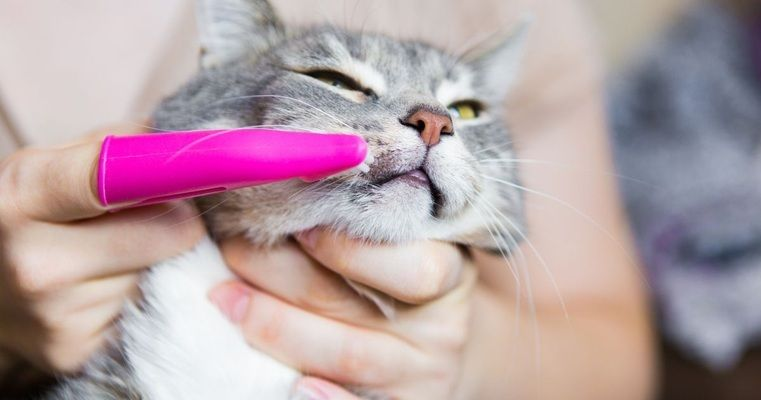
2. A toothbrush – While many handled toothbrushes are explicitly made for pets, a soft-bristled child’s toothbrush works just as well (and is often a bit more durable). Many owners also prefer the finger brush, which is a brush mounted on a rubber guard that slips over your finger. Approaching your pet with your finger rather than a handled brush tends to be easier. A finger brush may also make it easier to feel around for abnormalities.

3. Rubber gloves – These are especially important when using a finger brush—and can help protect your hands from drool, pet toothpaste, and teeth (in case they like that toothpaste flavor a little too much).

The action of brushing your pet’s teeth is simple—in theory, anyway. Most pets, especially at first, will not understand why you are trying to stick your finger in their mouths, and it may take a little coaxing (and a lot of treats) before they get used to the feeling. That said, there are four basics you should be aiming for in your pups teeth brushing routine:

Brush the outside of the teeth – Unlike humans, you only need to brush the outside of your pet’s teeth. At first, focus on the canines and the large cheek teeth as that is where most gunk accumulates. Once your pet becomes more cooperative, you should be able to take a run at their back teeth. Do not forget the gums – Gently brushing the gums above the teeth can also help prevent gum disease. Brush in a downward direction – This will be more comfortable for your pet. Spend about 30 seconds to a minute per side – Your time spent may vary depending on how cooperative your pet is, but there is no reason to brush for more than a couple of minutes overall.

Remember!

While the basics are simple enough, each pet behaves differently. So, let us focus on some helpful tips and other ways to clean your pet’s teeth at home. If you did not start brushing your pet’s teeth when they were a puppy, do not worry. They can still learn to accept your finger (or a toothbrush). It might just require some time, patience, and a little trickery. To get your pet accustomed to having your finger or brush in its mouth, start by simply letting it eat food off your finger. Now is a great time to try out your canine-friendly toothpaste to see if there’s one your pet likes. Once your pet is a bit more comfortable, you can try brushing. You may have to hold their muzzle to get them to comply, but do not use too much force—you want this to be a positive experience. If you have a bigger pet—or a very wiggly little pet—it can also be wise to have a partner to assist you during brushing. Letting one person hold and soothe the pet while the other brushes can make the experience a little more calming for your pet. Brush as much as you can, and regardless of how much stubborn mutt behaviours you encounter, be sure to lavish your pet with praise and a treat. Pretty soon, your pet may even be excited to have their teeth brushed. Giving your pet a treat after teeth cleaning (or an attempted cleaning) is a smart positive reinforcement, but it is also an opportunity to work in some stealthy dental hygiene. Healthy dental treats are ideal.

Happy brushing!

Posted on — Leave a comment

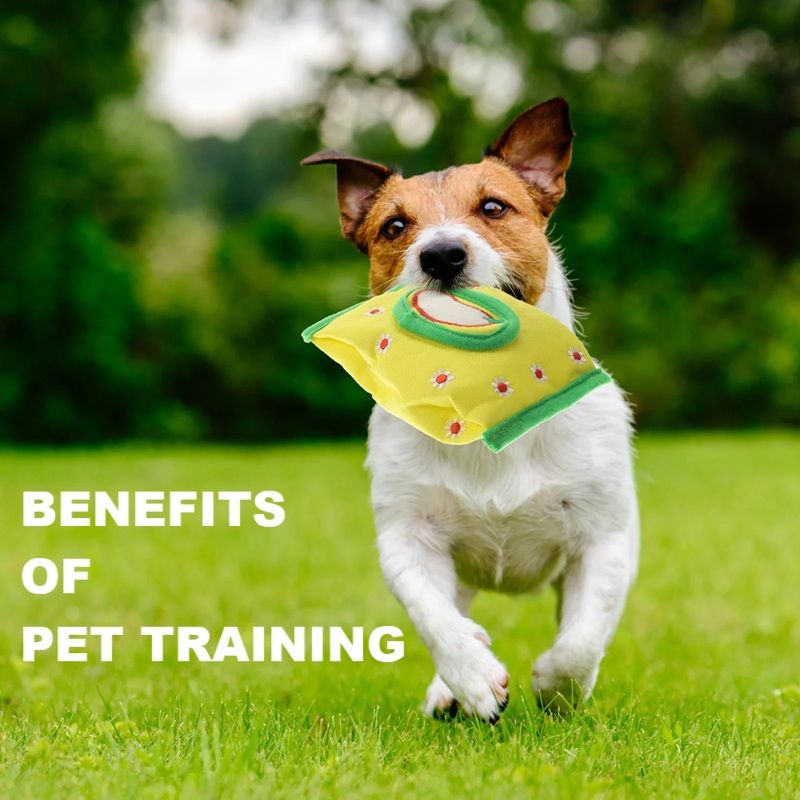
Benefits of Pet Training

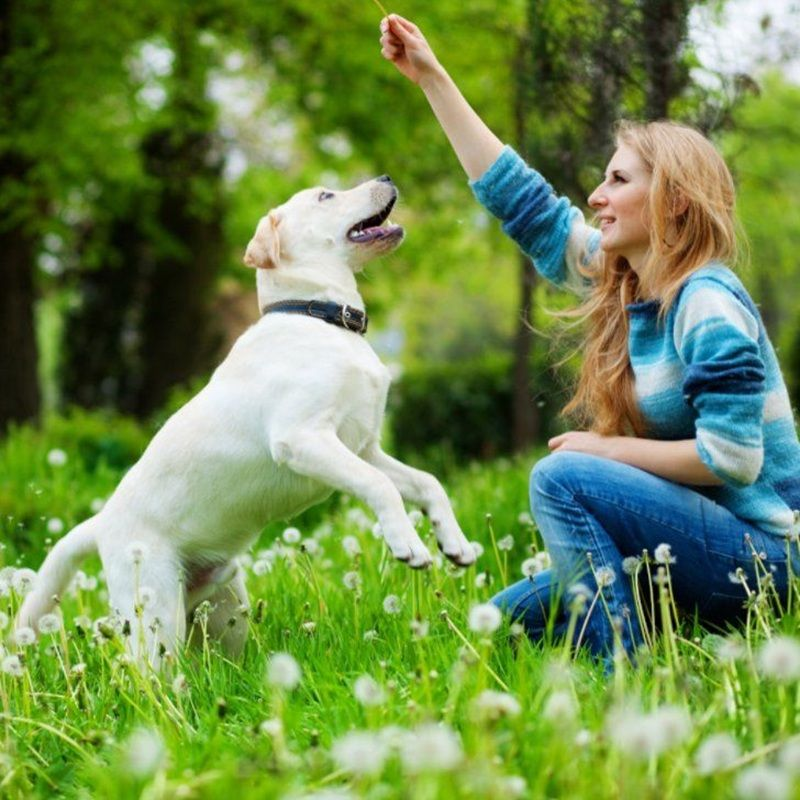
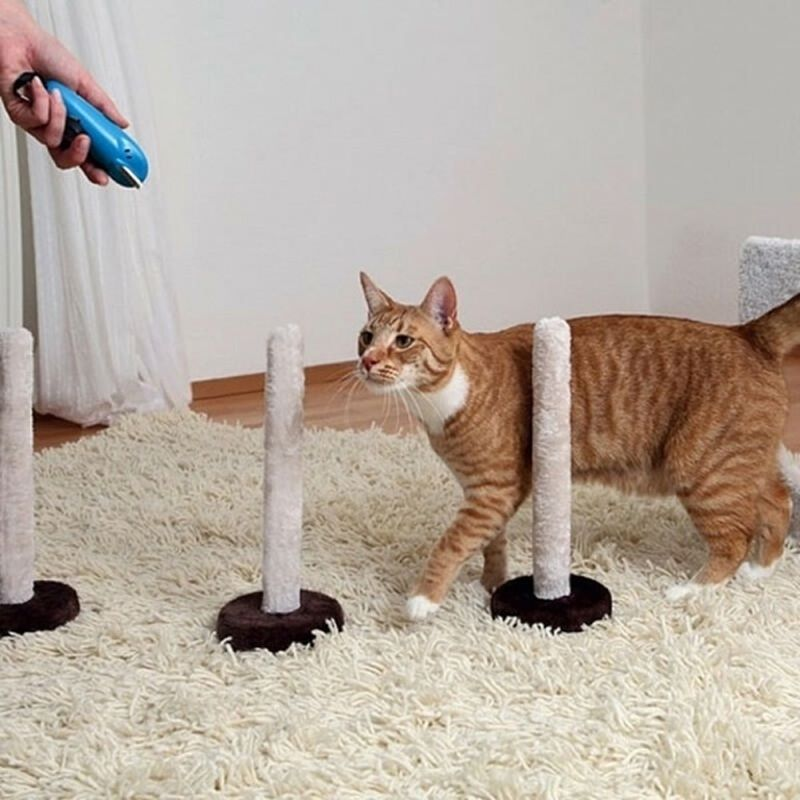
With doggies you can start with basic cues as early as 7 weeks old: Say a cue such as “sit” once. Use a treat to position your dog into a sitting position. Once sitting, give your puppy the treat and some praise. 4.5 months is perfect to start training your cat! Any younger and they’ll be too ditzy and distracted. There is no maximum training age. It depends on personality as well if they’re willing to do what you want for a treat, and also how smart they are.

The fact is that the majority of domestic dogs and cats have had no formal training – positive or otherwise. Since dogs are now sharing our homes and our lives in ever closer ways, it is more important than ever that every dog be given a good canine education. Doing so will prevent thousands of dogs from being surrendered to shelters due to behavioural issues that could have been prevented. Investing the time to teach your dog will make living with her easier and that investment could also save her life.

Benefits:

1. Obedience classes will help your pet learn how to properly interact with other animals. It’s important for pets to learn how to socialize because it can help reduce stress levels and make them more comfortable in new situations.

2. You want your pet to be a loving and cherished member of your family. Dogs that are obedient and have manners have a stronger bond with their owners. Dog training can also help prevent behavioural problems, such as separation anxiety.

3. A well-trained pet is less likely to run into the street or get into fights with other animals. They are also more likely to come when called, making it easier to keep them safe when you are out and about. Dog training will also work on name recognition.

4. Your pet will need to go to the veterinarian for check-ups and vaccinations throughout its life. If your pet is used to being handled and examined, it will be less likely to stress out or try to run away during these appointments. This makes it safer for both your pet and the veterinary staff.

5. These days there are wonderful training items to make training a dream. Visit any Pet & Pool store and stock up on these tools to help you train your pet successfully. Do not forget the treats!

Even bunnies, have also proven to be trainable! You can start litter training your rabbits as early as you like but you can litter train a rabbit at any age. In fact, it has been suggested that older rabbits can be simpler to train than babies as they are more developed and find learning easier.

Sources: wintermerepointevet.com/positivity.com

Posted on — Leave a comment

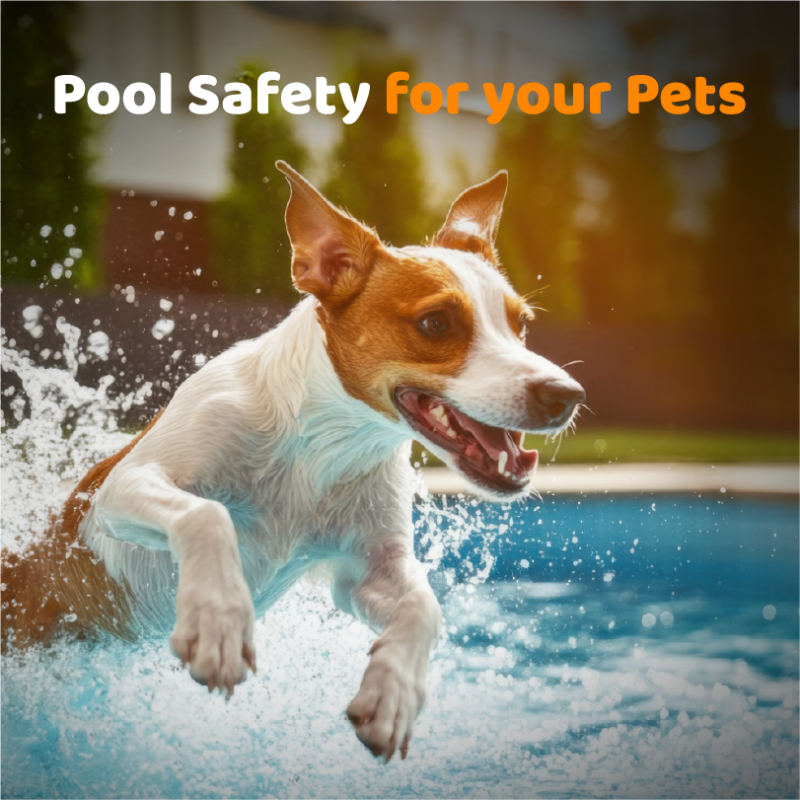
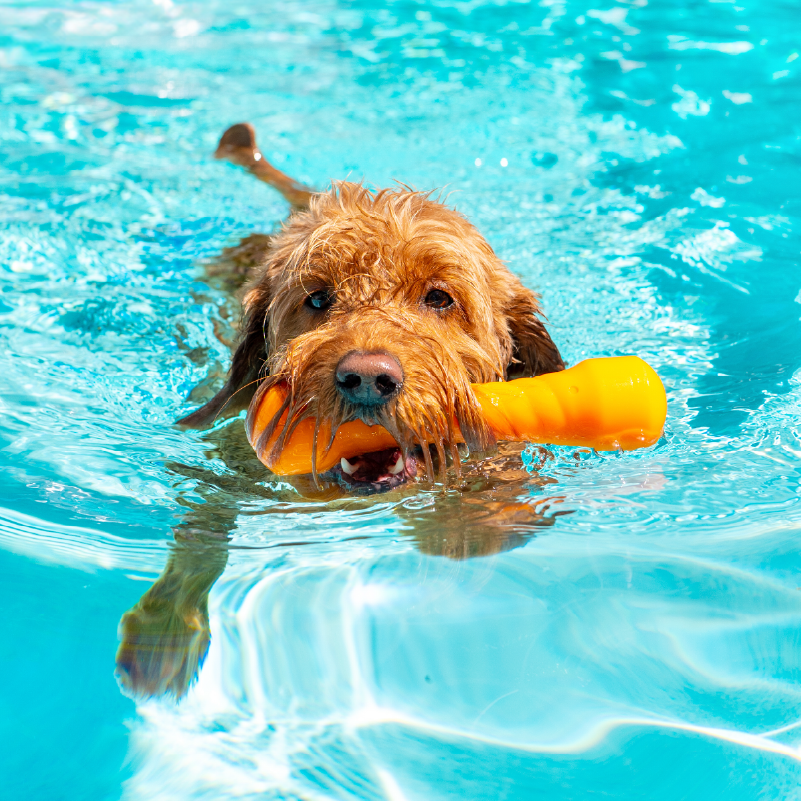
Swimming Pools: Tips to Keep Your Pets Safe

Supervision Is Essential

Never leave your pets unattended near a swimming pool. Even natural swimmers can get tired, disoriented, or face difficulties exiting the pool. Supervision ensures you can respond quickly if they need assistance.

Install Safety Features

Avoid relying on pool covers, as they can collapse under your pet’s weight, trapping them underwater. To prevent accidents, consider:

  • Pool fences: A high perimeter barrier keeps unsupervised pets and children out of the pool.
  • Pool alarms: Alerts you if something, or someone, enters the pool unexpectedly.
  • Ramps and steps: Provide safe, easy access for pets to exit the water.

Train Your Pet to Swim

Not all dogs are natural swimmers, and some breeds may struggle due to their body shape. Help your dog build confidence in the water with these steps:

  1. Start in shallow water and encourage them with praise and treats.
  2. Use a life jacket to provide buoyancy during training and swimming.
  3. Practice entering and exiting the pool safely.
  1. If possible, let them swim with another dog that’s already comfortable in the water.

Monitor Pool Time

Dogs may not recognise when they’re getting too tired, increasing the risk of accidents. Watch for signs of fatigue, such as their back end sinking while swimming. Provide breaks and keep fresh water nearby to prevent dehydration and discourage them from drinking pool water, which can cause stomach issues.

Post-Swim Care

Prolonged exposure to chlorine or salt water can irritate your pet’s skin, coat, and ears. After swimming:

  • Rinse their coat with fresh water and apply pet conditioner if needed.
  • Dry their ears thoroughly to prevent infections, especially for dogs with floppy ears.
  • Check their paws for irritation and use a balm to soothe any dryness.

Plan for Holidays and Vacations

If you’re travelling or leaving your pets in someone else’s care, ensure they’re familiar with your pool safety rules. Provide clear instructions to pet sitters or house sitters about supervision, safety features, and emergency contacts.

A Safe Summer for All

Even with precautions, accidents can happen. A comprehensive pet insurance policy can help cover unexpected vet bills if your pet is injured. As a PET Pool & Home member, you can make every splash worry-free with a 10% LIFETIME DISCOUNT*. Protect your pet with SA’s best Pet Insurance** – dotsure.co.za!

*T&Cs and possible exclusions may apply and can be obtained by emailing u2us@dotsure.co.za. **Voted South Africa’s Best Pet Insurance 2023/2024 by The Star, Die Burger, Beeld, and City Press.

Dotsure Limited (Registration number 2006/000723/06) is a licensed non-life insurer and authorised financial services provider (FSP39925).

Posted on — Leave a comment

Best of Garden Route Reader’s Choice Awards… We won!

And the winners are…

Best Pet Store in Knysna & Plett

Best Pet AND Pool Store in George

Best Pet Store in Mossel Bay

What an achievement!

PET Pool & Home Knysna

Knysna opened its doors in December 2005 and was first known as Pool & Leisure. In 2011 it had to move to a new, bigger site and rebranded as Pet & Pool Warehouse. The branch played a pivotal role during the fires of 2017. They just started a revamp when the fires broke out. Many animals found refuge inside the branch and were cared for by the staff and our loyal suppliers. Knysna is very actively involved in the community and is committed in delivering excellent service and building strong customer relationships. Congratulations to the team in Knysna, for winning the title of Best Pet Store in Knysna & Plett.

PET Pool & Home George

As one of the biggest branches in the group, the George branch has redefined selection, service, and performance in the Garden Route. It opened its doors in May 2014 as a Pet & Pool Warehouse and was rebranded to PET Pool & Home in 2020. Since the initial opening, the branch has only gone from strength to strength. It is now one of the strongest contenders in the Garden Route when it comes to pet, pool, and home products. George is also very active in the community and regularly goes the extra mile. Well done to the team for winning the Best Pet AND Pool Store in George.

PET Pool & Home Mossel Bay

The Mossel Bay branch has proved from the beginning, in late 2019, that they are a force to be reckoned with in town. As the first PET Pool & Home branch in the group, they offered a unique selection of pet, pool and home products. Soon the branch was able to truly compete with its competitors. The branch is one of the group’s best contributors in assisting by raising funds for animal welfare organisations, schools, and community projects.  What an achievement to have won the Best Pet Store in Mossel Bay! Congratulations to the team!  

Thank YOU, Garden Route!

Posted on — Leave a comment

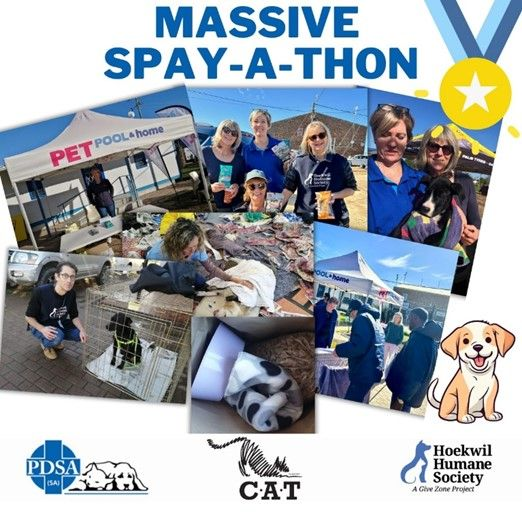
Spay-a-thon: Thank you!

One of the biggest challenges, apart from funds, was the transporting of the animals to and from the venue. GRSPCA, CAT and the HHS, offered their assistance in transporting these animals to and from the Touwsranten Communit Hall, to help community members who had no means of transport for their animals. These capable teams also made sure that the animals were fed and hydrated after surgery and their calming presence helped the animals to stay relatively stress free. Each animal also needed a blanket, a food bowl, and a small bag of food to take home with them.

According to Lauren Pelser, co-founder of the HHS, they initially planned sterilized 56 dogs and 50 cats. Due to the donations received through this initiative, they have been able to assist a further 39 animals at the PDSA clinic and are set to sterilize an additional 26 animals that have registered already, which will bring the total number of animals sterilized through this initiative, to 171! Because the need is so big, they are gearing up to do another Spay-a-thon in October this year!

Pet & Pool was excited to get involved as we also believe that proactive sterilisation is the only way to tackle this increasing problem of over-breeding.  We know that spaying and neutering pets can increase their lifespan, decrease serious health issues, make them more manageable, and reduce the incidence of canine and feline overpopulation as well as homelessness. Spaying and neutering should be a requirement for responsible pet ownership. Keeping this in mind, the event was also an ideal platform to educate community members on responsible pet ownership. Various animal organisations helped to educate members of the community, including children, more on the benefits of spaying and neutering.

Pet & Pool donated R20 000 towards this event, made possible by our Community Outreach Fund (Garden Route). All our Garden Route branches sold tickets as well, donating another fantastic R14 890 to this cause, with the help of our wonderful and loyal customers!  One of our suppliers also donated 100 feeding and drinking bowls that were used to offer food and water from, after the animals came out of surgery.

Did you know?

The breed and general health of your pet will determine when it should be sterilised. Owned cats should sterilise before they are 5 months old as they can become pregnant as early as four months. Owned female dogs should be spayed before they are 5 months old. Male dogs of all breeds, small, medium, and large, should be neutered before they turn five months old. Owned giant breed male dogs who are house pets should be neutered after growth stops, between 12 to 15 months of age due to orthopaedic issues.

The PDSA will gladly provide you with more information if you have any questions about sterilisation and neutering. Contact them at:

Email:  pdsagrj@mweb.co.za, Website:  www.pdsa.org.za, Tel:  044 8758300

For more news on the event, click on the links below:  

https://www.georgeherald.com/News/Article/Local-News/thousands-of-dogs-saved-at-successful-touwsranten-spayathon-202406120417

https://www.facebook.com/Hoekwil.Humane.Society

Posted on — Leave a comment

Melkbosstrand is OPEN!

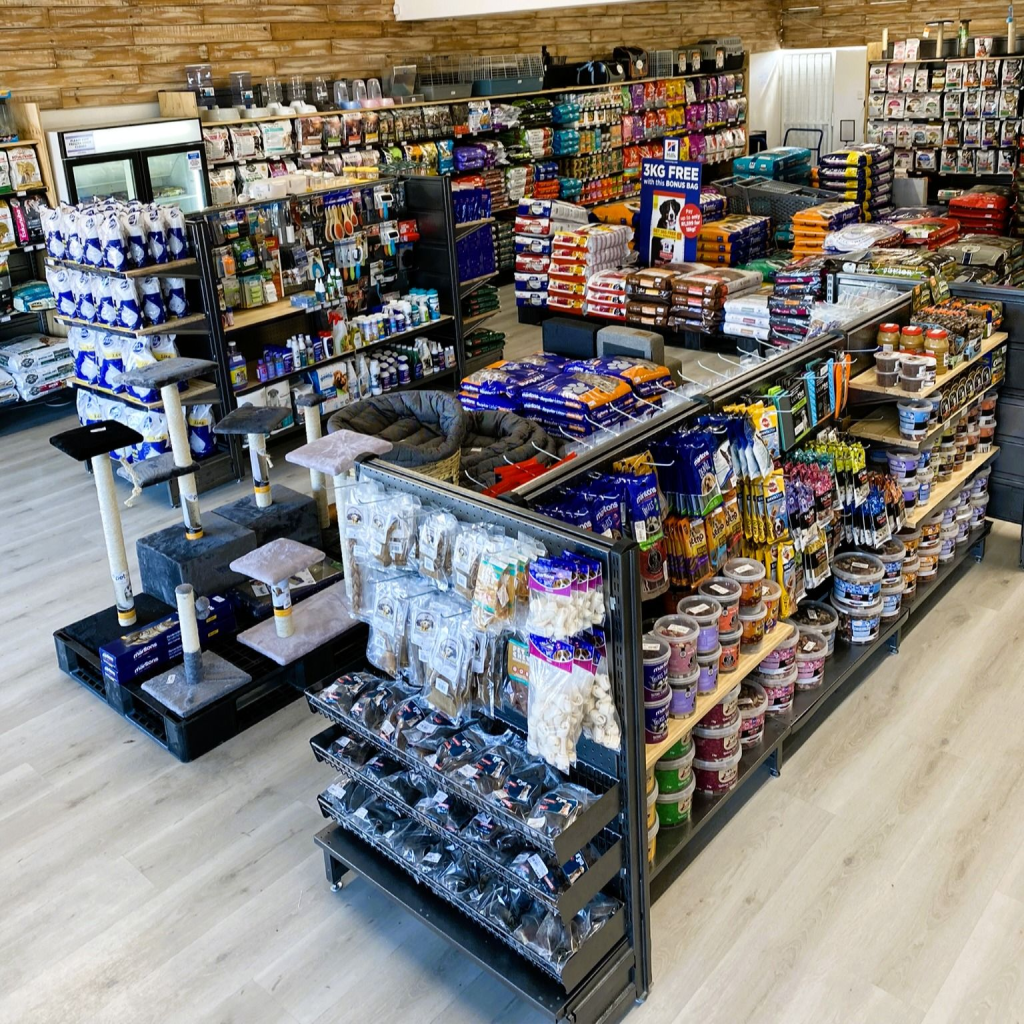
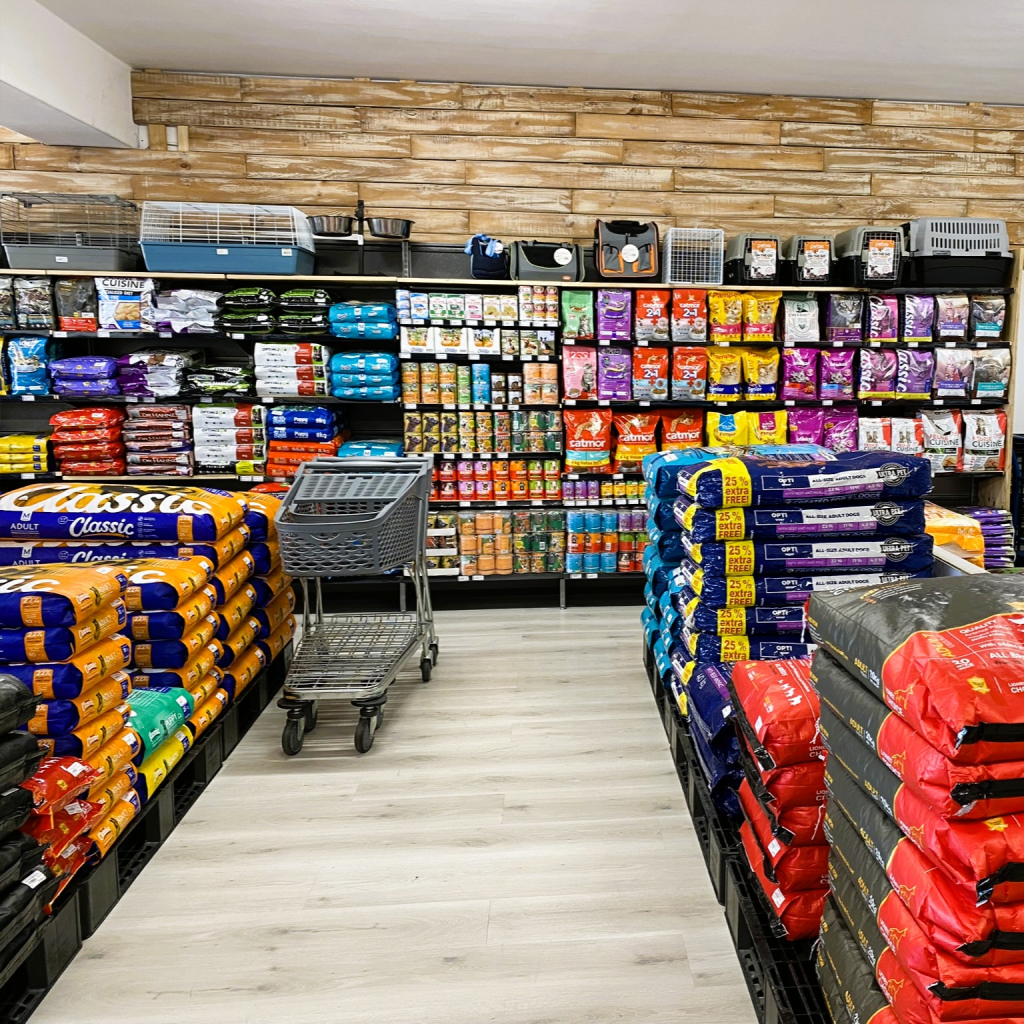
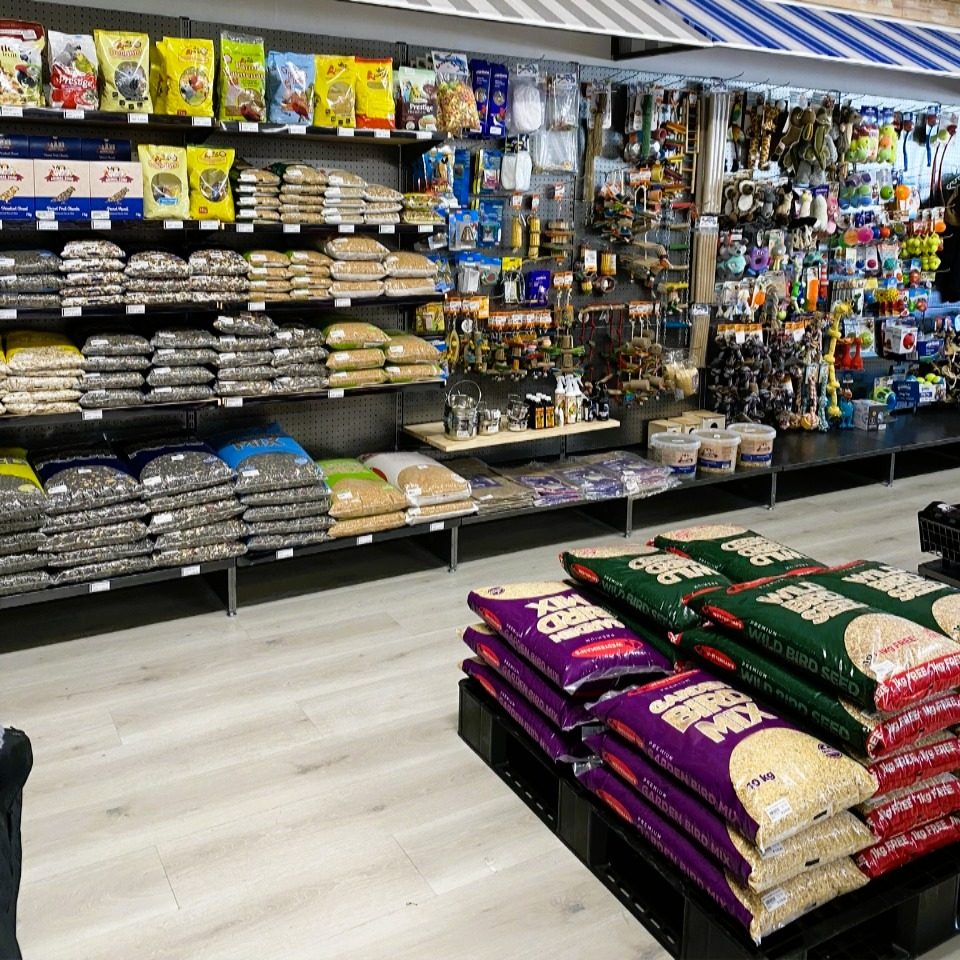
Our first ever standalone pet store, opened in March 2024. PETPride, a charming addition to our group of stores, offers everything for the discerning pet owner. From economy to premium pet food, medicines, toys, bowls and other accessories, you can be sure that will try and cater for every pet need. Our categories include cat, dog, small mammals, bird and even a small selection of reptile products. If you cannot find what you are looking for, we will gladly help you in acquiring the item you need. Our friendly service is for free, and of course we cannot wait to see you at the store!

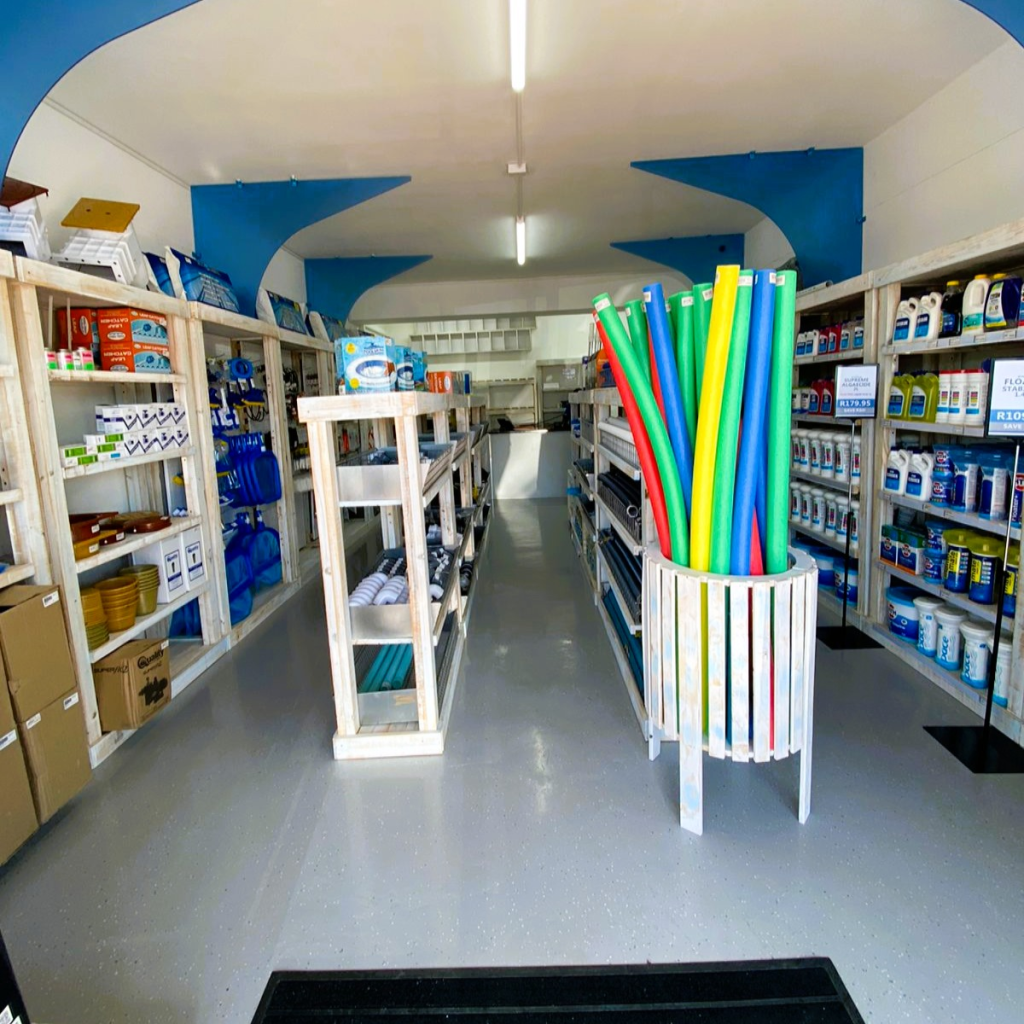
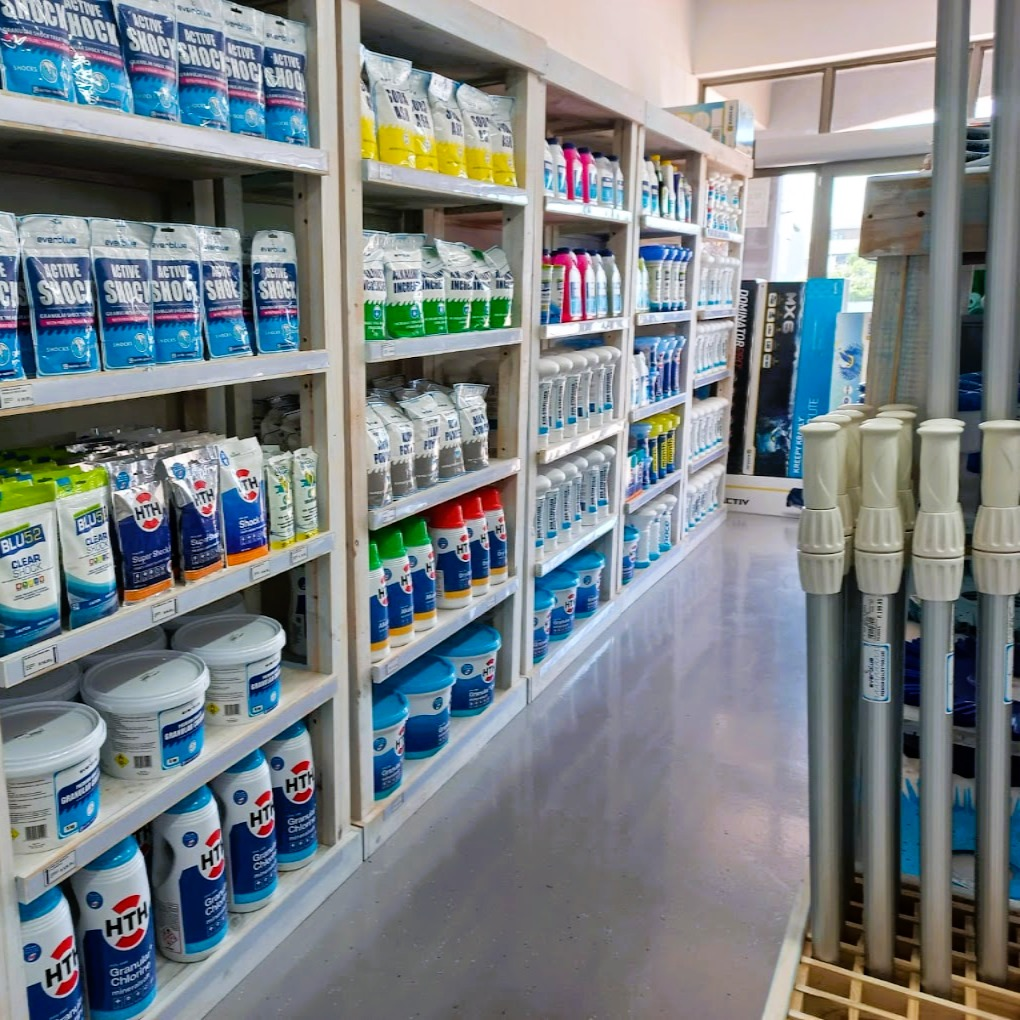
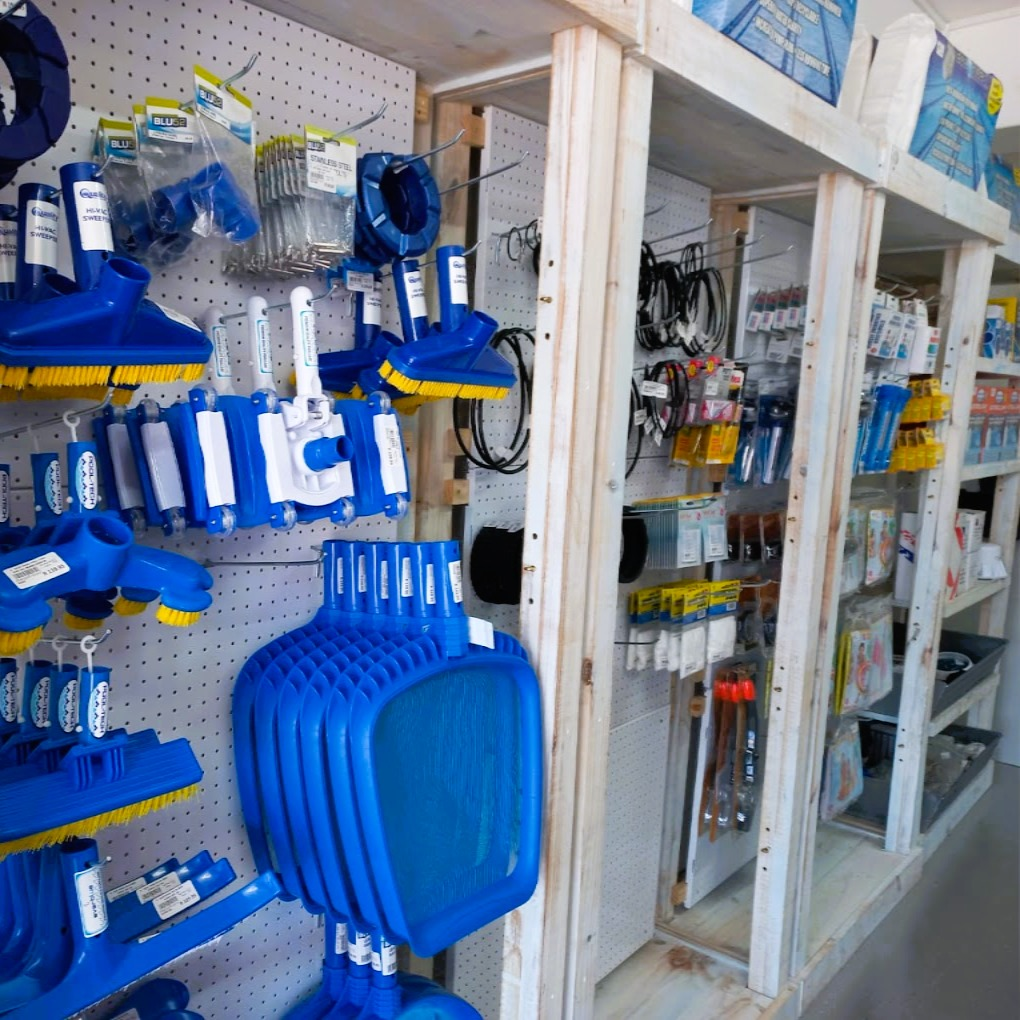
Just one store away from PETPride – our first ever standalone pool store opened! At our Blu-Link Pools store, we stock chemicals, pumps and filters, accessories and parts, to pool cleaners and even some toys. We also offer great service, repair options and we give good advice too! If you are a pool contractor, you are also very welcome! Again, please speak to one of our friendly staff members if you cannot find what you are looking for; we will gladly help you in acquiring the item you need.