
Posted on — Leave a comment

Summer Sorted: Cooler Shopping, Sparkling Pools & Braai-Ready Days!

Summer is also the season of sparkling pools, happy pets, and braais that start with “just the family” and somehow end with half the neighbourhood holding paper plates!

So, get your pool swim-ready, check that the water is more “tropical resort” than “mysterious farm dam,” and remember to make sure the braai area is ready for chops, wors, salads, and at least one person giving strong opinions about how to turn the meat…

We hope that these adjusted trading times will help our customers to shop when it suits them best, whether they are collecting pool chemicals before the first cannonball, pet treats for backyard playtime, or the last-minute braai essentials nobody remembered until the fire was already lit. For store addresses and contact details, please visit us here: Store Locator | PET Pool & Home.

PET Pool & Fire Knysna

OpenClose
Monday – Friday08:0018:00
Saturday & PH08:0015:00
Sunday09:0013:00
   

PET Pool & Home Sedgefield

OpenClose
Monday – Friday08:0017:30
Saturday & PH08:0014:30
Sunday09:0013:00
   

PET Pool & Fire Boksburg

OpenClose
Monday – Friday08:0018:00
Saturday & PH08:0016:00
Sunday08:0014:00
   

PET Pool & Home Waterfall KZN

OpenClose
Monday – Friday08:0018:00
Saturday & PH08:0016:00
Sunday08:0014:00
   

Pet & Pool Warehouse Witbank

OpenClose
Monday – Friday08:0018:00
Saturday & PH08:0016:00
Sunday08:0014:00
   

PET Pool & Home Mossel Bay

OpenClose
Monday – Friday08:0018:00
Saturday & PH08:0015:00
Sunday09:0013:00
   

PET Pool & Home George

OpenClose
Monday – Friday08:0018:00
Saturday & PH08:0015:00
Sunday09:0013:00
   

PET Pool & Home Plettenberg Bay

OpenClose
Monday – Friday08:0017:30
Saturday & PH08:0014:30
Sunday09:0013:00
   

Pet & Pool Warehouse Middelburg

OpenClose
Monday – Friday08:0018:00
Saturday & PH08:0016:00
Sunday08:0014:00
   

PET Pool & Fire York street, George

OpenClose
Monday – Friday08:0017:30
Saturday & PH08:0014:30
Sunday09:0013:00
   

PET Pool & Home Paarl

OpenClose
Monday – Friday08:0018:00
Saturday & PH08:0016:00
Sunday08:0014:00
   

Pet Pride & BluLink Pools Melkbosstrand

OpenClose
Monday – Friday08:3017:30
Saturday & PH08:3014:00
Sunday10:0014:00
   

PET Pool & Home Hermanus

OpenClose
Monday – Friday08:0018:00
Saturday & PH08:0016:00
Sunday08:0014:00
   

PET Pool & Fire Malmesbury

OpenClose
Monday – Friday08:0018:00
Saturday & PH08:0015:00
Sunday09:0013:00
   

PET Pool & Fire Gqeberha

OpenClose
Monday – Friday08:0018:00
Saturday & PH08:0015:00
Sunday09:0013:00
   

PET Pool & Home Riversdale

OpenClose
Monday – Friday08:0017:30
Saturday & PH08:0014:30
Sunday09:0013:00
   

PET Pool & Fire Jeffreys Bay

OpenClose
Monday – Friday08:0018:00
Saturday & PH08:0016:00
Sunday08:0014:00
Posted on — Leave a comment

Winter isn’t parasite-free: protect your pets from ticks & fleas all year round

South African winters aren’t cold enough to stop parasites

Unlike regions that experience freezing temperatures, much of South Africa has moderate winters, especially in provinces like Gauteng, KwaZulu-Natal, Limpopo and Mpumalanga. Even in areas here the temperature can drop quite significantly, conditions in-house can be warm enough for parasites to keep being a problem. These conditions allow ticks and fleas to survive and remain active year-round.

  • Fleas can continue their life cycle indoors, even if it’s cold outside
  • Ticks often remain dormant in grass or soil, becoming active on warmer winter days
  • Heated homes create ideal breeding conditions for parasites

Bottom line: Winter slows parasites—it doesn’t eliminate them.

Indoor infestations increase in winter

During winter, pets spend more time indoors—and so do parasites.

Fleas in particular thrive in warm indoor environments such as:

  • Carpets
  • Pet bedding
  • Upholstered furniture
  • Cracks in flooring or walls

Once inside your home, fleas can reproduce rapidly. A single flea can lay dozens of eggs per day, leading to a full-blown infestation before you realise it.

Fleas and ticks still pose serious health risks

Even in winter, these parasites can cause significant health problems:

Fleas:

  • Skin irritation and persistent scratching
  • Flea allergy dermatitis
  • Tapeworm transmission
  • Anaemia (especially in puppies and kittens)

Ticks:

  • Tick bite fever (common in South Africa)
  • Blood loss
  • Secondary infections
  • Transmission of dangerous diseases

Skipping winter treatments can leave your pet exposed when their immune system may already be under seasonal stress.

Prevention is easier (and cheaper) than treatment

Treating an established infestation is always more difficult and expensive than preventing one.

If you stop treatments in winter:

  • Flea eggs and larvae can build up unnoticed
  • You may face a severe outbreak in spring
  • You’ll need home treatments, vet visits, and repeated cleaning

Maintaining a consistent, year-round prevention routine keeps parasite populations under control.

Body applications: keep protection consistent

Your pet’s body is the first line of defence.

Recommended practices:

  • Use vet-approved spot-on treatments, oral medications, or collars consistently—even in winter
  • Follow the dosage schedule (usually monthly or as directed)
  • Don’t skip months—even one gap can allow reinfestation
  • Ensure full application directly onto the skin (for spot-ons)

Tips for winter:

  • Apply treatments when your pet is dry (avoid bathing immediately before or after)
  • Brush your pet regularly to check for ticks, especially after outdoor walks
  • Pay attention to warm hiding spots on the body—ears, under collars, between toes

Bedding and home applications: don’t ignore the environment

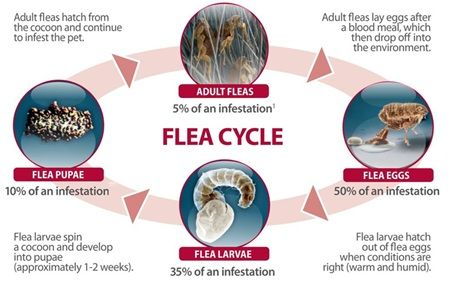
Treating your pet alone is not enough. In fact, only about 5% of fleas live on your pet—the rest exist in the environment (eggs, larvae, pupae).

Bedding care:

  • Wash pet bedding weekly in hot water
  • Use pet-safe disinfectants or flea-control additives
  • Dry bedding thoroughly in sunlight where possible

Home treatment:

  • Vacuum carpets, rugs, and furniture regularly
  • Dispose of vacuum contents immediately
  • Consider indoor flea sprays or foggers if needed
  • Pay attention to areas where your pet sleeps or rests

Outdoor spaces:

  • Keep grass short
  • Remove leaf litter and debris
  • Treat kennels and shaded areas where ticks may hide

Quality products make all the difference

Using reliable, vet-approved products ensures effective protection for your pet and home. Pet & Pool carries a wide variety of tick & flea medications and applications, making it easy for pet owners to find the right solution—whether it’s body treatments like spot-ons and collars, or environmental products for bedding and home use. For our product selections, please see our Online Shop under Wellness & Medication in our different departments (please note that some medications can be used for dogs, cats and small mammals. Always be sure to read the packaging  instructions for accurate usage.

Having access to a broad range of trusted options allows you to tailor your parasite control approach to your pet’s specific needs.

Winter is the perfect time to stay ahead

Rather than pausing prevention, winter should be seen as a maintenance season—a time to keep parasite levels low so they don’t explode in warmer months.

By staying consistent now, you:

  • Protect your pet year-round
  • Avoid costly infestations later
  • Maintain a clean, comfortable home environment

Final thoughts

Ticks and fleas don’t take a winter holiday in South Africa. While their activity may decrease, the risk remains—especially indoors. Consistent use of parasite prevention, combined with proper bedding and environmental care, ensures your pet stays healthy and your home remains pest-free.

Year-round protection isn’t just recommended—it’s essential.

For addition reading and some interesting facts, please click on the links below:

Posted on — Leave a comment

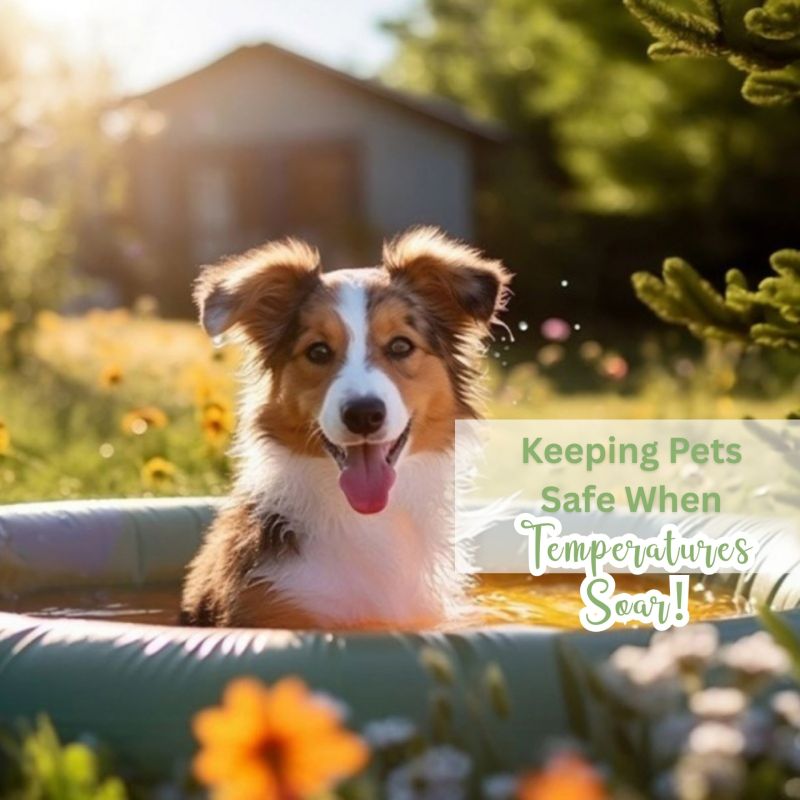
Pets in a heat wave – what to do?

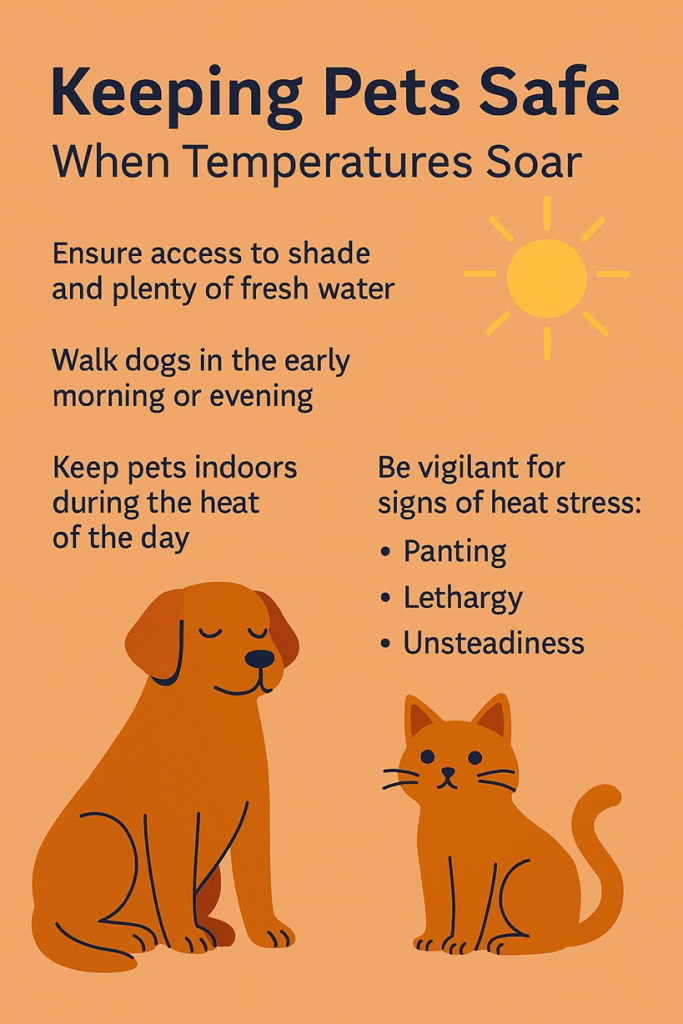
Provide Continuous Fresh, Cool Water

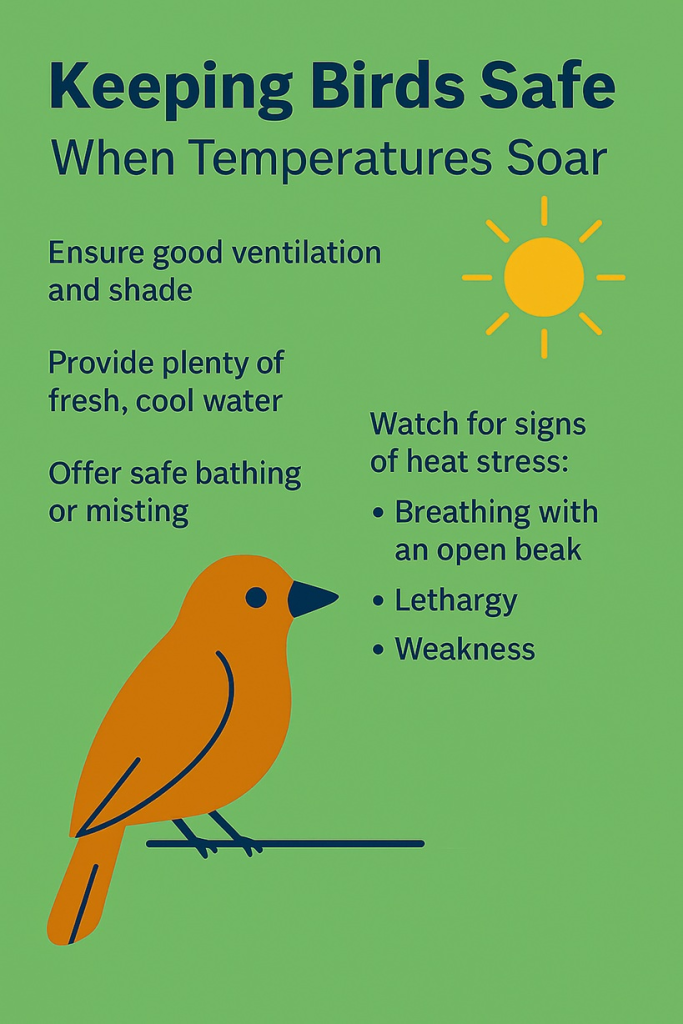
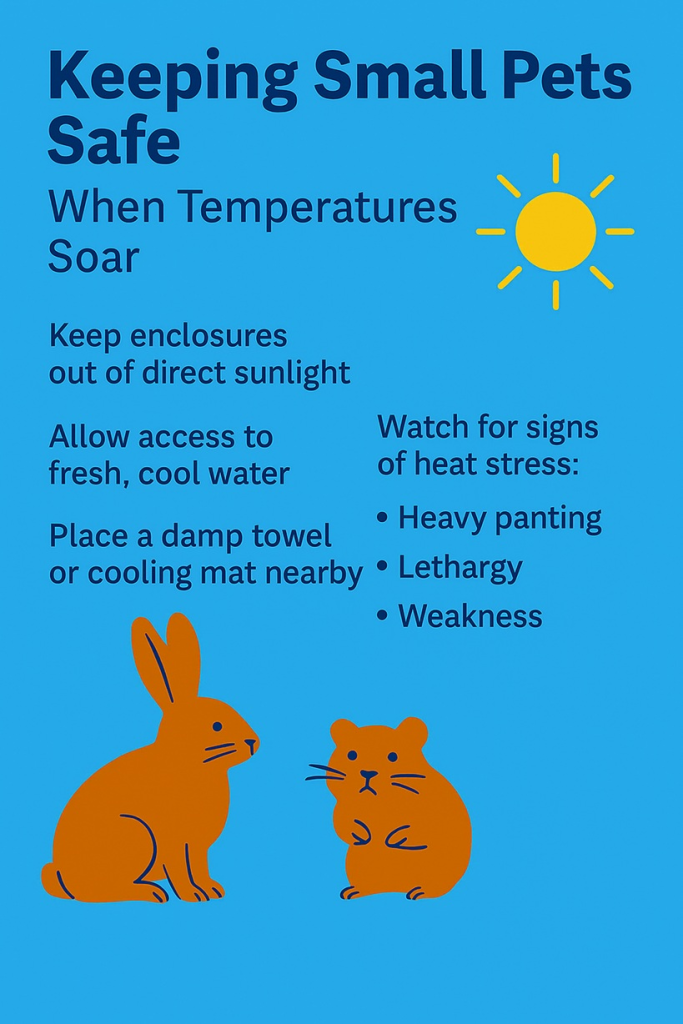
Hydration is the first line of defense. Ensure that all pets have constant access to clean, cool water. For dogs and cats, keep multiple water bowls in shaded areas and top them up regularly. Add ice blocks throughout the day to help the water stay cooler for longer. For birds and small mammals, ensure their water dispensers are functioning properly and not warmed by direct sunlight. Misting spray bottles can also help parrots and certain birds cool off, while rabbits appreciate a frozen water bottle placed next to them to lie against.

Create Shaded, Well‑Ventilated Spaces

Shade alone isn’t enough—proper airflow is essential. Bring outdoor pets inside during peak heat (usually between 11:00 and 16:00). For dogs and cats that must remain outdoors, ensure they have deep shade, such as a patio, trees, or UV-resistant outdoor fabric. Birds should never be left in direct sunlight; move cages indoors or under ventilated shade. Small mammals in hutches must be relocated to cooler indoor environments, as enclosed wooden structures trap heat extremely quickly.

Limit Outdoor Activity

Exercise should be reduced to early mornings and late evenings, when temperatures are lower. Asphalt and paved surfaces can burn paws, so always test with your hand: if it’s too hot for you to touch comfortably, it’s too hot for your pet to walk on. Cats typically self-regulate their activity, but try to keep them indoors during extreme heat.

Use Cooling Aids

Simple cooling tools can make a big difference. Damp towels, cooling mats, fans, or even a shallow kiddie pool for dogs can help them lower body temperature. Long-haired breeds may benefit from a summer trim—but avoid shaving cats or dogs completely, as some fur provides sun protection. Birds enjoy mist baths, while rodents and rabbits benefit from ceramic tiles placed in their enclosure for cool resting spots.

Avoid Hot Cars at All Costs

Even on mild days, temperatures inside a parked car can rise dangerously within minutes. During a heat wave, it becomes deadly even faster. Never leave any pet in a parked car, not even for a moment.

Recognise Signs of Heat Stress

Look out for excessive panting, drooling, lethargy, vomiting, rapid breathing, or disorientation. Birds may hold their wings away from the body and breathe with an open beak. Small mammals may lie sprawled and unusually still. If you notice these signs, start cooling your pet immediately and contact a veterinarian.

Posted on — Leave a comment

PETnext™ – Subscibe today & SAVE!

Why Pet Next™?

Because Pet & Pool understands how much your pets mean to you. We believe the bond we share with our companion animals has never been more important. That’s why we’ve committed to driving positive change in South Africa through innovation and community‑driven solutions. Partnering with trusted companies who share our vision, we’re proud to bring you South Africa’s very first Pet Insurance and Nutrition Subsidy Program -making it simpler, more affordable, and more rewarding to care for your pets. Pet ownership in South Africa is under pressure. Rising costs, housing restrictions, and shelter overpopulation mean many families struggle to keep pets healthy and protected. Discounted food alone isn’t enough – owners need real support.

That’s where PETnext™ comes in.

How It Works

•     Subscribe once, save everywhere: With PETnext™, you’ll save on everyday essentials like premium pet food, pool chemicals, and household cleaning products.

•     Build up savings: Every month, your subscription builds a “savings wallet.”

•     Join a pet insurance: Those savings can be used to reduce the cost of pet insurance.

•     Immediate discount!

Why It Matters

•     Protection + Nutrition: Insurance keeps pets safe when unexpected vet bills arise, while premium food keeps them healthy every day.

•     Community impact: Your subscription helps strengthen local veterinarians, shelters, and adoption centres. Together, we’re building a more supportive environment for pets and owners.

•     Affordable care: By combining household savings with pet insurance discounts, PETnext™ makes responsible ownership easier for everyone.

Our Promise

At Pet, Pool & Home, we stand with pets, owners, and communities. PETnext™ is more than a subscription — it’s a commitment to:

•     Protecting pets with affordable insurance.

•     Nourishing them with quality food.

•     Supporting shelters and veterinarians in our communities.

Join Today!

Signing up for PETnext™ means you’re not just saving money – you’re investing in your pet’s health, your household, and a stronger community.

Protect their health. Nourish their lives. Join PETnext™ today.

Getting started with PETnext™ is simple.

We offer two PETnext™ subscription options:

1. PET INSURANCE 

  • First, choose the insurance plan that suits your needs – this becomes your personal savings target. 
  • Next, design your subscription by selecting household essentials such as pet food, pool chemicals, or cleaning products. The profit margin from these purchases is sent directly into your PETnext™ wallet, which helps reduce the cost of your insurance savings target.
  • Finally, confirm and subscribe. 

Each month, the balance in your wallet is paid directly into your bank account, making it easier than ever to protect your pets while saving on everyday essentials!

2. PREMIUM PET NUTRITION

  • Start by choosing the products you’d like us to subsidise – this becomes your personal savings target.
  • Then, design your subscription by selecting household essentials such as pet food, pool chemicals, or cleaning products. The profit margin from these purchases is sent directly into your PETnext™ wallet, which lowers the price of your savings target.
  • Finally, subscribe and enjoy your subsidised savings. Each subscription is valid for 90 days and can be renewed, giving you ongoing access to affordable essentials and meaningful savings.

Sign up at https://petnext.co.za/.

Have more questions? Visit your closest branch (https://www.petandpool.co.za/store-locator) or send us a mail at support@petandpool.co.za.

Posted on — Leave a comment

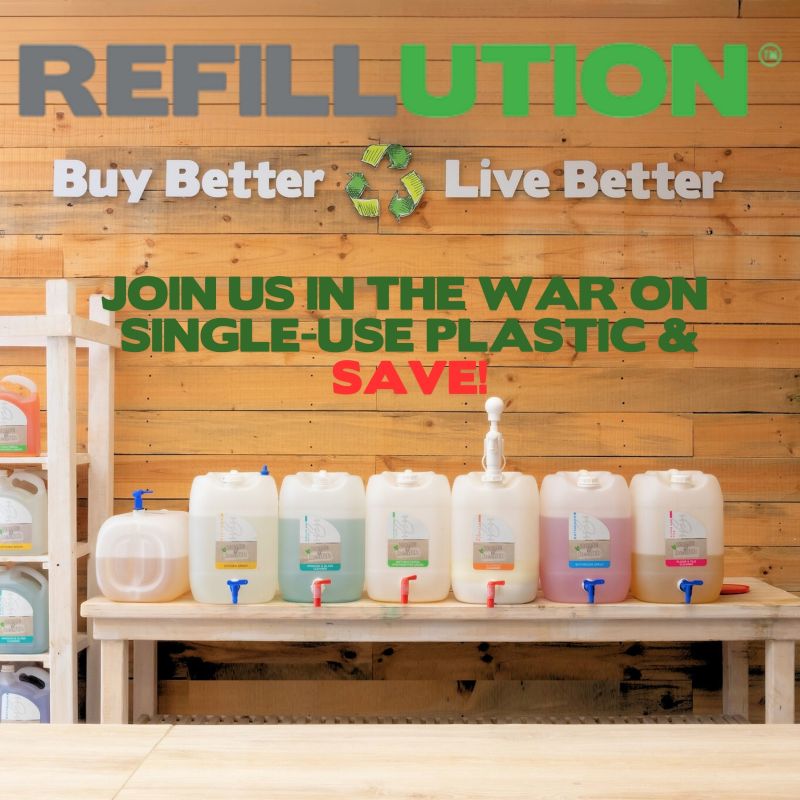
Join the REFILLUTION™!

South Africa faces a mounting plastic waste problem. Globally, plastic production has skyrocketed from 2 million tonnes in 1950 to 475 million tonnes in 2022, and locally, plastic pollution is expected to nearly double by 2040 compared to 2020 levels if urgent action is not taken. While plastics support thousands of jobs in the recycling and informal collection sector, the sheer volume of single-use packaging continues to choke rivers, pollute oceans, and infiltrate food chains.

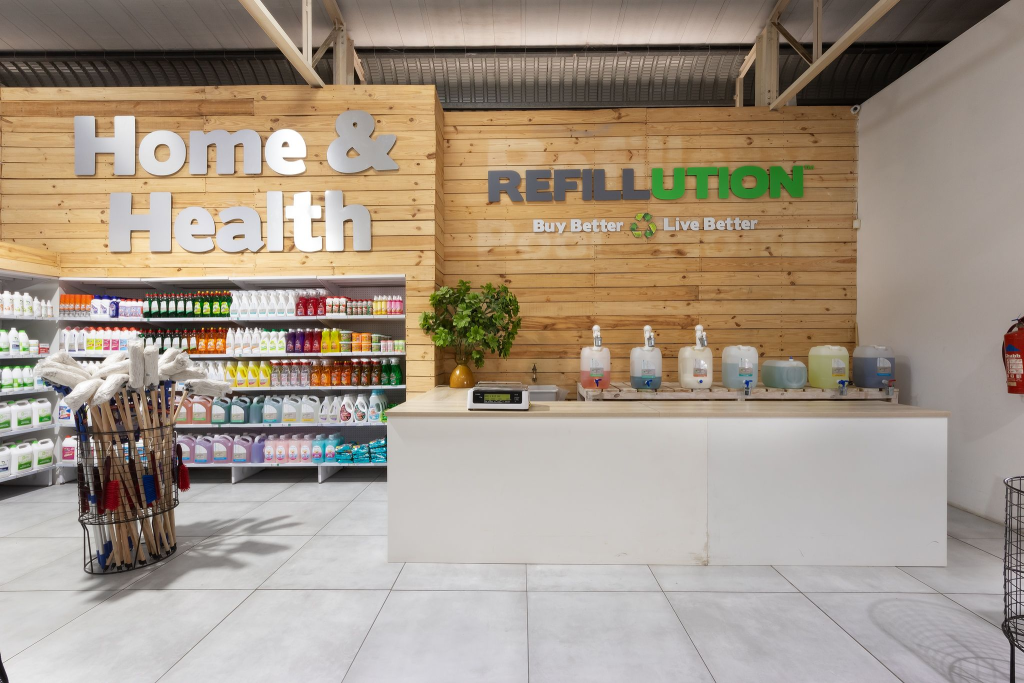
Pet & Pool is stepping up with a practical, consumer-friendly initiative: refill stations for everyday household products. Customers pay once for a sturdy, reusable bottle, then bring it back to refill at a fraction of the cost. This simple model reduces plastic waste, lowers household expenses, and encourages sustainable shopping habits.

Products Available for Refill

Pet & Pool’s refill program covers a wide range of household essentials. Initially, you buy the packaging with product of your choice, thereafter you bring in the empty container and only pay for the product. The range includes:

•        Household chemicals: Cleaning agents and detergents, packaged in refillable bottles to replace disposable plastic containers. Available in all branches.

•        Cat litter: Both silica-based and gravel options, available in bulk refill stations. Available in all branches.

•        Braai briquettes & firelighters : A South African staple, now offered in refillable packaging to cut down on plastic bags. Available in all our Fire stores: https://www.petandpool.co.za/store-locator (only braai briquettes available in Waterfall KZN).

•        Pool chlorine: Essential for pool maintenance. Available in all branches.

By diversifying refill options, Pet & Pool ensures that sustainability extends beyond niche eco-products into everyday household needs.

By refilling your products with Pet & Pool, you can save up to 47% on these products and reduce single-use plastic.

Why Refill Matters

•        Cost savings: Customers pay less per refill compared to buying new packaging.

•        Waste reduction: Each refill prevents another single-use plastic bottle or bag from entering the waste stream.

•        Circular economy: Refill systems keep packaging in use longer, reducing demand for virgin plastic production.

•        Community impact: With 17 branches across South Africa, Pet & Pool’s initiative has the potential to make a measurable difference in local waste reduction.

Plastic Waste in South Africa: The Bigger Picture

•        South Africa generates millions of tonnes of plastic waste annually, much of which ends up in landfills or the environment including our oceans.

•        Informal waste collectors play a critical role, with nearly 95,900 people earning livelihoods from recycling in 2023.

•        Despite these efforts, single-use plastics remain dominant, and without intervention, pollution levels will continue to rise.

Refill initiatives like Pet & Pool’s directly address this challenge by reducing the flow of disposable packaging into the system.

A Call to Action

Pet & Pool’s refill program is more than a business innovation – it’s a community-driven step toward sustainability. By making refills accessible, affordable, and practical, the company empowers South Africans to take part in reducing plastic waste. Every refill is a small act of resistance against the tide of pollution, proving that convenience and sustainability can go hand in hand.

In a country where plastic pollution threatens to double within two decades, refill stations offer a tangible solution. Pet & Pool is showing that with creativity and commitment, businesses can lead the way in building a cleaner, greener South Africa.

Posted on — Leave a comment

Festive Season Trading Hours 2025

From end November 2025 through to early January 2026, each of our stores will operate according to its own adjusted festive schedule. These hours are designed to give our teams time to recharge while still being available to serve you during the busiest shopping season of the year.

•          25 December 2025 (Christmas Day) – Closed all day

•          26 December 2025 (Day of Goodwill) – Closed all day

•          1 January 2026 (New Year’s Day) – Closed all day

On these days, our staff will be spending time with loved ones, and we encourage you to plan your shopping and service needs around these closures.

For all other dates between late November 2025 and early January 2026, please check with your nearest branch for specific opening and closing times.

Updated schedules will be displayed in-store, shared on their Google pages, and on our website under https://www.petandpool.co.za/store-locator.

You can also find it below. ✨ Thank you for your loyal support – we look forward to welcoming you this holiday season!

1.             Boksburg – Dates: 22 Nov – 28 Dec 2025


•             Mon–Fri: 08:30–17:30 – Sat: 08:30–15:00 – Sun: 09:00–14:00

•             16 Dec: 08:30–14:00

2.           Emalahleni – Dates: 22 Nov – 28 Dec 2025
•             Mon–Fri: 08:30–17:30 – Sat: 08:30–15:00 – Sun: 09:00–13:00

•             16 Dec: 08:30–14:00

3.           George – Knysna Road – Dates: 6 Dec 2025 – 10 Jan 2026

•             Mon–Fri: 08:30–17:30 – Sat: 08:30–16:00 – Sun: 09:00–14:00

•             16 Dec: 08:30–14:00

4.           George – York Street – Dates: 22 Nov – 28 Dec 2025
•             Mon–Fri: 08:30–17:30 – Sat: 08:30–15:00 – Sun: 09:00–13:00

•             16 Dec: 08:30–14:00

5.           Gqeberha – Dates: 22 Nov – 28 Dec 2025

•             Mon–Fri: 08:30–17:30 – Sat: 08:30–15:00 – Sun: 09:00–14:00

•             16 Dec: 08:30–14:00

6.           Hermanus – Dates: 22 Nov – 28 Dec 2025
•             Mon–Fri: 08:30–17:30 – Sat: 08:30–15:00 – Sun: 09:00–13:00

•             16 Dec: 08:30–14:00

7.           Jeffrey’s Bay – Dates: 13 Dec 2025 – 11 Jan 2026

•             Mon–Fri: 08:30–17:30 – Sat: 08:30–16:00 – Sun: 09:00–14:00

•             16 Dec: 08:30–16:00

8.           Knysna – Dates: 6 Dec 2025 – 10 Jan 2026

•             Mon–Fri: 08:30–17:30 – Sat: 08:30–16:00 – Sun: 09:00–13:00

•             16 Dec: 08:30–14:00

9.           Malmesbury – Dates: 22 Nov – 28 Dec 2025

•             Mon–Fri: 08:30–17:30 – Sat: 08:30–15:00 – Sun: 09:00–14:00

•             16 Dec: 08:30–14:00

10.         Melkbosstrand (Pet Pride & BluLink Pools) – Dates: 22 Nov – 28 Dec 2025

•             Mon–Fri: 08:30–17:30 – Sat: 08:30–14:00 – Sun: 09:00–13:00

•             16 Dec: 08:30–14:00

11.         Middelburg (MP) – Dates: 22 Nov – 28 Dec 2025

•             Mon–Fri: 08:30–17:30 – Sat: 08:30–15:00 – Sun: 09:00–14:00

•             16 Dec: 08:30–14:00

12.         Mossel Bay – Dates: 22 Nov – 28 Dec 2025

•             Mon–Fri: 08:30–17:30 – Sat: 08:00–15:00 – Sun: 09:00–13:00

•             16 Dec: 08:00–14:30

13.         Paarl – Dates: 22 Nov – 28 Dec 2025

•             Mon–Fri: 08:30–17:30 – Sat: 08:30–15:00 – Sun: 09:00–13:00

•             16 Dec: 08:30–14:00

14.         Plettenberg Bay – Dates: 13 Dec 2025 – 11 Jan 2026

•             Mon–Fri: 08:30–17:30 – Sat: 08:30–15:00 – Sun: 09:00–13:00

•             16 Dec: 08:30–14:00

15.         Riversdale – Dates: 22 Nov – 28 Dec 2025

•             Mon–Fri: 08:30–17:30 – Sat: 08:30–16:00 – Sun: 09:00–13:00

•             16 Dec: 08:30–14:00

16.         Sedgefield – Dates: 22 Nov – 28 Dec 2025

•             Mon–Fri: 08:30–17:30 – Sat: 08:30–15:00 – Sun: 09:00–13:00

•             16 Dec: 08:30–14:00

17.         Waterfall (KZN) – Dates: 22 Nov – 28 Dec 2025

•             Mon–Fri: 08:30–17:30 – Sat: 08:30–15:00 – Sun: 09:00–14:00

•             16 Dec: 08:30–14:00

Posted on — Leave a comment

Fireworks and the effect on Pets

How pets react to fireworks

  • Behavioural signs
    Hiding; trembling; pacing; panting; drooling; vocalizing (barking, howling, meowing); clinging to owners; restless or hypervigilant behaviour.
  • Physiological signs
    Elevated heart and respiratory rate; dilated pupils; salivation; gastrointestinal upset (vomiting, diarrhoea); incontinence.
  • Risk behaviours and injuries
    Attempting to flee (running through doors or windows); breaking out of yards; chewing through crates or doors; self-injury from frantic escape attempts.
  • Species and individual differences
    Dogs commonly show strong noise phobias. Cats may hide and become unreachable. Rabbits, birds, and small mammals can exhibit extreme stress reactions and are harder to calm because they cannot be reassured easily.

Immediate management during fireworks

  • Create a safe space
    Provide a quiet room with familiar bedding and toys; close windows, curtains, and doors to muffle sound; play low volume calming music or white noise.
  • Comfort and routine
    Offer calm, confident presence without over-reassuring (too much fuss can reinforce panic in some pets). Keep routines like feeding and short walks as normal when safe.
  • Reduce sensory exposure
    Use blackout curtains, run fans or air-conditioning, and move the pet’s bed away from windows and doors.
  • Identification and containment
    Ensure pets wear ID and are microchipped; secure fences and exits; keep cats indoors for several days if fireworks are expected.

Calming medications: benefits and common options

  • Why medications help
    Calming medications reduce the intensity of fear responses, lower physiological stress, and make behavioural training and management strategies more effective and humane.
  • Commonly used medications and classes
    • Short-acting anxiolytics (benzodiazepines): Rapid calming, useful for acute events; risk of sedation, disorientation, paradoxical excitement in some animals.
    • Serotonergic agents (e.g., trazodone): Useful for situational anxiety when given before an event; relatively safe and often paired with other drugs.
    • Alpha-2 agonists (e.g., dexmedetomidine oromucosal gel): Specifically licensed formulations exist in some markets for noise aversion; effective for acute noise events with predictable timing.
    • Gabapentin: Helpful for noise anxiety in dogs and cats, reduces arousal; often used in combination with other medications.
    • Tricyclic antidepressants/SSRIs: Best for ongoing, chronic anxiety and as part of a long-term behaviour plan; they take weeks to reach full effect.
    • Over-the-counter supplements: Pheromone diffusers, L-theanine, and certain nutraceuticals may help some pets but are usually less effective than prescription drugs.
  • Benefits summary
    Medications can: reduce panic and escape behaviours; lower heart rate and trembling; improve tolerance to environmental management; allow safe implementation of desensitization programs.

Important cautions and best practices

  • Veterinary prescription and assessment
    Always consult a veterinarian before giving any medication. The vet will assess medical history, concurrent conditions, and possible drug interactions.
  • Timing and dosing
    Some drugs must be given well before fireworks begin; others work quickly. Use the exact dose and schedule your vet recommends.
  • Combining medications and behaviour work
    Drugs work best alongside behavioural modification (desensitization and counter conditioning) and environmental management. Medication can make training possible for pets who are otherwise too distressed.
  • Side effects and monitoring
    Watch for excessive sedation, ataxia, vomiting, or paradoxical reactions. If severe adverse effects occur, contact your veterinarian or emergency clinic.
  • Not all pets are candidates
    Certain health conditions (liver, kidney, heart disease) or medications may contraindicate some calming drugs.

Practical checklist for fireworks season

  • Before fireworks season
    Schedule a vet consultation well in advance; discuss a personalised calming plan; consider trial doses to check tolerance.
  • At home during fireworks
    Prepare the safe space; have medications on hand and give them as advised; keep pets indoors and secured; use background noise and blackout measures.
  • After an event
    Allow pets to decompress in a calm environment; continue to monitor for delayed stress reactions; follow up with your vet if behaviours persist or worsen.

Conclusion

Fireworks can cause intense fear and dangerous behaviours in pets. Thoughtful environmental management and behaviour modification are first-line approaches, and calming medications are a powerful, humane adjunct when prescribed and supervised by a veterinarian. Combining medication with training and safety measures not only reduces immediate suffering but also creates opportunities for longer-term improvements in a pet’s tolerance to loud noises. If your pet shows strong stress reactions to fireworks, arrange a veterinary assessment to develop a safe, effective plan tailored to your animal.

Posted on — Leave a comment

Worms in Cats and Dogs: Treatment and Prevention

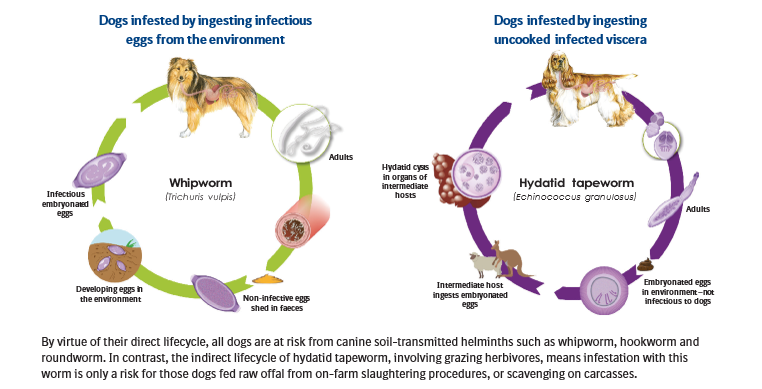
South African pets are most frequently affected by the following types of worms:

  • Roundworms (Toxocara spp.)
    Found in puppies and kittens, often transmitted from the mother via placenta or milk. These worms can cause vomiting, diarrhoea, and stunted growth.
  • Hookworms (Ancylostoma spp.)
    These blood-sucking parasites attach to the intestinal wall, causing anaemia, weakness, and skin irritation. They can also infect humans through skin contact with contaminated soil.
  • Tapeworms (Dipylidium caninum)
    Transmitted via fleas, tapeworms can grow up to 60 cm long. Pets may show signs like scooting or visible worm segments in their stool.
  • Whipworms (Trichuris vulpis)
    Less common but can cause chronic diarrhoea and weight loss in dogs.
  • Heartworms (Dirofilaria immitis)
    Rare in South Africa but potentially deadly in warmer regions. Transmitted by mosquitoes, they affect the heart and lungs.

Treatment and Medications

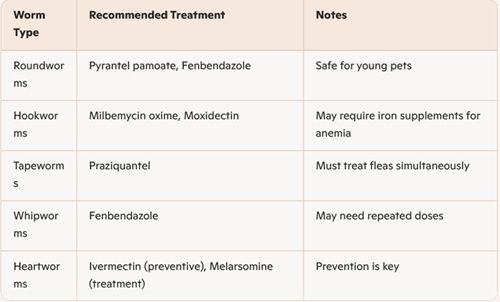
Effective treatment depends on the type of worm and the severity of the infestation. Common veterinary-recommended medications include:

Always consult your vet before administering any medication. Dosage and frequency depend on your pet’s age, weight, and health status.

Prevention: Medicine and Environmental Control

Preventing worm infestations is far easier—and safer—than treating them after the fact. Here’s how:

Regular Deworming Schedule

  • Puppies and kittens: Every 2 weeks until 12 weeks old, then monthly until 6 months.
  • Adult pets: Every 3–6 months, or more frequently if they roam, hunt, or live on farms.
  • High-risk pets: Monthly deworming may be necessary.

Environmental Hygiene

  • Clean up pet faeces daily to prevent soil contamination.
  • Treat your yard with pet-safe anti-parasitic sprays if infestations are suspected.
  • Control fleas with monthly treatments—essential for tapeworm prevention.
  • Avoid raw meat or prey animals, which may carry parasites.
  • Wash pet bedding regularly and vacuum carpets to remove eggs and larvae.

Protecting Your Family

Some worms, especially roundworms and hookworms, can infect humans – particularly children. Practicing good hygiene, wearing gloves when gardening, and keeping pets dewormed helps protect your household.

By staying vigilant with regular deworming and maintaining a clean environment, you can keep your pets healthy and your family safe. If you’re unsure about your pet’s risk level or need help choosing the right medication, your local vet is your best ally.

Sources:

Cottage Vet Clinic

Virbac South Africa

https://theveterinarian.com.au

Posted on — Leave a comment

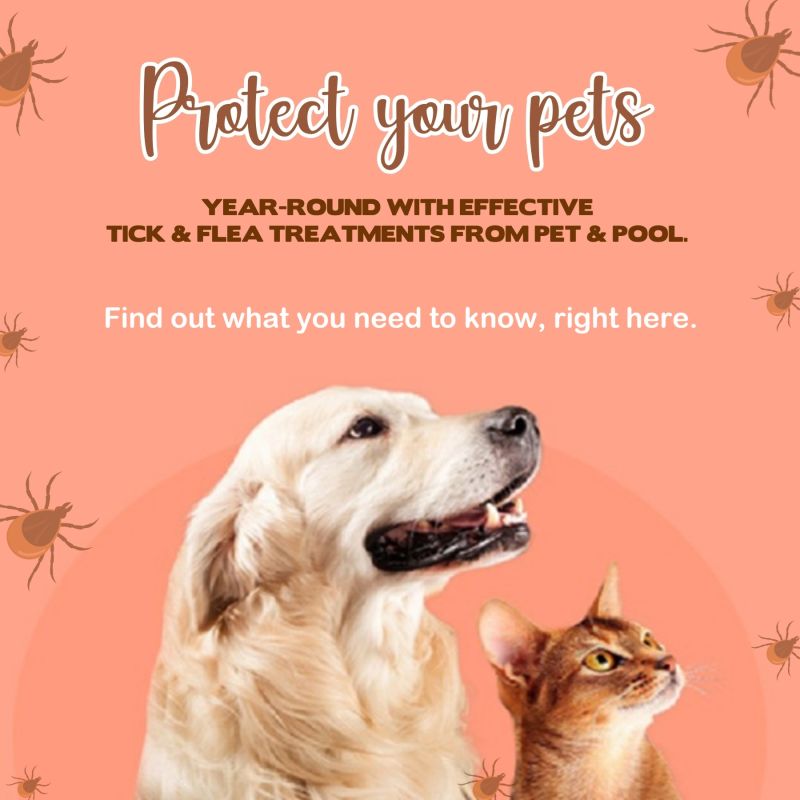
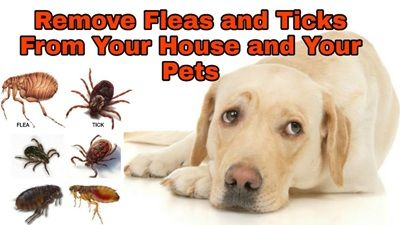
Ticks and Fleas on Cats and Dogs: A Guide

Types of Fleas and Ticks

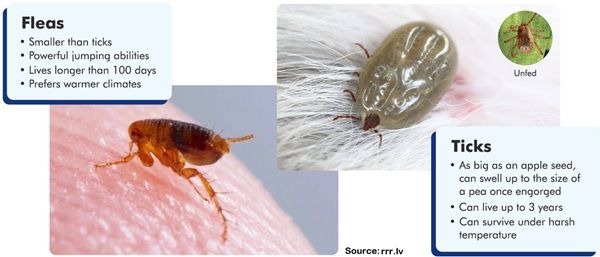
Fleas

•        Ctenocephalides felis (Cat Flea): The most common flea found on both cats and dogs.

•        Ctenocephalides canis (Dog Flea): Less common, but still a threat.

•        Pulex irritans (Human Flea): Occasionally found on pets, especially in heavily infested environments.

Ticks

South Africa hosts at least 12 tick species that affect pets. Common types include:

•        Rhipicephalus sanguineus (Brown Dog Tick): Found in warmer climates; known for spreading multiple diseases.

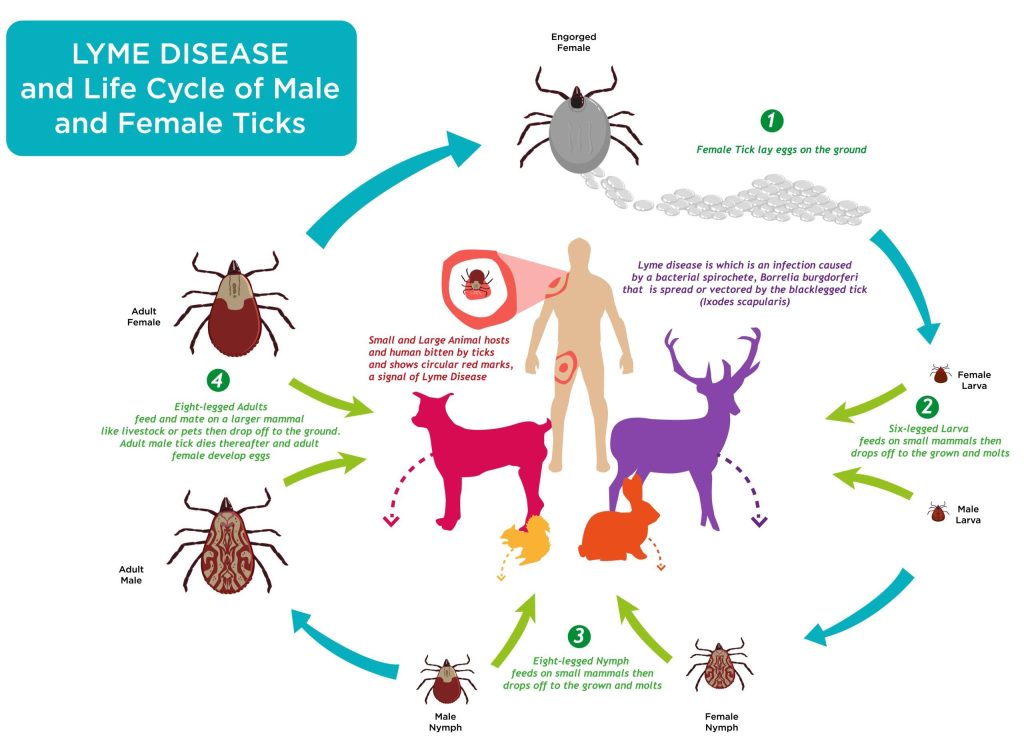
•        Ixodes spp. (Black-legged or Deer Tick): Carrier of Lyme disease.

•        Amblyomma spp. (Bont Tick): Known for transmitting Ehrlichiosis and causing tick bite fever.

•        Haemaphysalis spp.: Often found on cats, especially around ears and eyes.

Diseases Caused by Ticks and Fleas

Flea-Related Diseases

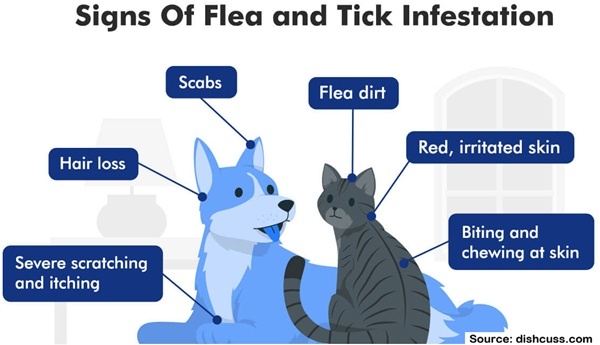
•        Flea Allergy Dermatitis (FAD): Allergic reaction to flea saliva causing intense itching, hair loss, and skin infections.

•        Anemia: Fleas consume blood; heavy infestations can lead to anemia, especially in kittens and puppies.

•        Tapeworms: Pets ingest fleas carrying tapeworm larvae during grooming.

Tick-Borne Diseases

•        Lyme Disease: Causes fever, joint pain, and lethargy.

•        Ehrlichiosis: Affects white blood cells, leading to bleeding disorders and immune suppression.

•        Babesiosis: Destroys red blood cells, causing anemia and jaundice.

•        Anaplasmosis: Leads to fever, joint pain, and neurological symptoms.

•        Tick Paralysis: Caused by neurotoxins in tick saliva, leading to progressive paralysis.

Treatments for Pets

Flea Treatments

•        Topical Treatments: Spot-on products like fipronil, imidacloprid, or selamectin.

•        Oral Medications: Tablets such as nitenpyram or spinosad that kill fleas quickly.

•        Flea Collars: Long-lasting protection using insect growth regulators (IGRs).

•        Shampoos and Sprays: Useful for immediate relief but less effective long-term.

Tick Treatments

•        Tick Preventatives: Products containing permethrin (for dogs only), fluralaner, or afoxolaner.

•        Manual Removal: Use tweezers to remove ticks carefully, ensuring the head is extracted.

•        Tick Collars: Provide continuous protection, especially in high-risk areas.

Always consult a veterinarian before starting any treatment to ensure safety and efficacy for your pet.

You can also disinfect and look after the environmental to lessen the risk of ticks and fleas. Fleas and ticks don’t just live on pets—they thrive in the surrounding environment. In fact, 95–99% of the flea population exists off the animal, in carpets, bedding, and outdoor areas.

Indoor Control

•        Vacuum Regularly: Focus on carpets, furniture, and pet bedding. Dispose of vacuum bags immediately.

•        Wash Pet Bedding: Use hot water weekly.

•        Use Environmental Sprays: Products with IGRs like methoprene or pyriproxyfen disrupt flea life cycles.

•        Dehumidify: Fleas thrive in humid environments; keeping your home dry helps reduce infestations.

Outdoor Control

•        Yard Maintenance: Keep grass short and remove leaf litter where ticks hide.

•        Outdoor Sprays: Use pet-safe insecticides in shaded areas and around pet resting spots.

•        Limit Wildlife Access: Fence off areas to prevent wild animals from bringing ticks into your yard.

Prevention Tips

•        Year-Round Protection: In South Africa, mild winters allow fleas and ticks to survive year-round.

•        Routine Checks: Inspect your pet’s coat regularly, especially around ears, neck, and paws.

•        Vet Visits: Schedule regular checkups and discuss parasite prevention plans.

Ticks and fleas are persistent, but with an initiative-taking approach, you can protect your pets and your home. If you’re battling an infestation, remember: treating your pet is just the beginning—your environment needs attention too.

Sources:

https://www.webmd.com/pets/ss/slideshow-flea-and-tick-overview

https://pages.vetdirectory.co.za/jhbspca/fleas-and-ticks

https://www.petmd.com/cat/conditions/infectious-parasitic/6-types-tick-borne-disease-cats

Posted on — Leave a comment

BluLink Premium Pool Service & Repair

Pools can be tricky. It involves knowledge about chemicals and equipment and can be very time-consuming.  Take into consideration:

Chemistry Confusion

•     Balancing chlorine, pH, alkalinity, and calcium hardness can feel like high school chemistry all over again.

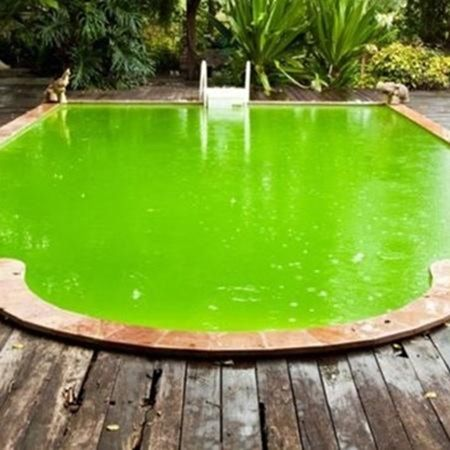
•     Even small imbalances can lead to algae blooms, cloudy water, or skin irritation.

Endless Cleaning

•     Leaves, bugs, and dirt don’t take days off. Skimming, vacuuming, and brushing walls are weekly chores.

•     Filters and pumps need regular cleaning and backwashing to stay effective.

Time Commitment

•     While basic upkeep might only take 1–2 hours a week, skipping it leads to bigger problems that take longer to fix.

•     Seasonal neglect—especially in winter—can turn minor issues into major repairs.

Equipment Hassles

•     Pumps, heaters, and chlorinators break down or clog, and troubleshooting them isn’t always intuitive.

•     DIY repairs can be tricky, and hiring a pro adds to the cost.

Info Overload

•     The internet is full of conflicting advice, which can make even simple tasks feel overwhelming.

•     Without a routine, small problems snowball into expensive disasters.

There are good news! With consistent care and a few smart tools (like professional help) pool maintenance becomes much more manageable. It’s like brushing your teeth—tedious, yes, but way better than dealing with cavities. BluLink service packages include no hidden costs, pay the same amount each month – all chemicals included.

With 50-years’ experience in the business and backed by a range of proprietary pool technologies, we offer a tiered selection of services to suit your needs. BluLink offers water treatments, repairs, cleaning, installations and weekly maintenance. 

Additional BluLink repair services offered includes:

Pool water “rescue” (you call, we fix)

Acid wash

Stain removal

Filter check, repair & installation

Pump check, repair & installation

Filter medium change

Suction leak detection & repair

New timer installations

Leaf skimmer installation

Pool cleaner supply & installation

Depending on your BluLink package selection, you can qualify for a range of additional benefits including:

FREE DELIVERY of all Pet & Pool purchases!

COMPLEMENTARY pet accident cover as well Funeral benefits for your pets! (T&Cs apply)

REGULAR complimentary benefits!

To get a quote visit us at https://blulink.co.za/ or send a mail to blulink@petandpool.co.za /support@petandpool.co.za.