

There are a lot of confusing arguments both for and against raw feeding that can be a real minefield. Sometimes it’s hard to know how to do the right thing for our pets, as you’ll often find strong opinions both for and against raw feeding. Let’s explore this (often) controversial topic.
What is raw feeding?
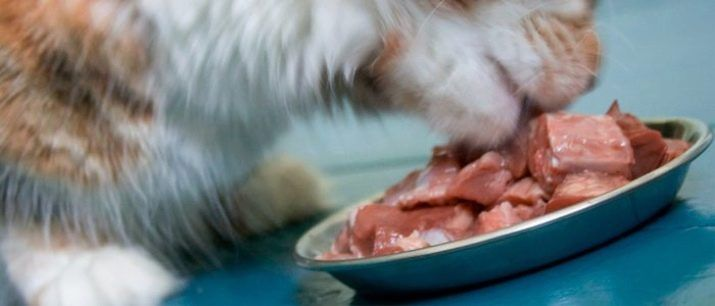
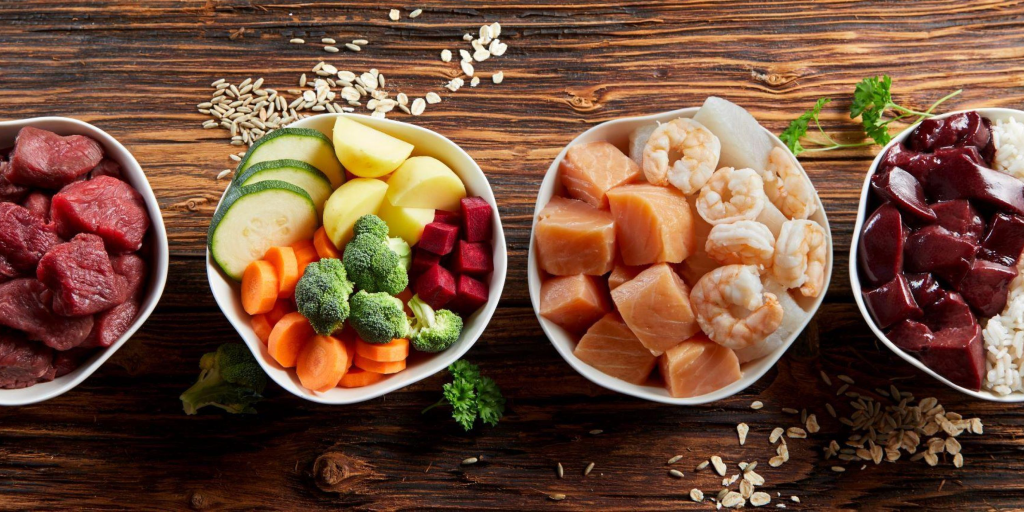
Raw feeding is exactly what it sounds like – feeding your pet raw ingredients, rather than the traditional cooked food that is more commonly available. Raw diets usually contain a combination of raw meat and other uncooked ingredients such as certain fruits and vegetables.
Why do people feed raw diets?
A lot of pet parents who feed their pets a raw diet does so because they see it as being a more “natural” option to traditional pet food. However, there are no studies to support that raw feeding is better than traditional dog food. Owners who feed their dogs or cats a raw diet often claim that they see a lot of good changes in their pet. This can range from a glossier coat and more energy, to less smelly poos! But a lot of the apparent benefits of raw diets can be easily achieved by making sure you’re feeding your pet any balanced, age-appropriate diet.
Today, pet owners who choose raw diets to feed their cat or dog believe they are feeding what their ancestors would have eaten in the wild.Raw diets also enable owners to control what goes into their pets’ food, avoiding additives and preservatives in many commercial pet foods.
What are the problems with raw feeding?
The benefits of raw feeding over traditional pet food have not been proven. The arguments for raw feeding are based on the experience of individual owners rather than official studies on lots of pets showing a real difference. The supposed health benefits of raw pet food diets are not strongly supported by scientific evidence, says Antonio Varcasia, a scientist at the University of Sassari in Italy, who studies how parasites spread in animals. He adds that improperly balanced raw diets can also result in nutritional deficits, like too much protein or too little fiber.
“There are some surveys of owners who feel that their pet is healthy and doing well, but this is not scientific evidence of benefit,” says Jennifer Larsen, a veterinary nutritionist at the University of California Davis.
What do veterinarians say?
Vets advise feeding your pet a complete commercial diet to make sure they stay healthy. This will provide all the nutrients your pet needs if fed correctly according to their weight and age.
Always speak to your own vet before changing your pet’s diet as they can advise you on the best course of action. If there is anyone at higher risk of infections in your household (e.g. pregnant, very young, older, or immunocompromised) then it’s best not to feed raw food to your pet due to the risk of disease from bacteria and pathogens on the raw food.
Whether raw or not, our vets do not advise making your pet’s food at home yourself, unless you have consulted a veterinary nutritionist. If you do choose a raw diet after consulting your vet, always choose a commercially prepared one. This is because commercial suppliers must take precautions to make sure all pet food is packaged correctly to certain hygiene standards, which is especially important with raw food. Companies making complete pet foods will also have to make sure that foods will contain everything your pet needs to stay healthy.
Do not buy any pet food of which the supplier is not registered at the Department of Agriculture for the Fertilizers, Farm Feeds, Agricultural Remedies and Stock Remedies Act, 1947 (Act 36 of 1947) and who is not a member of the Pet Food Industry in South Africa (PFI). Their members have even higher food and hygiene standards than the legal minimum, which means your pet’s food will be safer. You will find their logos and information on the packaging.
Before you decide – the pros and cons
The Pros of feeding your pet raw
a) Feeding a natural diet to pets
The fundamental argument for feeding raw is that this diet is the biologically appropriate method of feeding because our pets’ bodies evolved eating this diet — ‘anything less will fall short of what their bodies require for best health, longevity and freedom from disease.’ (Dr Ian Billinghurst, a veterinary surgeon with over 40 years’ experience dealing daily with health problems in companion animals, with clinical experience using RAW whole food nutrition. B.Sc. Agri. in 1966 from Sydney University as an Agronomist and Nutritionist).
Whilst our pets have been the subject of much breeding and inter-breeding over the centuries, producing a wide range of breed sizes and builds not present in the wild thousands (or even hundreds) of years ago, the essential biology of dogs and cats has not changed. So, proponents argue, the natural diet of their ancestors remains the most appropriate diet for our pets today.
b) Leading to better health and longer life — naturally
Advocates believe feeding an evolutionary appropriate raw diet profoundly benefits the pet’s health, including less wind and firmer poo; a fuller, shinier coat; greater enthusiasm for their meals; fewer intolerances; less incidence of obesity.
In addition, writing on the BARF (Biologically appropriate Raw Food) diet, Dr Billinghurst points to much reduced incidence of ‘dental problems, skin problems, ear problems, eye problems, bowel problems, kidney and heart problems, pancreas and liver problems and immune system problems,’ and ‘an enormously reduced chance of developing both infectious and degenerative diseases. They rarely develop cancer. This healthy state continues into advanced old age.’
As may be expected, manufacturers of mainstream pet foods dispute claims that their foods are either unhealthy or give rise to increasing incidences of pet cancer. At present there are few independent scientific studies on the raw food diet — perhaps partly due to there being little incentive for commercial pet food companies to fund such studies.
That said, there are a number of studies in progress and, for example, a recent study by Dr Anna Hielm-Bjorkman in Finland evaluating the levels of homocysteine, a marker of inflammation and chronic disease in the body, relating to diet found that the pets fed raw food, and who continued to eat raw food, had the lowest homocysteine levels.
c) You have control over what you are feeding your pet
Feeding a homemade raw diet, you are in complete control of what you include in your pet’s food, and the quality and origin of the ingredients.
You can prepare the diet to avoid foods to which your dog and cat may be allergic, and to meet your pet’s specific nutrient requirements. You can also vary the nutrients according to, say, time of year, activity of your pet etc.
Similarly, you can be sure to avoid inclusion of unhealthy additives, such as preservatives, or foodstuffs that are high in calories. If using, pre-prepared commercial raw meals you obviously do not have quite the same control over ingredients. But there are advantages in that it is a simpler feeding regime, and you do not have to find all the individual ingredients that go to make sure your pet receives a nutritionally balanced, varied diet. The raw meals are usually supplied frozen, which means they do not require added preservatives
d) How easy is it to switch to raw?
Dogs are fairly adaptable creatures and switching to raw is not a complicated matter as long as your dog is in good health. That said, our pets are individuals and there is no absolute rule about their preferences. If your dog doesn’t take to raw, you will probably not want to force him. Cats can be more complicated. Cats are carnivores and will need a diet that differs from that of a dog.
On your side it will also be easier if, at least to begin with, you use a ready-prepared raw food as opposed to homemade. A straight swap can work, feeding your pet their usual meal the night before, allowing 12 hours, and then make the switch to raw food in the morning. Alternatively, you can try phasing it in by offering raw as a treat initially then slowly increasing the percentage of raw in their diet. Raw dry food is also now available, which has a similar texture to commercial kibbles. Your pet may experience some initial symptoms as their digestive system adapts, most commonly bad breath and/or diarrhoea (or constipation), but these should soon pass; if not, consult your veterinarian.
The cons of feeding your pet raw
a) Risks from harmful bacteria
Bacteria such as E.coli, salmonella and clostridium botulinum have been found in raw food for pets and remain present in the pet’ stools. A dog’s constitution is much stronger than humans. Therefore, you and other people in the household are likely to be more at risk of being made ill by such bacteria than your pet. You do need to ensure you apply the rules of good hygiene to protect yourself and others in the household. Cats are more sensitive, and extra care should be taken.
For example, after handling raw meat always wash your hands thoroughly, and clean cutting surfaces and utensils. You can also minimise the risk of bacteria spread by using stainless steel bowls to serve your pet raw food and washing up the bowls as soon as your pet finishes eating. However, if very elderly people or young children are in your home, or people with a compromised immune system, you need to take extra care to ensure these vulnerable members of the household are protected from any contact with harmful bacteria.
On a similar note, a raw diet is not suitable for pets with a compromised immune system, for example if your pet is suffering from cancer or similar diseases. And raw is inappropriate for pets suffering from kidney diseases or liver diseases because, due to the high protein levels in raw food, such pets will find the food difficult to digest. Always consult a veterinarian.
b) It’s down to you to get the nutritional balance right
When feeding homemade it is also quite difficult to ensure you’re providing your pet with the necessary nutritional balance and varying diet of proteins that they need. It is important to vary your pet’s raw meals so that they receive the full spectrum of amino acids in the correct balance to minimise the likelihood of food intolerances developing. In addition, a varied diet helps to maintain the integrity of your pet’s gut lining.
As ever, you also need to be vigilant when feeding bones. Raw whole bones can be good for natural teeth cleaning and nutrition for dogs, but there is always the potential of chipping or damaging the teeth on a bone, or ingesting bone fragments. Feeding bones to cats are not recommended.
c) Expect raw to be more time-consuming, and more expensive
To get the potential benefits of feeding your pet a raw diet, you need to get the nutritional content right. This takes a fair degree of nutritional know-how, which takes time and commitment to develop. And symptoms arising from nutritional deficiencies can take months before they can clearly be identified. The sourcing and calculation of ingredients to ensure sufficient and varied nutrition, as well as preparation of the meal, are also time-consuming and can be difficult to fit into a busy lifestyle.
Feeding pre-prepared raw meals can get round most of these problems, but you still need the freezer space, and you can expect feeding raw in any form to be more expensive than high quality cooked wet or dry pet foods.
You have decided to feed raw. What now?
Feeding a high-quality raw diet can be expensive compared to other high quality, commercially produced pet food. Be cautious as cheaper raw alternatives are available but may not meet the high hygiene standards needed to be safe to feed to your pet. We also wouldn’t recommend buying meat or cheaper raw products from the supermarket or butcher that are meant for human consumption. These are meant to be cooked before eating, so are likely to have higher levels of bacteria than recommended for raw feeding.
Even taking all the precautions above, there is still a risk of infections that can affect your pet’s or family’s health. So, if you choose to feed a raw diet, it’s important to be hygienic at home as well:
• Keep everything (storage boxes, bowls, cutlery, etc) you use to prepare or handle raw food separate. Stainless steel bowls and metal or glass boxes are best as, unlike plastic, they won’t develop tiny cracks on their surfaces which can harbour bacteria.
• Always wash your hands before and after handling your pet’s food.
• Feeding a raw diet will require planning as you’ll need to safely defrost food before feeding it to your pet. Use a sealed container to allow the food to thaw in the fridge without compromising the safety of your personal foods. You can’t microwave raw diets to speed up the defrosting process as this can cause uneven thawing creating hot spots which can cook parts of the food and heat others to unsafe temperatures.
• Wash everything thoroughly after feeding. Always sanitise any surfaces you’ve prepared raw food on.
• Once frozen meats are defrosted, they must be consumed by your pet within 24 hours and never re-frozen.
• Remember that your pet’s saliva and poop can contain lots more potentially dangerous bacteria if they are fed raw food. Wash your hands after touching your pet.
Sources:
https://www.pdsa.org.uk/pet-help-and-advice/looking-after-your-pet/all-pets/raw-diets
https://www.nationalgeographic.com/animals/article/raw-pet-food-risks#