
Unlike humans, pets do not spend much time worrying about their oral hygiene. They are too busy chewing sticks, rolling around in the mud, and sniffing the smelliest things they can find on the sidewalk to care about their oral health. Most pets are not so big on personal space, either – frequently jumping in laps and giving slobbery kisses. Dental health is a very important part of your pet’s overall health, and dental problems can cause, or be caused by, other health problems. Your pet’s teeth and gums should be checked at least once a year by your veterinarian for early signs of problems and to keep your pet’s mouth healthy. Have your pet’s teeth checked sooner if you observe any of the following problems: Bad breath, Broken or loose teeth, Extra teeth or retained baby teeth, Teeth that are discoloured or covered in tartar, Abnormal chewing, drooling, or dropping food from the mouth, Reduced appetite or refusal to eat, Pain in or around the mouth, Bleeding from the mouth & Swelling in the areas surrounding the mouth.
Some pets become irritable when they have dental problems, and any changes in your pet’s behaviour should prompt a visit to your veterinarian. Always be careful when evaluating your pet’s mouth because a painful animal may bite. That means, as a pet owner, you are inevitably going to get some bad breath from your pets mouth in your face every so often. But when it comes to keeping your pet’s teeth clean, you can take steps you can take to support your pet’s dental health—namely, keeping up with regular teeth cleaning to avoid a potential dental problem. Teeth brushing is not just about ensuring your pet has fresh breath. It is also helpful for every pet parent to check in on their dental health and look out for early symptoms of a pet’s dental disease and tooth decay. By following the below steps on how to clean your pet’s teeth at home, you can help ensure that your pets teeth stay fresh and healthy.
Causes of pet dental problems
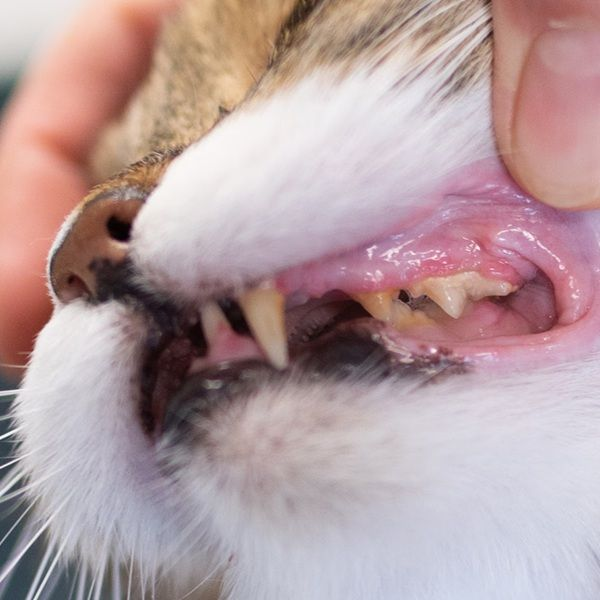
Although cavities are less common in pets than in people, they can have many of the same dental problems that people can develop: Broken teeth and roots, Periodontal disease, Abscesses or infected teeth, Cysts or tumours in the mouth, Malocclusion, or misalignment of the teeth and bite, Broken (fractured) jaw & Palate defects (such as cleft palate).
Periodontal disease is the most common dental condition in pets and cats – by the time, your pet is 3 years old, he or she will very likely have some early evidence of periodontal disease, which will worsen as your pet grows older if effective preventive measures aren’t taken. Early detection and treatment are critical, because advanced periodontal disease can cause severe problems and pain for your pet. Periodontal disease does not just affect your pet’s mouth. Other health problems found in association with periodontal disease include kidney, liver, and heart muscle changes.
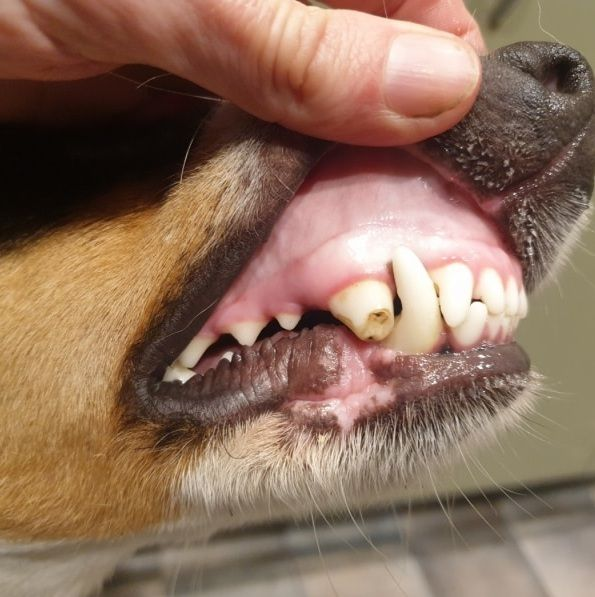
How do dental problems start?
It starts with plaque that hardens into tartar. Tartar above the gumline can often easily be seen and removed, but plaque and tartar below the gumline is damaging and sets the stage for infection and damage to the jawbone and the tissues that connect the tooth to the jawbone. Periodontal disease is graded on a scale of 0 (normal) to 4 (severe). The treatment of periodontal disease involves a thorough dental cleaning, and x-rays may be needed to determine the severity of the disease. Your veterinarian or a board-certified veterinary dentist will make recommendations based on your pet’s overall health and the health of your pet’s teeth and provide you with options to consider.
General Dental care
Teeth cleaning is a skill that needs to be trained by your pet like any other—think of it as a special trick that comes with the bonus of supporting their health. As with obeying any command, cleaning your pet’s teeth will be much easier if you start this training when they are a puppy. Besides, many puppies are naturally inclined to nip and nibble on fingers anyway, so you might as well brush their teeth while they are at it! If you are using a finger brush, this is also a good time to help train a puppy’s bite control. Puppies often need feedback to know when a bite is playful versus hurtful. If your puppy nips your finger during brushing, you can make an exaggerated pain reaction (“Ow! I am hurt!”) and turn away, so your pup will learn this boundary.
Clean your pet’s teeth at home
If your first question is, “how do I clean pet teeth at home?” your second question is, “how often do I need to do it?” Many experts recommend that pets have their teeth brushed once a day (which is hopefully half as many times as their human counterparts). Does that seem like too often? Are your pet and you cocking your heads to the side in confusion? We know that might seem like a lot of brushing, especially if you have been skipping your pet’s dental hygiene in the past, but once regular teeth cleaning is a part of your routine, it will be as easy as going out for a walk.
And do not worry—if your pet is skittish about having their mouth touched or otherwise resistant to daily brushing, their teeth are not going to just come tumbling out if you slack for a few days. At the very least, try to clean your pet’s teeth during their regular bath and grooming times. But if your pet resists all attempt at cleaning, it may be worth taking them to a professional that can help to reduce the stress of this routine. To begin with, you are going to need some canine dental supplies to start cleaning those chompers. Ordinary human toothpaste is a no-go, as it contains ingredients that can upset your pet’s stomach—and chances are, they will not appreciate the minty flavour as much as you do. Instead, toothpaste options for pets tend to come with more food-like flavours like chicken, pork, or beef.
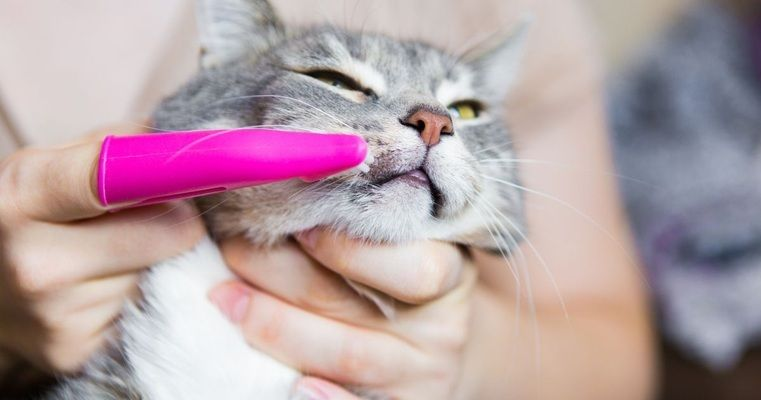
To start with, you will need three items:
You will find a wide range of dental health products at Pet & Pool. It also includes dental treats as well as toys that promote dental health by chewing.
1. A pet-specific toothpaste – There are a ton of different pet toothpaste on the market, so do some research to figure out which one is best for your pet before dental cleaning, keeping in mind their breed and age. Also, consider doing a taste test (conducted by your pet, not you) to see which toothpaste flavor your pet likes the best. If they view the toothpaste as a treat, it will be easier to work brushing into your routine.
2. A toothbrush – While many handled toothbrushes are explicitly made for pets, a soft-bristled child’s toothbrush works just as well (and is often a bit more durable). Many owners also prefer the finger brush, which is a brush mounted on a rubber guard that slips over your finger. Approaching your pet with your finger rather than a handled brush tends to be easier. A finger brush may also make it easier to feel around for abnormalities.
3. Rubber gloves – These are especially important when using a finger brush—and can help protect your hands from drool, pet toothpaste, and teeth (in case they like that toothpaste flavor a little too much).
The action of brushing your pet’s teeth is simple—in theory, anyway. Most pets, especially at first, will not understand why you are trying to stick your finger in their mouths, and it may take a little coaxing (and a lot of treats) before they get used to the feeling. That said, there are four basics you should be aiming for in your pups teeth brushing routine:
Brush the outside of the teeth – Unlike humans, you only need to brush the outside of your pet’s teeth. At first, focus on the canines and the large cheek teeth as that is where most gunk accumulates. Once your pet becomes more cooperative, you should be able to take a run at their back teeth. Do not forget the gums – Gently brushing the gums above the teeth can also help prevent gum disease. Brush in a downward direction – This will be more comfortable for your pet. Spend about 30 seconds to a minute per side – Your time spent may vary depending on how cooperative your pet is, but there is no reason to brush for more than a couple of minutes overall.
Remember!
While the basics are simple enough, each pet behaves differently. So, let us focus on some helpful tips and other ways to clean your pet’s teeth at home. If you did not start brushing your pet’s teeth when they were a puppy, do not worry. They can still learn to accept your finger (or a toothbrush). It might just require some time, patience, and a little trickery. To get your pet accustomed to having your finger or brush in its mouth, start by simply letting it eat food off your finger. Now is a great time to try out your canine-friendly toothpaste to see if there’s one your pet likes. Once your pet is a bit more comfortable, you can try brushing. You may have to hold their muzzle to get them to comply, but do not use too much force—you want this to be a positive experience. If you have a bigger pet—or a very wiggly little pet—it can also be wise to have a partner to assist you during brushing. Letting one person hold and soothe the pet while the other brushes can make the experience a little more calming for your pet. Brush as much as you can, and regardless of how much stubborn mutt behaviours you encounter, be sure to lavish your pet with praise and a treat. Pretty soon, your pet may even be excited to have their teeth brushed. Giving your pet a treat after teeth cleaning (or an attempted cleaning) is a smart positive reinforcement, but it is also an opportunity to work in some stealthy dental hygiene. Healthy dental treats are ideal.
Happy brushing!