

South African winters aren’t cold enough to stop parasites
Unlike regions that experience freezing temperatures, much of South Africa has moderate winters, especially in provinces like Gauteng, KwaZulu-Natal, Limpopo and Mpumalanga. Even in areas here the temperature can drop quite significantly, conditions in-house can be warm enough for parasites to keep being a problem. These conditions allow ticks and fleas to survive and remain active year-round.
- Fleas can continue their life cycle indoors, even if it’s cold outside
- Ticks often remain dormant in grass or soil, becoming active on warmer winter days
- Heated homes create ideal breeding conditions for parasites
Bottom line: Winter slows parasites—it doesn’t eliminate them.
Indoor infestations increase in winter
During winter, pets spend more time indoors—and so do parasites.
Fleas in particular thrive in warm indoor environments such as:
- Carpets
- Pet bedding
- Upholstered furniture
- Cracks in flooring or walls
Once inside your home, fleas can reproduce rapidly. A single flea can lay dozens of eggs per day, leading to a full-blown infestation before you realise it.
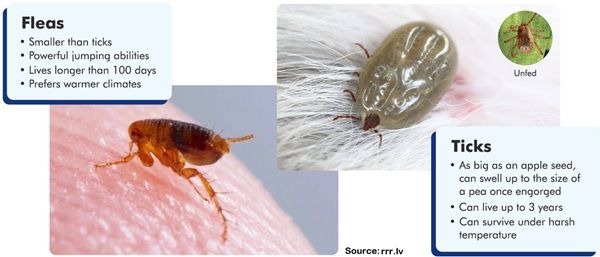
Fleas and ticks still pose serious health risks
Even in winter, these parasites can cause significant health problems:
Fleas:
- Skin irritation and persistent scratching
- Flea allergy dermatitis
- Tapeworm transmission
- Anaemia (especially in puppies and kittens)
Ticks:
- Tick bite fever (common in South Africa)
- Blood loss
- Secondary infections
- Transmission of dangerous diseases
Skipping winter treatments can leave your pet exposed when their immune system may already be under seasonal stress.
Prevention is easier (and cheaper) than treatment
Treating an established infestation is always more difficult and expensive than preventing one.
If you stop treatments in winter:
- Flea eggs and larvae can build up unnoticed
- You may face a severe outbreak in spring
- You’ll need home treatments, vet visits, and repeated cleaning
Maintaining a consistent, year-round prevention routine keeps parasite populations under control.
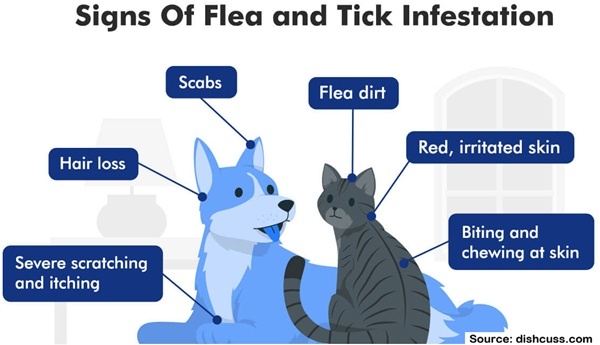
Body applications: keep protection consistent
Your pet’s body is the first line of defence.
Recommended practices:
- Use vet-approved spot-on treatments, oral medications, or collars consistently—even in winter
- Follow the dosage schedule (usually monthly or as directed)
- Don’t skip months—even one gap can allow reinfestation
- Ensure full application directly onto the skin (for spot-ons)
Tips for winter:
- Apply treatments when your pet is dry (avoid bathing immediately before or after)
- Brush your pet regularly to check for ticks, especially after outdoor walks
- Pay attention to warm hiding spots on the body—ears, under collars, between toes
Bedding and home applications: don’t ignore the environment
Treating your pet alone is not enough. In fact, only about 5% of fleas live on your pet—the rest exist in the environment (eggs, larvae, pupae).
Bedding care:
- Wash pet bedding weekly in hot water
- Use pet-safe disinfectants or flea-control additives
- Dry bedding thoroughly in sunlight where possible
Home treatment:
- Vacuum carpets, rugs, and furniture regularly
- Dispose of vacuum contents immediately
- Consider indoor flea sprays or foggers if needed
- Pay attention to areas where your pet sleeps or rests
Outdoor spaces:
- Keep grass short
- Remove leaf litter and debris
- Treat kennels and shaded areas where ticks may hide
Quality products make all the difference
Using reliable, vet-approved products ensures effective protection for your pet and home. Pet & Pool carries a wide variety of tick & flea medications and applications, making it easy for pet owners to find the right solution—whether it’s body treatments like spot-ons and collars, or environmental products for bedding and home use. For our product selections, please see our Online Shop under Wellness & Medication in our different departments (please note that some medications can be used for dogs, cats and small mammals. Always be sure to read the packaging instructions for accurate usage.
Having access to a broad range of trusted options allows you to tailor your parasite control approach to your pet’s specific needs.
Winter is the perfect time to stay ahead
Rather than pausing prevention, winter should be seen as a maintenance season—a time to keep parasite levels low so they don’t explode in warmer months.
By staying consistent now, you:
- Protect your pet year-round
- Avoid costly infestations later
- Maintain a clean, comfortable home environment
Final thoughts
Ticks and fleas don’t take a winter holiday in South Africa. While their activity may decrease, the risk remains—especially indoors. Consistent use of parasite prevention, combined with proper bedding and environmental care, ensures your pet stays healthy and your home remains pest-free.
Year-round protection isn’t just recommended—it’s essential.
For addition reading and some interesting facts, please click on the links below: