

South African pets are most frequently affected by the following types of worms:
- Roundworms (Toxocara spp.)
Found in puppies and kittens, often transmitted from the mother via placenta or milk. These worms can cause vomiting, diarrhoea, and stunted growth. - Hookworms (Ancylostoma spp.)
These blood-sucking parasites attach to the intestinal wall, causing anaemia, weakness, and skin irritation. They can also infect humans through skin contact with contaminated soil. - Tapeworms (Dipylidium caninum)
Transmitted via fleas, tapeworms can grow up to 60 cm long. Pets may show signs like scooting or visible worm segments in their stool. - Whipworms (Trichuris vulpis)
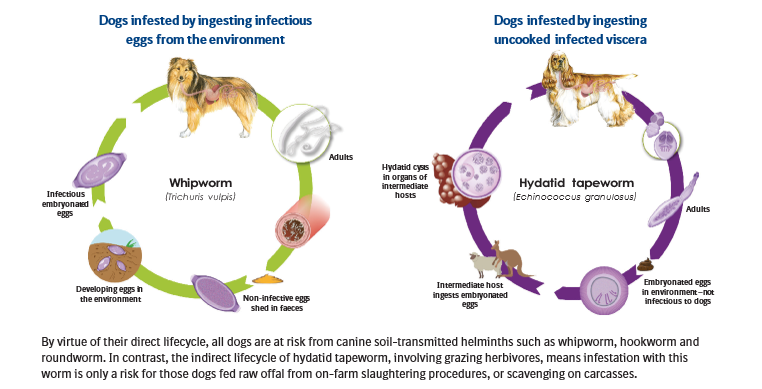
Less common but can cause chronic diarrhoea and weight loss in dogs. - Heartworms (Dirofilaria immitis)
Rare in South Africa but potentially deadly in warmer regions. Transmitted by mosquitoes, they affect the heart and lungs.
Treatment and Medications
Effective treatment depends on the type of worm and the severity of the infestation. Common veterinary-recommended medications include:
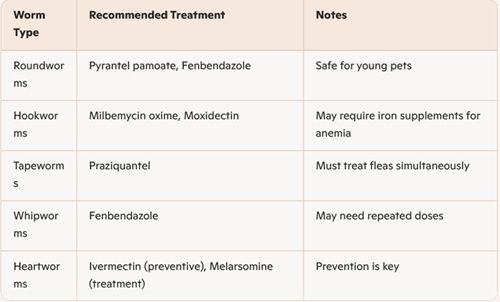
Always consult your vet before administering any medication. Dosage and frequency depend on your pet’s age, weight, and health status.
Prevention: Medicine and Environmental Control
Preventing worm infestations is far easier—and safer—than treating them after the fact. Here’s how:
Regular Deworming Schedule
- Puppies and kittens: Every 2 weeks until 12 weeks old, then monthly until 6 months.
- Adult pets: Every 3–6 months, or more frequently if they roam, hunt, or live on farms.
- High-risk pets: Monthly deworming may be necessary.
Environmental Hygiene
- Clean up pet faeces daily to prevent soil contamination.
- Treat your yard with pet-safe anti-parasitic sprays if infestations are suspected.
- Control fleas with monthly treatments—essential for tapeworm prevention.
- Avoid raw meat or prey animals, which may carry parasites.
- Wash pet bedding regularly and vacuum carpets to remove eggs and larvae.
Protecting Your Family
Some worms, especially roundworms and hookworms, can infect humans – particularly children. Practicing good hygiene, wearing gloves when gardening, and keeping pets dewormed helps protect your household.
By staying vigilant with regular deworming and maintaining a clean environment, you can keep your pets healthy and your family safe. If you’re unsure about your pet’s risk level or need help choosing the right medication, your local vet is your best ally.
Sources: