
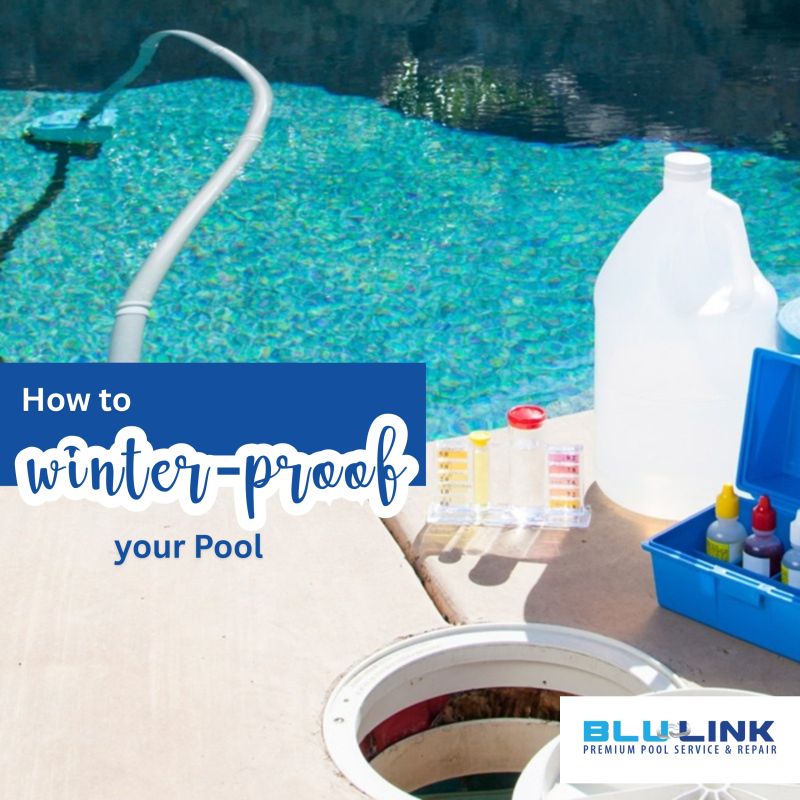
If you do not care for your pool during winter months, they can become chemically unbalanced. This will lead to nasty chemical deposits or in extreme cases, costly damage to your equipment and as well as the fit and finish of your pool. Taking care of your pool in winter will also ensure that your pool and pool water is ready to go when summer arrives. You will save time and money by taking care of your pool, equipment, and water during the non-swim season. Visit your closest Pet & Pool store for more pool tips and assistance. If you want somebody else to take care of your pool, you can also contact our very own BluLink premium pool service & repair division. Click here for more information: https://blulink.co.za/.
Here is a handy list of tips that you can follow to keep your pool in tip top condition during the coming winter period.
1. DO NOT drain the pool
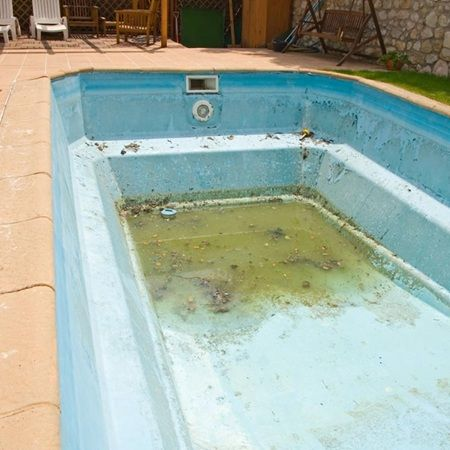
By keeping water in the pool, it helps to prevent the liner from drying out, shrinking, and eventually cracking. Even with a pool cover, an empty pool is more at risk for damage from debris. The water will act as a protective barrier, so you will not have to pay for costly repairs. Keeping your pool full also prevents the need for a costly complete refill when warmer weather returns. You can however adjust your water level slightly if you want to. Lower the water level to just below the skimmer and jets. This prevents water from entering the pump and filtration system, reducing the risk of freeze damage. By correctly adjusting the water level, you can protect your pool components from the harsh effects of winter and ensure a smoother spring opening.
2. DO cover the pool
Yes, a pool cover can be costly, but it is necessary. By covering your pool, you will minimise chemical evaporation: keeping your pool covered also reduces the amount of chemical usage by stopping chemical evaporation into the atmosphere. It will also prevent evaporation: pool covers prevent water evaporation so they are one of the best things you can do around the pool to preserve your pool water. It also keeps your pool warmer throughout colder months, so you do not have to use as much energy heating the water should want to take a dip after all! The result is less maintenance and lower electricity bills!
3. DO clean the pool
Start by brushing the walls and floor of the pool, remove any debris or leaves from the water, and do not forget to clean the skimmer baskets and the pump baskets. This is also a suitable time time to clean all around the waterline, and to get rid of algae if you find any. Algae can still grow during the winter as sunlight can pass through water and ice, allowing photosynthesis.
4. DO clean the filter
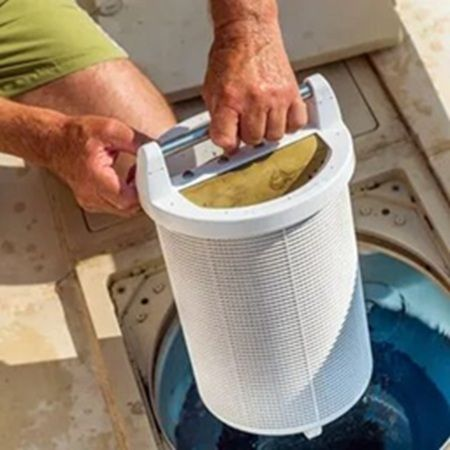
A clean pool filter is crucial for maintaining clear water and efficient pool operation. Proper maintenance during this season ensures your filter continues to work effectively, preventing pool issues.Understanding the several types of pool filters and how to maintain them is key to effective wintertime pool maintenance. i. Cartridge Filters: Replace the cartridge every month to six months, depending on usage. Regular replacement ensures optimal filtration and water clarity. ii. DE (Diatomaceous Earth) Filters: Disassemble and clean every three to six months. Add new DE powder after each cleaning to maintain filtration efficiency. iii. Sand Filters: Replace the sand every three to five years and backwash monthly. This routine helps keep the filter working efficiently by removing accumulated debris.
5. DO backwash
Backwashing is essential to maintain proper water flow and filtration. Backwash your filter at least once a month to remove trapped debris and maintain proper water flow. This helps prevent clogging and ensures the filter operates efficiently. By keeping your pool filter clean and performing regular maintenance, you will help keep your pool water clear throughout the fall season. This step is vital for maintaining overall pool health and avoiding more significant issues.
6. DO balance the water chemistry
Maintaining proper water chemistry is essential to prevent algae growth and damage to your pool components. Balanced pool chemicals ensure your pool remains clean and safe throughout the fall and winter season. Keeping your pool’s chemical levels in the correct range is crucial for effective fall pool maintenance.
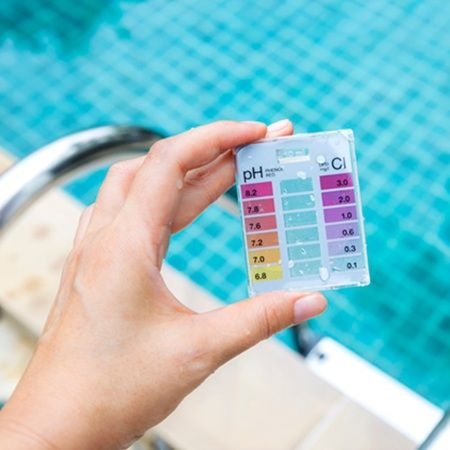
Perform a pH-test and adjust the value to between 7.0 and 7.2, if necessary. This will avoid the build-up of limescale or corrosion damage during winter. Use test strips to test the water pH value. When the pH value of the pool is adjusted, give it a chlorine shock. Afterwards the pool filter system should be allowed to run for approximately 6 hours to give the water care products time to work and stabilize. The chlorine content may drop to 1-3 mg/l .
Keep alkalinity between 80 and 150 parts per million (ppm) to stabilize pH levels. Maintain calcium hardness levels between 175 and 225 ppm to protect your pool surfaces from scaling and corrosion. Ensure chlorine levels are between 1 ppm and 3 ppm to keep your pool water sanitized and safe for swimming. It is recommended to place winter floats in the pool before applying the pool cover.
Weekly testing is important. Use test strips or a home test kit to check pH, alkalinity, and chlorine levels. Adjust as necessary to maintain the correct balance. Professional Testing: Have your water tested bi-weekly by a local pool professional, such as our BluLink service or at any Pet & Pool store. These tests provide accurate readings and expert advice on maintaining proper chemical levels.
7. DO run the pump
Your pool’s pump should be reduced from running 8-12 hours a day to 4-6 hours during the winter period. In winter, you can reduce the pump’s run time compared to summer. However, it still needs to run daily to keep the water circulating. Typically, running the pump for 4-6 hours a day is sufficient during the colder months. You can adjust this based on the size of your pool and the local climate. If your pump is controlled by a timer, make sure to adjust it accordingly.
8. DO clean the pool pump pipes
You want to rid the pipes of any stuck debris or dirt that may cause algae to grow over the winter period. Cleaning out the pipes that lead from the pump to the pool also helps prevent clogs and ensures that no tiny pieces of debris remain behind the pump, which can clog it up when the water pressure drops during winter.
9. DO clean salt cells if you have a chlorinator
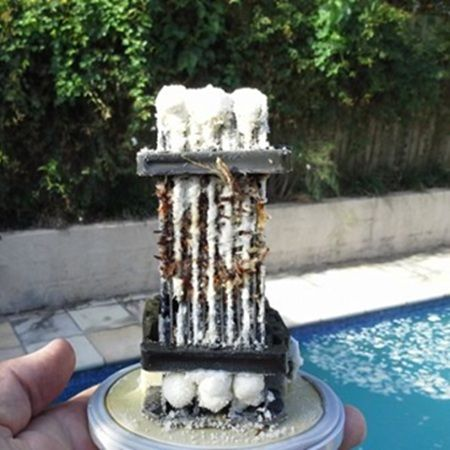
You may not know this, but most salt cells will not work well in water temperatures less than 15-16 degrees Celsius. For this reason, they may have trouble creating enough chlorine in the winter. They can also be overworked in such temperatures, leading to a shorter lifespan. Both the salt cell and debris screen in your saltwater pool plays a crucial role in maintaining the health and longevity of your pool. Neglecting regular maintenance of these components can lead to reduced chlorine production, restricted water flow, and even damage to your pool pump and filtration system.
10. DO clean & store pool fittings
Keep your pool fittings protected until the warmer weather returns. Make sure to remove any excess water or debris that begins to accumulate on top of your cover, as this will add extra strain to your cover and reduce its lifespan. Carefully remove any diving boards, ladders, slides, skimmer baskets, handrails and so on. Clean them thoroughly before putting them in a safe place for the winter.
11. DO keep a maintenance schedule
Once you have completed your preparation for winter, make sure that you stick to a maintenance schedule even though it is cold and the pool is not being used.
Prepare your pool before each big storm by clearing out the leaf baskets and balancing your chemical levels once the storm is over. A bi-weekly maintenance schedule should be enough to keep your pool clean throughout the winter months if you have a pool cover. Getting your pool ready for winter also helps keeping it in shape when summer starts. You will spare yourself a lot of frustration and costs when the kids want to “test the water” 31 August!
12. DO NOT forget about your above the ground pool
There are three winterising solutions for above-ground pools: Full pool draining, which is not really winterising, and which will only apply to the smallest models such as inflatable or self-standing pools. Active winterising, during which pool operation is reduced and maintenance still occur. This takes place in several stages: i. Clean the pool entirely: walls, bottom, waterline, steps. ii.Perform a shock treatment if the water is dirty and remember to run the filtration system for 24 hours. iii. Descale and clean the filtration system. iv.Pour a winterising product into the water.
During the winter, you should maintain your pool with daily filtration according to the water temperature (continuously below 0 °C, between 2 and 4 hours above); regularly clean the filter; monitor the quality of the water. Passive winterising, which is a total shutdown. You will have no maintenance to conduct during the winter, but you should also remember to drain all equipment to prevent it from damaging in the wintry weather or freezing and lower the water level below the filtration system. If your above-ground pool is installed permanently, you should choose active or passive winterising. The first will be adapted to mild climates while the second is preferable for places subject to frequent freezing temperatures and where snow often occurs. Regardless of the type of pool you have in your garden, it must be winterised when the water temperature is stabilised around 12 °C. Indeed, winterising too early could facilitate the proliferation of micro-bacteria. However, winterising too late means taking the risk of seeing the water freeze over, which could damage your pool and equipment.
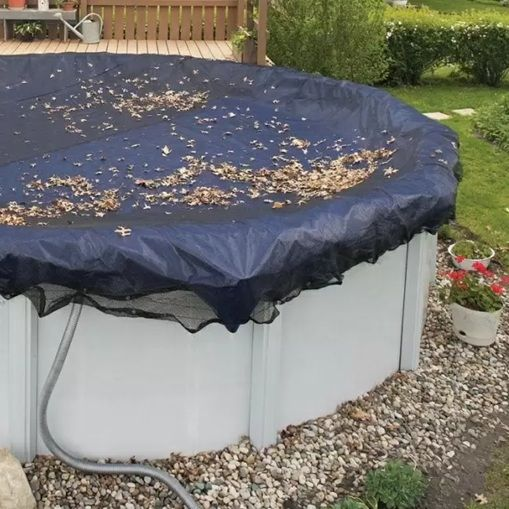
It is not usually recommended to entirely drain above-ground pools. The water in the pool exerts pressure that enables the pool to maintain its shape. An empty pool could thus be damaged or crack. The only exception to this rule is for small above-ground pools, which measure under twenty m3. Whether the pool is self-supporting, tubular or inflatable, the easiest way is to drain it entirely, clean it well and store it for the winter. To cover your above-ground pool in winter, use a strong winter tarpaulin that is suitable for cold temperatures. A waterproof tarpaulin will ensure the best protection; its hermetic properties help to create a barrier against both debris and sunlight to limit the appearance of algae. You can also choose to use a net cover, which will require more frequent cleaning but is easier to manage. Unless you have a small pool, there is no difference between winterising an above-ground pool and an in-ground model. This specific maintenance, designed to keep the pool in good condition during the entire winter, is essential. By giving it all your attention, you will keep your pool longer and enjoy it again when finer weather returns.
Sources: