
Cities and countries worldwide are aggressively addressing the animal overpopulation crisis and areas that are efficient in doing so have reported drastic reductions in the numbers of animals being taken into animal shelters and euthanised. It all starts with you and your community, so spread the word about pet sterilisation.
Support local community drives, such as the drives that Pet & Pool form part of.
What is spaying and neutering of cats and dogs?
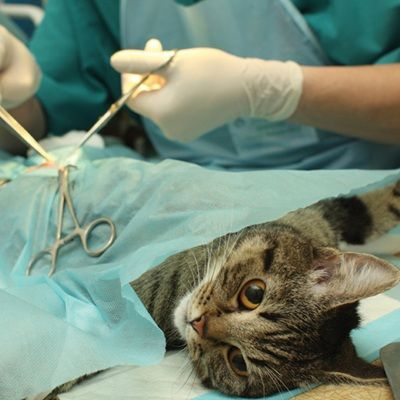
Sterilisation (spaying or neutering) is when a qualified veterinarian performs a surgical procedure involving removal of a pet’s reproductive organs.
Sterilisation in both male and female cats and dogs has many far-reaching benefits, namely:
Improved longevity and avoidance of unplanned litters includes:
- Sterilised pets are less susceptible to contract some diseases such as Feline Immunodeficiency Virus in cats or the Transmissible Venereal Tumour virus in dogs.
- Having your female cat or dog sterilised at an early age can further protect them from the later onset of critical health issues such as urinary infections and mammary gland cancer, which are found to be malignant in approximately 50 percent of dogs and 90 percent of cats.
- Elimination of hormone-induced moodiness and uncomfortable, stressful symptoms associated with heat cycles.
- Reduction of the frustrating behaviours of heat cycles, such as yowling and inappropriate urinating around the home.
- Neutering male pets may reduce certain behavioural problems related to the instinct of mating. This ensures they are far less likely to perform a Houdini-style escape from home to roam in search of a female mate, thereby reducing the chance of them being run over by a vehicle or getting into fights with other animals.
- Altered males are less inclined to mark their territory around the home by spraying a strong scent over all your household belongings. This should also eliminate the instinctive need to mount people, other dogs, and non-living objects.
- Neutered males have a reduced chance of developing prostate and testicular cancer, thereby enhancing their quality and quantity of life.
Remember, whilst sterilising your male pet reduces their testosterone levels, there is no guarantee that their unfavourable behaviour will improve. This is because they may have become accustomed to certain learnt behaviours and there is the possibility that these habits will continue if left unchecked. At the end of the day, the outcomes of neutering are influenced by your pet’s unique character, biology, and history.
In South Africa, over 40 million South Africans rely on animal welfare organisations to support their pets, however these establishments are under immense strain being only able to assist a segment of this population, thereby leaving innumerable animals without any access to basic veterinary care.
To further aggravate the situation in South Africa, the following statistics were published by Statistics South Africa Census 2012, Eighty20 (SAARF Living Standard Measures 2012), South African Veterinary Council (SAVC 2012), World Society for the Protection of Animals (WSPA 2008), Animal Welfare and Private practices 2012, and South Africa Mass Animal Sterilisation Trust (SA.MAST) :
It’s been reported that South Africa has a grave scarcity of specialist surgeons, with only twelve practicing in the entire country. This problem is further exasperated by the fact that less than one surgical specialist is allocated per major city outside of Johannesburg and Pretoria. This amounts to approximately 870 000 homed dogs and cats for every surgeon. Older surgeons and veterinarians are also retiring from private and animal welfare practices, thereby causing a shortage of mentors to teach new graduates.
This explains why millions of innocent dogs, cats, puppies, and kittens are euthanised every year, due to the shortage of both loving homes to take them in and people without access to animal welfare services. Sterilisation is the affordable, simple solution to saving millions of animals from a life of struggle with hunger, thirst, neglect, abuse or euthanisation in animal shelters because they never get adopted. As responsible pet parents, you can make the difference by sterilising (spaying or neutering) your pets to ensure no unplanned litters occur.
Why are sterilisations costly?
According to a well-known vet in Pretoria, Dr Lizel van der Merwe, it costs a lot to run a veterinary practice. Costs such as medicines, equipment, and even the oxygen for anaesthetics cost money. Then there are staff salaries, etc.
For female animals, it is quite a big operation (a hysterectomy) and carries the risk of haemorrhage if not performed properly. Sterilising the male cat is simple and carries minor risk.
Sterilising the male dog is also simple, but there are many post-op complications, from swelling to licking. The professional time taken can vary from what is anticipated and follow-up examinations are preferable, especially if the client is less educated in animal health and welfare.
Most vets do pro bono work on an ad hoc or organised basis, often linked to rescue centres. But this is on an individual basis.
Every day vets are confronted with people who are unable to pay their bills, and this is one of the major stressors of their jobs. They must draw the line, otherwise their businesses will no longer be viable. Most of the vets are discounting clients’ accounts every month, just so that they do not end up euthanizing patients that could otherwise survive an illness or procedure.
As far as paying off goes: Well, let’s just say that many people promise that and then you never manage to get them to pay their bills.
There are many non-profit organisations where people can go to have their animals sterilised for little or even for free, such as your local animal welfare organisations or the Community Vet Clinics (CVC), which are managed through the South African Veterinary Association (SAVA). Find them at www.vetassociation.co.za.
If you contact your local veterinarian, you may find someone who is prepared to do pro bono work for a destitute case. But it is unfair to expect the veterinarian to help everyone. Some practices have a “fund” for needy cases and use that which is set aside to pay for costs not recovered, but there is a limit to this fund.
Sometimes it helps if people are willing to even pay half of the fee upfront just so that basic costs are covered. There is a responsibility on the owner and the veterinarian to try to come up with a plan.
As a pet owner you can save up a small amount each month for sterilisation and use that as a deposit or take out medical pet insurance; or find a cheaper alternative practice. Pet & Pool partners with Dotsure, who offers a variety of plans to assist. You can find more information at www.dotsure.co.za.

Be responsible and educated!
Will altering my pet affect their weight?
The process of spaying or neutering has been known to reduce the quantity of sex-related hormones which may lead to a decrease in a pet’s metabolic rate, but a lifestyle of regular exercise and a healthy diet will ensure your pet is kept slim, fit, and shapely. A pet’s age, breed and level of activity are also factors when taking dietary concerns into account. Portion servings and exercise regimes will need to be adjusted accordingly as your pet gets on in years and depending on whether their breed is prone to weight gain.
How can you teach your children about “the miracle of birth”?
There is a wealth of information available in the form of books, videos, and online programmes to responsibly teach your children about reproduction. Allowing your pet to breed is not only teaching your child to be reckless, but it’s contributing to the current calamity of countless pets dying in shelters because there’s a deficit of loving homes for the rapidly growing population.
Is sterilisation safe?
Spaying or neutering of pets is the most performed surgical procedure conducted by veterinarians. Your furry friend will receive a general anaesthetic during the procedure and pain medication to manage any associated pain, thereafter, thus experiencing moderate pain and discomfort. The occurrence of complications resulting from these procedures is very low.
What is the best age to spay or neuter my pet?
It is always best to consult your veterinarian about when the most appropriate age to sterilise your pet is as this could vary between breeds, ages, and individual health statuses, however, most veterinary practices will only sterilise your pet after they are 6 months old.
What are the costs involved?
If your pet produces offspring, you are then responsible for the wellbeing of the wee ones. Sterilising your pet is a far more cost-effective solution than having to care for a litter of pups or kittens. Many animal welfare organisations and shelters offer free sterilisations to make the procedure more accessible for pet parents to do the right thing.
Pre-Surgery Tips
Your vet will give you the necessary information required regarding preparing your pet for surgery. They will probably insist that your pet fasts the night before undergoing anaesthesia, but instructions may differ for younger pups and kittens, so ensure you are given accurate instructions pertaining to your pet’s individual set of circumstances.
Post-Surgery Recovery Tips
It is best to keep your pet indoors overnight, in a peaceful place away from noise or other pets until the anaesthetic has fully worn off. Pets that have not fully recovered and are left to roam may not be as quick to react in a dangerous situation and may come to harm.
Ensure your pet doesn’t jump and run for approximately 10 days after the operation, or for as long as your physician suggests.
Ensure the incision remains free from infection by preventing your pet from licking it. This can be done by offering them treat distractions or using an Elizabethan collar.
Don’t bath your furry pal for at least 10 days after the operation.
Conduct daily inspections of the incision to ensure efficient healing.
Consult with your vet if you notice any of the following:
The incision is red, swollen, open or producing any discharge
If your pet is unusually lethargic, has a reduced appetite, is vomiting or has diarrhoea.
What can you do to help?
Addressing the overpopulation of stray dogs and cats is a complex issue that requires a multifaceted approach. Here are several strategies that have been effective in various communities:
Spay and Neuter Programs: One of the most effective ways to control the population of stray animals is through spaying and neutering. Programs that provide low-cost or free spay/neuter services can significantly reduce the number of litters born each year.
Trap-Neuter-Return (TNR): For feral cat populations, TNR programs involve humanely trapping stray cats, neutering or spaying them, and then returning them to their original location. This helps control the population while allowing the cats to live out their lives without contributing to further breeding.
Adoption and Foster Programs: Increasing the visibility of adoptable pets through shelters, rescue organisations, and community events can help find homes for strays. Foster programs can also temporarily house animals until they find permanent homes.
Public Education and Awareness: Educating the public about responsible pet ownership, the importance of spaying and neutering, and the consequences of abandonment can help reduce the number of animals that become strays.
Legislation and Policy Changes: Implementing and enforcing laws regarding pet ownership, breeding, and abandonment can help address the issue. This may include licensing requirements, limits on the number of pets per household, and penalties for neglect or abandonment.
Collaboration with Community Organisations: Partnerships between local governments, animal shelters, rescue groups, and community members can create more effective strategies and resources for managing stray populations.
Creating Safe Havens: Establishing designated areas where strays can live safely, receive food, and be monitored for health can help manage populations without resorting to euthanasia.
Funding and Resources: Ensuring that shelters and rescue organisations have adequate funding and resources to carry out these programs is essential for their success.
While there is no one-size-fits-all solution, a combination of these strategies tailored to the specific needs of a community can significantly reduce the overpopulation of stray dogs and cats.
Sources: