
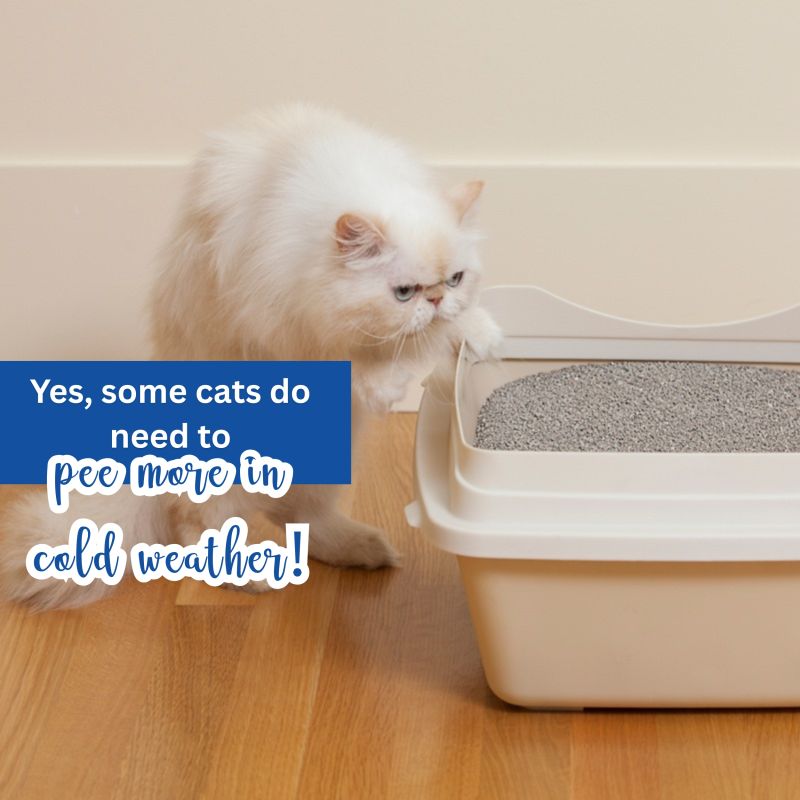
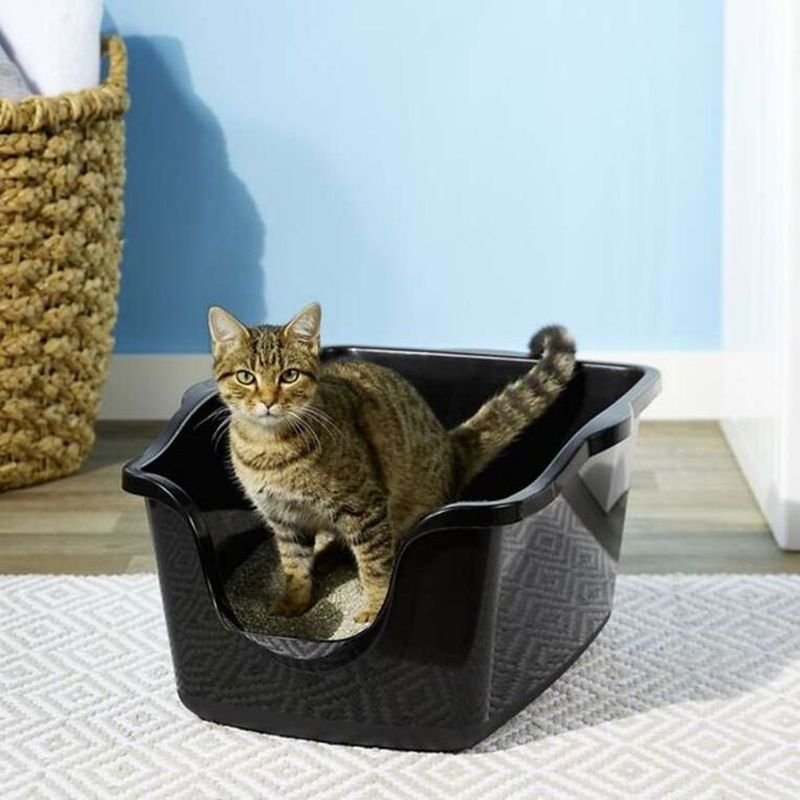
As cats age, they may experience stiffness in their joints or arthritis, making it harder to get outside and do their business. During the winter, cold weather can worsen joint pain, so having a low-entry litter box that’s easy to step into ensures they don’t have to struggle or experience any physical stress. Similarly, kittens may be reluctant to go outside into cold weather, so having a shallow, low-sided box helps them get in and out easily, reducing stress and promoting good litter box habits from an early age. Without regular outdoor trips, your cat may urinate more often or hold their waste longer, which can cause odour build-up in the litterbox as well, and the colder weather might also lead to less ventilation in the home, trapping smells inside.
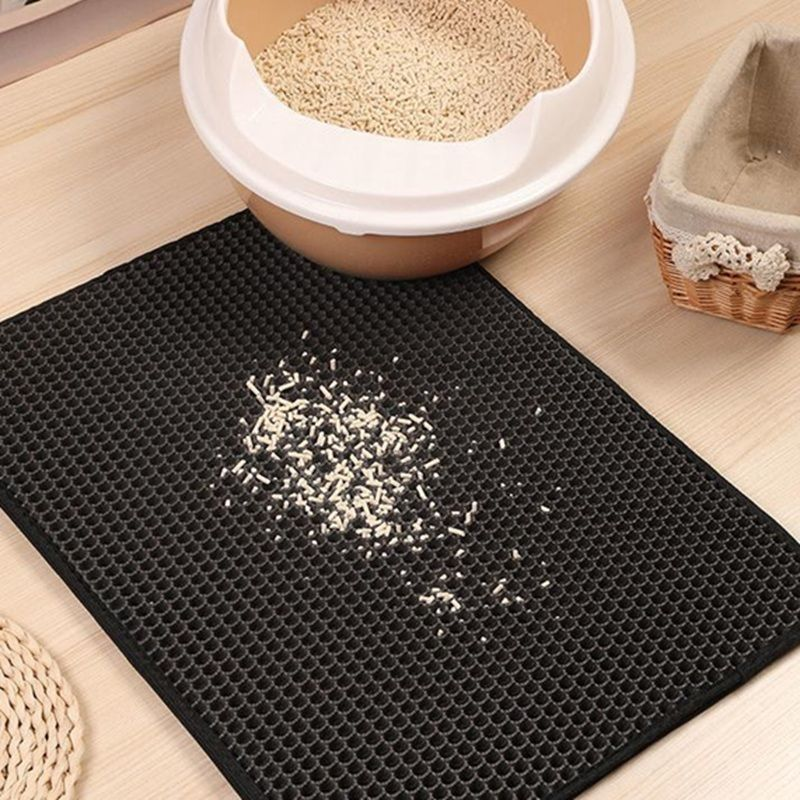
For kittens, consistent exposure to a clean, fresh-smelling litter box encourages positive habits, and if a box becomes smelly, they may avoid it, leading to accidents around the house. Odour sprays designed for litter boxes neutralize unwanted smells, keeping your home fresher during winter. This is important for elderly cats, who might urinate more due to age-related health issues. During winter, cats tend to spend more time indoors, meaning more frequent use of a litter box, resulting in litter tracking. During colder months, some types of litter might stick to the fur and paws more easily. Track mats placed around the litter box can capture most of the litter that sticks to their paws before it’s spread throughout the house. This helps to keep your home cleaner during winter when it’s harder to keep floors dry and clean. Track mats also help elderly cats with reduced mobility by reducing the need to constantly clean up after every trip to the litter box. With the mats catching the litter, your senior cat can continue using the box without worrying about slipping on scattered litter or dragging it around the house.
Additionally, the mats provide a soft surface under their paws, offering some comfort on cold floors, which can be hard on older cats with joint issues. Kittens often create a mess when they first use the litter box, and track mats can help contain the litter they scatter. Not only does this reduce cleanup, but it also ensures that the kittens aren’t dragging litter all over the home, which can be a source of frustration for owners. To keep it simple: less mess, less stress, and a lot more purrs. With a little winter prep— accessible litter boxes, fresh scents, and track mats—your cats will have everything they need to stay happy and healthy, no matter how cold it gets outside. It’s the ultimate cosy combo for both senior cats and playful kittens!
Different kinds of cat litter
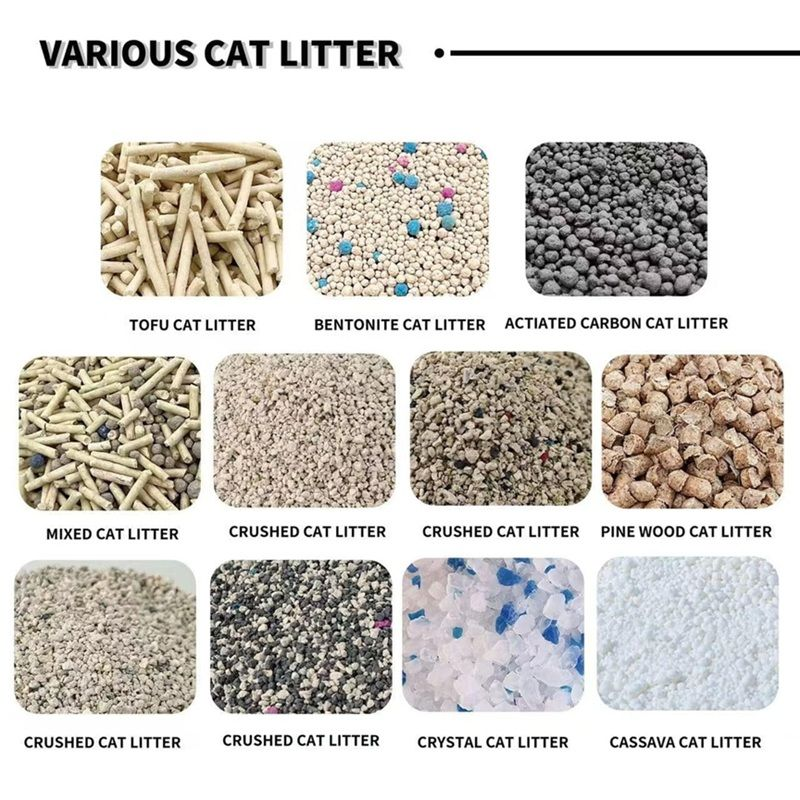
If you’re a cat owner, you know how many types of litter there are. Among the contenders are clumping and non-clumping litter. How do you choose the right one for your whiskered kitty?
The difference between clumping and non-clumping litter
Clumping litter has the ability to form clumps when it encounters even the slightest touch of moisture. As soon as your cat uses the cat litter tray with clumping cat litter, and as soon as their waste finds its way into the litter, the clumping litter, often armed with bentonite clay, reveals its absorbent properties. The litter begins to bind together and form solid clumps that are easy to identify and remove. Clay, with its absorption powers, is a very good option.
Non-clumping litter doesn’t possess the innate ability to form clumps. Instead, it takes a different approach to combat the liquid onslaught within the litter box. This type of litter is often crafted from materials like silica gel, recycled paper, or natural fibres.
Silica gel, with its tiny granules reminiscent of sparkling crystals, acts as a super-absorbent sponge to lock away litter box smells. It soaks up the cat waste, trapping it within its microscopic pores and preventing it from spreading throughout the litter pan. The litter box remains tidy and dry, even in the face of moisture challenges.
There are distinctive benefits and drawbacks that each type of litter offers.
Clumping litter is beneficial because it forms compact clumps that can be easily scooped out. This clumping action also makes cleaning a breeze, saving time and effort for busy cat owners.
Some clumping litter may leave tracks around the house, turning your living room into a sandy beach. Keep that vacuum handy!
Non-clumping litter has many advantages that may surprise you as a cat owner. It tends to be more cost-effective than the clumping litter. This affordable option can be a lifesaver for budget-conscious cat owners who want to keep their kitties happy without spending too much. It will require more frequent cleaning since clumping litter allows for the targeted removal of soiled clumps. However, by fully replacing the litter more frequently, you ensure optimal cleanliness and odour control. So, although it may require a bit of additional scooping and changing, the result is a fresh litter box that contributes to a healthier and happier environment for your feline companion.
Cat litter is not a “one-size-fits-all”. The choice between clumping and non-clumping litter depends on your cat’s unique needs and preferences, as well as your own.
Consider the cost considerations: non-clumping litter’s affordability makes it a cost-effective option that won’t pinch your pockets. The litter your cat prefers: observe their preferences, experiment with different litters, and listen to their litter box feedback.
Here are four tips for you to consider:
- Cat’s age and health:
- Kittens, senior cats, or those who like non-clumping litter.
- Personal Preferences: Observe how your adult cat interacts with different cat litter textures. Some cats may have a particular affinity for certain materials, such as silica gel.
- Litter Box Hygiene: Regularly cleaning the litter box and maintaining a fresh supply of litter is crucial.
- Trial and Error: Don’t be afraid to experiment with different types of cat litter until you find the purrfect match for your finicky feline.
Sources: