
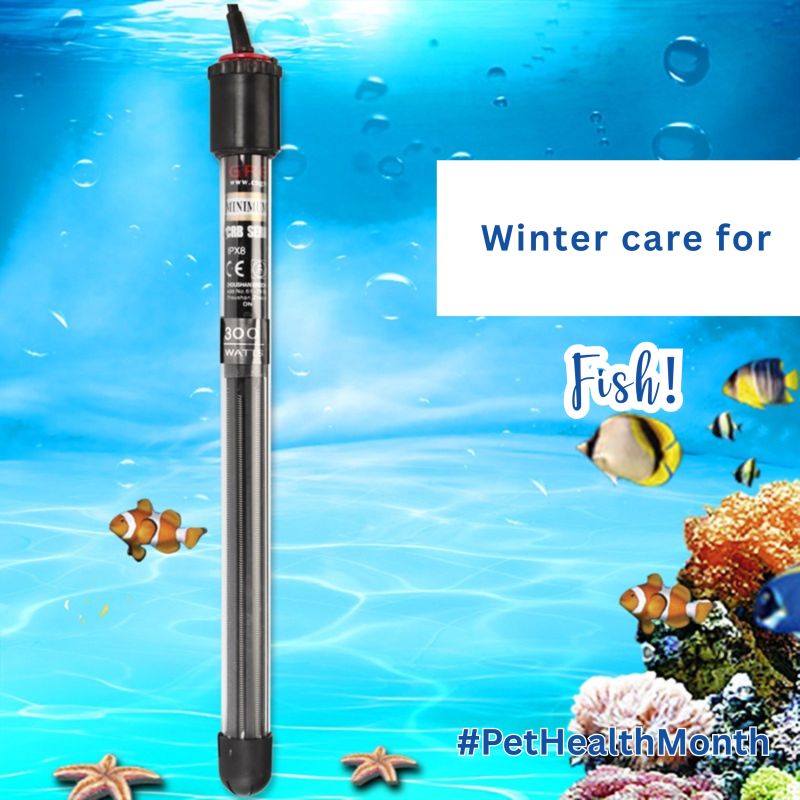
Follow these tips for to see your fish through the winter:
Avoid drafts
Make sure that your fish tanks are not exposed to cold drafts at night – close doors, use door stoppers and window drapes to assist.
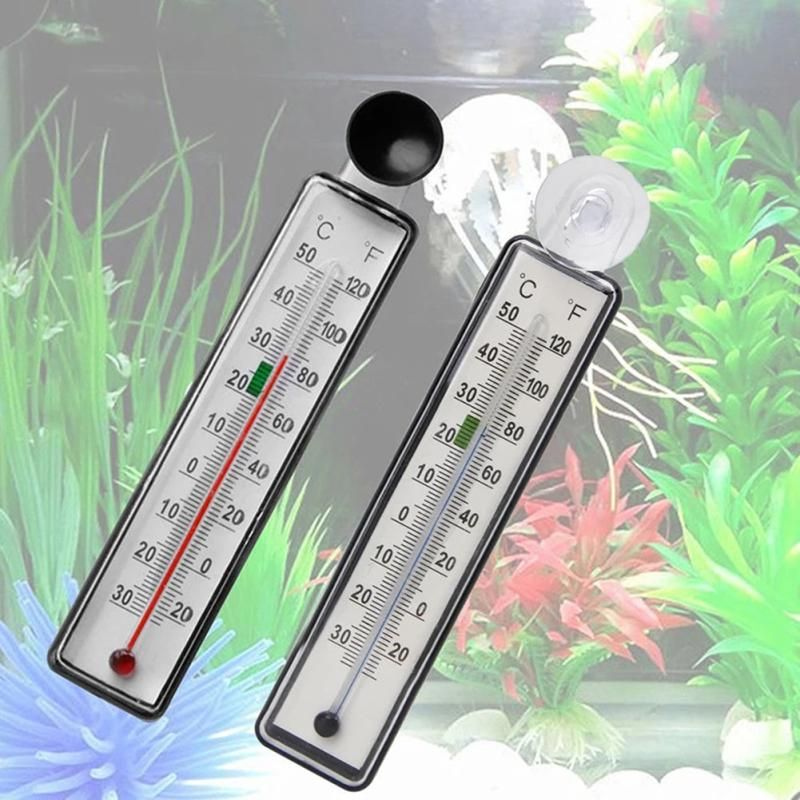
Check temperature
It may sound obvious but take the time to check the temperature of your tank with a thermometer. Make sure the water temperature hasn’t dropped below ideal conditions for your fish. Because warm water sinks in very cold freshwater, fish in these water bodies often gather in groups near the bottom. Some species, like koi and gobies, may burrow into soft sediments and go dormant like frogs and other amphibians. It is impossible to give an exact figure on this as it is a very vague question – every fish needs different temperatures to survive and you need to look into and do research on the types of fish you want to keep and see what temperatures they like to live at. However, to generalise, most tropical fish around the world do well at anywhere from 24C – 26C. Most temperate fish can live at room temperature just fine and cold water fish can live without a heater.Some fish will deviate from this general range however, so you need to do research on your specific fish before buying it.
Avoid large water changes
Filling the tank with cold water can reduce the temperature significantly, leading to stress and disease. Try more frequent, but smaller, water changes instead.
With tropical fish, the primary responsibility is to create and maintain the right ecosystem, with a good heater being essential for maintaining the correct temperature. You can place your tank close to a window that receives plenty of sunlight as a solution to power outages since this exposes the water to alternative environmental heat. Adding warm water bottles or heated plastic bags in a fish tank during load shedding could lead to fluctuations in temperature, that could stress your fish and cause health problems. It can create inconsistency and the inability for you to measure temperature fluctuations. However, if you want to do this, it needs to be a controlled process in an emergency. Please do proper research on how to to this before you proceed.
Keeping your filters and tank clean is important, as is doing 10% water changes every other week. Feed only the highest quality food for your particular type of fish and never overfeed. Fish should consume the food quantity given within a few minutes. It is better to feed less at more frequent intervals than to overfeed.
Check the size of your heater
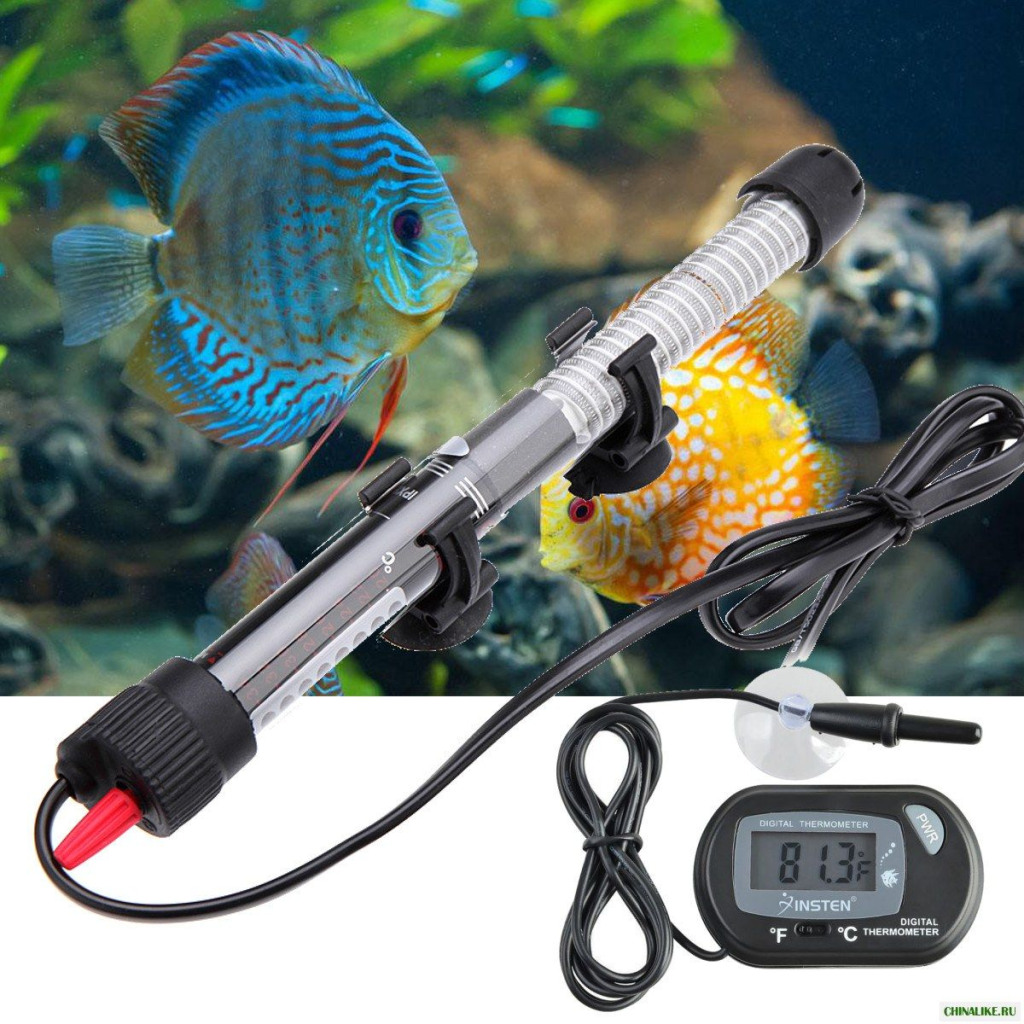
If you have a heater in your tank running normally, there is no need to change it when winter arrives; the heater will work to maintain the temperature it is set to. A glass heater will still bring your tank to the right temperature despite how cold it gets outside, accepting that it is the correct size for your tank’s litrage.If you normally run without heaters however, then it may be a good idea to install some or switch them on during autumn and winter to prevent it from getting too cold for your tropical fish. Use the manufacturer’s recommendations to check that your heater is big enough for your tank.
Treat with medication as needed
Fish under temperature stress can commonly suffer from fungal disease or white spot. Keep an eye out for these and treat with medication as needed.
Feed a nutritious diet
Boost the immune systems of your fish and ensure they are eating a quality diet. Frozen foods can also be a big help in adding vitamins and minerals to the diet. Click here to shop our wide fish food range. Fish enter periods of dormancy called “torpor” during the winter. This reduces their metabolism and makes it, so they need significantly less food in order to survive. Fish will either survive off the fat stores they’ve collected in the rest of the year or eat small meals in the way of underwater invertebrates.
Check water parameters
Eliminate any other stresses and ensure that your water quality is correct for the fish you keep. Purchase a quality testing kit and test your water regularly. To prevent issues, keep the tank clean and check that your filters are fully operational. To keep your aquarium environment healthy, you will also need to understand the nitrogen cycle, which is sometimes referred to as “biological filtration.”
A note on freshwater fish – Outdoor fish, such as koi, hibernate in winter and appear less active and lethargic at low temperatures. Their digestive system slows down, and since they do not have a stomach but a long intestine, it makes it challenging for them to digest food. It is advised that fish keepers to stop feeding their pond fish when the temperature drops below 10°C.
Ensure that the water in both ponds and tanks is clean and also do 10% water changes every other week to support a healthy ecosystem. Most fish simply school in the deepest pools and take a “winter rest.”
Sources: