

Our Doggies, our Bestest friends
1. Licking
We call it ‘giving kisses,’. Not quite the same as us humans, but their version of a kiss is licking the face and hands of the people they love. Licking is probably one of the more obvious ways in which dogs show their affection. That said, some dogs just are not into it. Do not take it personally if your dog is not a kisser.
2. Leaning
If you have ever felt your dog lean their full weight against your legs, they were showing you a sign of complete trust. This means your dog sees you as a protector. Your dog may do this for comfort when they are feeling scared, but when they lean against you during quiet times at home, it is the equivalent of a full-body hug.
3. Bringing you their toys
Presenting you with their prized possessions is a major sign of affection! They could be bringing you gifts since they see you as the head of the household. Or, if the toy is broken, they might see you as an intelligent being who can repair it for them – a sign that they trust you with this important task. Plus, wanting to play is a sign of puppy love!
4. Nudging you with their nose
Nose nudging can mean a few different things – hey, pay attention to me, pet me, or…I love you. Any one of those is a sign that your dog wants to be near you and wants physical contact.
5. Making a big sigh
Has your dog ever let out a big SIGH after they got really cozy next to you? Soft vocalizations, like sighs, groans, and the like are signs of contentment in dogs. When you hear your furry friend do that, it means they are happy!
6. Making eye contact
Long gazes are reserved for people we feel completely comfortable with. The same goes for dogs. In fact, maintaining eye contact with your dog helps deepen your bond. When your pup looks at you, their brain releases oxytocin. Known as “the love hormone,” oxytocin is the hormone that mothers’ brains release when they bond with their puppies.
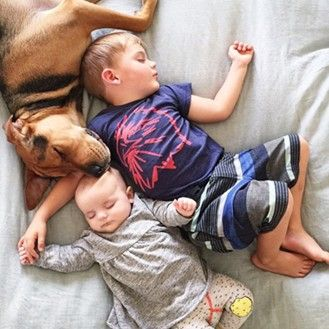
7. Sleeping near you
Dogs are descended from wolves. While they have been domesticated for thousands of years, some things have not changed. One of those things is their predisposition to sleep in packs for protection. If your dog feels the need to sleep in your bed, or at least in your room, it is because they see you as a member of the pack, a family member.
9. Following you around
Since they are pack animals, dogs always want to be with you. It is part of their genetics to follow you everywhere because they consider you a part of their pack. They also do it because they enjoy your company and might suffer from a little bit of FOMO (fear of missing out)!
10. Stealing your shoes and socks
If your dog raids your dirty laundry for your smelliest clothes, your stinky shoes, and your sweaty socks – yes, it is yucky, but – it is a sign of love. It shows that they missed you while you were away and just cannot get enough of your unique smell. The stinkier the better, apparently! It is okay to discourage this behaviour for the sake of your shoes and socks but just remember that your dog is doing it out of love.
Your Fierce Feline Friend, the Cat
1. Purring
Of course! Purring is something that pretty much every single cat does, but interestingly we know less about why cats make this noise compared with other noises they’re famous for (like hissing or chirping). The reality is that purring has many different meanings. Cats often purr when they are feeling relaxed, but they may also purr to self-soothe if they are feeling stressed or are injured. When kittens are born, mama cats purr, creating a vibration to guide kittens to mom’s nipple to nurse. Cats will also purr to socialize with other cats and communicate with their owners that they want something.
2. Showing its belly
Sounds familiar? Your cure furball stretches out and shows off his fuzzy belly, which makes you want to reach out and give him a little pat or affectionate scritch. Only this is met with a rescinded offer—perhaps even a batting of the paw or a light bite. Strange cat behaviour… When cats expose their bellies to us, they are saying they trust us. But when we take them up on this ‘offer’ by rubbing their bellies, they may retract it with a bite or a scratch, as it was only meant as a form of communication. You can look, but do not touch! If you establish even more trust you may be able to go in for the pets without reprimand, but be gentle and keep in mind this is a physical expression of trust more than it is an invitation. You may not recognize these subtle ways that your cat is showing affection.
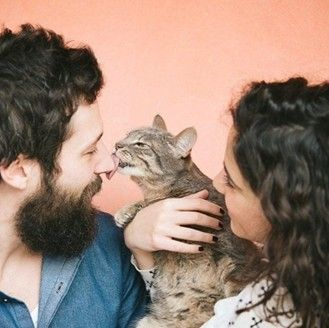
3. Licking you
Like your cat licking you with their rough tongue? A cat will lick their humans to show care and affection. When your cat licks you, they are creating a special social bond with you,” she says. “This licking behaviour stems from kittenhood, when a mama cat licks her kittens to groom and show affection. Some cats even love a big fat kiss from you too!
4. Bringing dead animals (or toys)
Got a dead mouse for Christmas? Cats are known to bring their humans dead bugs, rodents, and birds. Your cat may bring you a prey item—such as a toy or mouse—presenting it to you as a gift. This is your cat saying you are part of their pack and they want to make sure you are well fed! Other reasons they do this could include trying to
5. Kneading
Cat kneading goes by so many names: making biscuits, playing the piano, mashing potatoes, sleepy marching. However you refer to it, this cat behaviour is downright adorable! There is a reason cats do this, and it is not just to be extra cute. This behaviour is all about love and comfort. For example, a cat will knead its owner to show affection or knead a blanket to create that perfect comfortable spot to settle in for a nap. Kneading is also a self-soothing behaviour for anxious kitties.
6. Rubbing and head bobbing
This is one of those cat behaviours that every cat parent has seen a million times but perhaps isn’t quite sure what it means. Cats often rub against objects in your home, but they’ll also rub against you. What does this mean? They’re marking their territory, and that includes you. Cats have scent glands on their face that deposit unique identifying odours on the object they rub against. When they rub against you, they are affirming that you are part of their family.
7. Sloooooow Blinking
Eyes are said to be the windows to the soul, and cats use eye contact with their people to show adoration. Often, cats directly stare into the eyes of those that they trust and love. Cats will often make eye contact with lowered eyelids and steady, slow blinks. This is considered a feline version of a kiss, and you can even try slow blinking to show love back to cats.
8. Greeting You at the Door
Your cat is trying to show you that they missed you when they greet you at the door. This is often followed by walking in-between your legs and curling their tail around your legs. Sometimes it is also accompanied by meowing and “rattlesnake tail” behaviour, where your cat will shake their tail quickly. This is your cat’s way of welcoming you home. They may also be telling you something more important, like they’re ready to eat, they need fresh water, or their litter box needs to be cleaned, so be sure to check these things.
9. Following You
Cats often follow those they love and trust around the home. It is similar to the greeting at your front door, where they follow behind you and keep you in sight at all times. They may also weave around your legs. They either love you or just want more food! We will go with the love first!
10. Tail Language
Yes, cats often use their tails to express adoration for their pet parents. A content cat will often hold their tail in an upright position with a C-shape or hook at the very top. They may slowly wag their tail back and forth and allow it to touch you when they are lying next to you. Sometimes, cats will even rattle their tail while walking when they are very happy to see you. But watch closely if your cat is shaking and rattling their tail in front of a vertical surface, because this can also be a sign of urine marking.
Your Fluffy Bunny
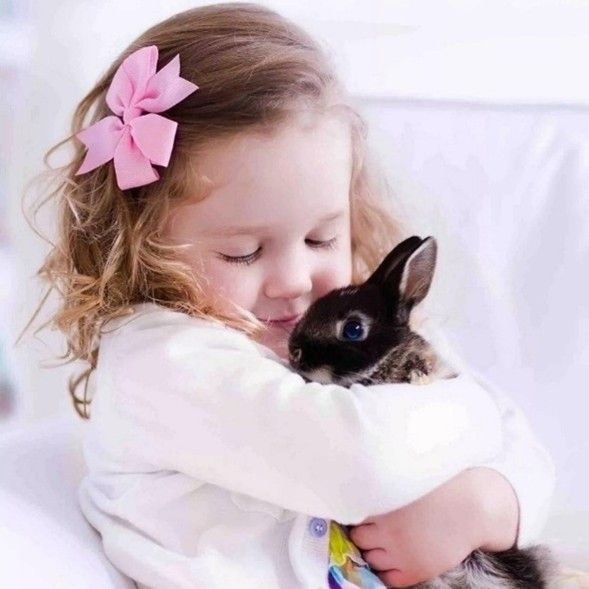
1. Nuzzling
Rabbits often nuzzle or gently nudge their humans with their noses. This action indicates trust and affection, as rabbits are social animals that establish bonds through physical contact.
2. Licking and Grooming
When a rabbit licks or grooms you, they are displaying affection, concern for your hygiene and well-being, and that they consider you to be part of their social group. Even having a rabbit grooming themselves in your presence should be considered a distinction of honour and a statement of trust. Grooming is a significant aspect of rabbit interactions, and reciprocating this gesture by gently stroking their fur can strengthen the bond. After you have built a good grooming routine with your rabbit, they will also recognize that process as you showing your love and concern for them in the same way.
3. Marking You as Their Property
Similar to licking and nuzzling, but with more of a territorial emphasis, a rabbit will mark things, people, or other animals as a way of claiming them. Using a scent gland located under their chins, rabbits will mark their territory to communicate to other animals “This thing is mine! Nobody else take it!”
4. Purring and Grinding Teeth
Like cats, rabbits often purr when they are content. They can also exhibit a behaviour known as tooth purring or tooth grinding. This occurs when a rabbit grinds their teeth rhythmically, often accompanied by closed eyes. This action indicates a relaxed and affectionate state. And do not worry about your rabbit’s teeth. As bunnies’ teeth grow so quickly, grinding can actually be a good way for them to help keep them filed down!
5. Stretching Out
When a rabbit lies down with their body stretched out, it is a pretty clear sign of comfort and relaxation. This vulnerable posture indicates that the rabbit feels at ease in your presence and implicitly trusts that you will not try to eat it. Like all known animals, the most reassuring feeling for a rabbit is – the confidence that they are not about to be eaten.
6. Lying Next to You
Rabbits that choose to rest or nap beside their human are showcasing a strong level of trust and affection. It is a way of seeking companionship and showing that they enjoy your company.
7. Leaning and Snuggling
Rabbits might lean against you or snuggle into your lap, indicating their desire for closeness. This physical contact is a demonstration of their attachment and comfort around you. They could have curled up on a fruit cushion somewhere or on your laptop, but instead they chose your lap. You should feel very loved.
8. Lifting Their Heads for Petting
When a rabbit nudges their head under your hand or lifts their head for pets, they are actively seeking your touch and attention. It is a way of saying they appreciate your affection and want more of it. To ask for a hug from someone, in any language is a clear statement that you value their affection.
9. Binkying
Binkying is an expression of pure joy. Similar to to popcorning in guinea pigs, or the butt waggle some dogs get, this particular display of happiness is unique to rabbits, and happens when they can’t physically contain the joy they feel inside. A ‘binky’ involves leaping into the air, twisting, and sometimes even kicking out their legs. When a rabbit binkies around you, they’re expressing happiness and excitement in your presence. This little fluff ball is practically erupting with happiness and you’re invited to the party. What could be better?
10. Following You Around
Like a younger sibling might follow their big brother or big sister, or cheering fans might follow a celebrity, your rabbit following you from room to room is a clear statement that: They think you are cool! They like your taste in music, activities, conversation, etc. It just feels good being around you…
Fish, yes…. Your Fish!
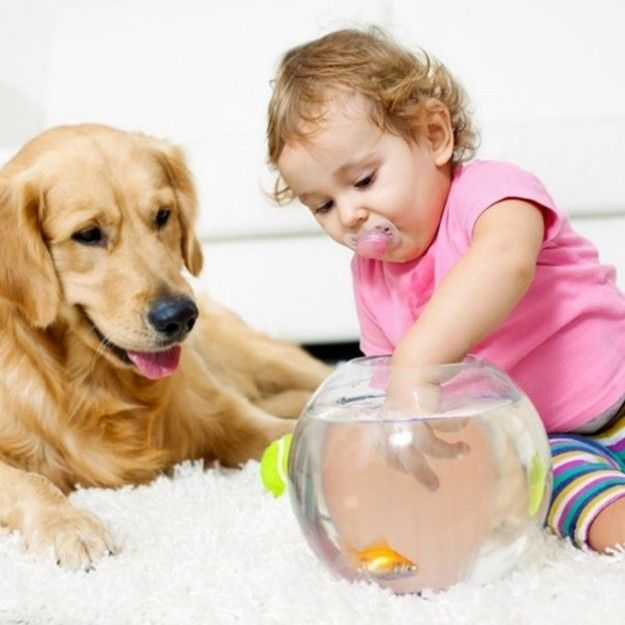
1. Pet fish often learn to recognize the person who feeds them. This can be simple operant conditioning. They are capable of remembering past social interactions that they’ve had with other fish, and they show affection by rubbing against each other just like other animals.
2. Huddling towards you when you walk close to a tank.
3. Following you around when you walk across a room where your aquarium is located.
4. Feeding directly from your hand.
5. Not panicking or moving away when you place your hand on the aquarium glass.
Your not so cold, reptile
Well, maybe they will not give you a kiss, but they can demonstrate trust.
They will move slowly when handled; snakes move quickly when stressed to avoid danger. If they are comfortable around you, they will be relaxed when picked up. If they do not hyper-focus too often; snakes who feel threatened will focus on what is in front of them such as prey or predator.
Sources : www.ensteinpets.com/ readersdigest.com.au/ petmd.com/ Quora.com/ guineadad.com