

Types of Fleas and Ticks
Fleas
• Ctenocephalides felis (Cat Flea): The most common flea found on both cats and dogs.
• Ctenocephalides canis (Dog Flea): Less common, but still a threat.
• Pulex irritans (Human Flea): Occasionally found on pets, especially in heavily infested environments.
Ticks
South Africa hosts at least 12 tick species that affect pets. Common types include:
• Rhipicephalus sanguineus (Brown Dog Tick): Found in warmer climates; known for spreading multiple diseases.
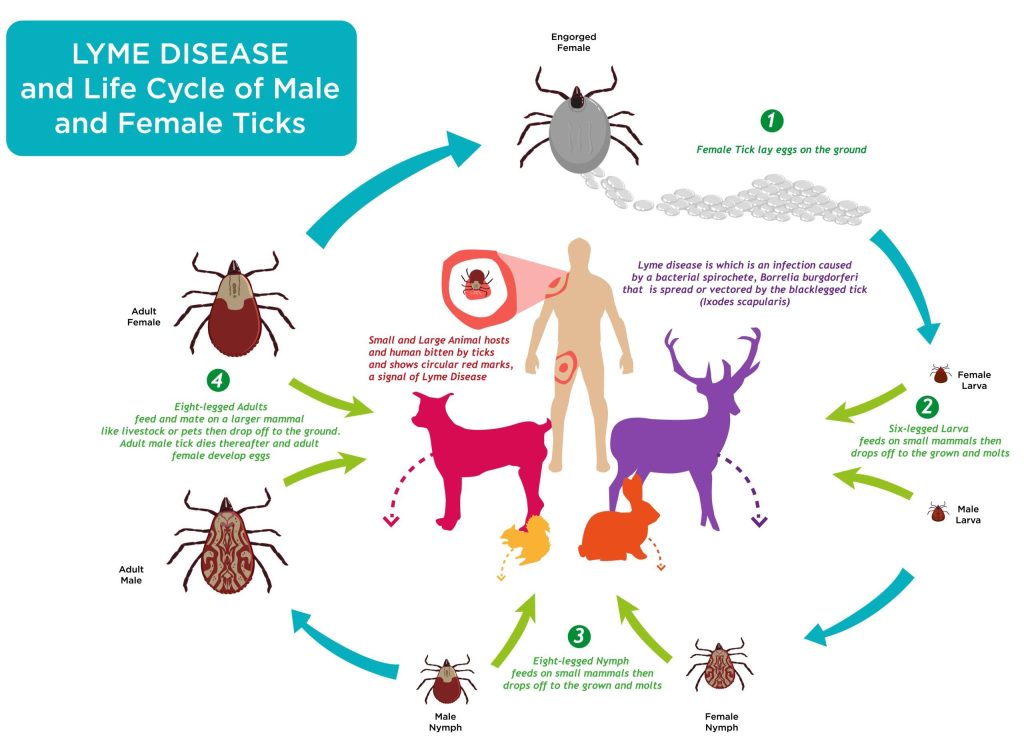
• Ixodes spp. (Black-legged or Deer Tick): Carrier of Lyme disease.
• Amblyomma spp. (Bont Tick): Known for transmitting Ehrlichiosis and causing tick bite fever.
• Haemaphysalis spp.: Often found on cats, especially around ears and eyes.
Diseases Caused by Ticks and Fleas
Flea-Related Diseases
• Flea Allergy Dermatitis (FAD): Allergic reaction to flea saliva causing intense itching, hair loss, and skin infections.
• Anemia: Fleas consume blood; heavy infestations can lead to anemia, especially in kittens and puppies.
• Tapeworms: Pets ingest fleas carrying tapeworm larvae during grooming.
Tick-Borne Diseases
• Lyme Disease: Causes fever, joint pain, and lethargy.
• Ehrlichiosis: Affects white blood cells, leading to bleeding disorders and immune suppression.
• Babesiosis: Destroys red blood cells, causing anemia and jaundice.
• Anaplasmosis: Leads to fever, joint pain, and neurological symptoms.
• Tick Paralysis: Caused by neurotoxins in tick saliva, leading to progressive paralysis.
Treatments for Pets
Flea Treatments
• Topical Treatments: Spot-on products like fipronil, imidacloprid, or selamectin.
• Oral Medications: Tablets such as nitenpyram or spinosad that kill fleas quickly.
• Flea Collars: Long-lasting protection using insect growth regulators (IGRs).
• Shampoos and Sprays: Useful for immediate relief but less effective long-term.
Tick Treatments
• Tick Preventatives: Products containing permethrin (for dogs only), fluralaner, or afoxolaner.
• Manual Removal: Use tweezers to remove ticks carefully, ensuring the head is extracted.
• Tick Collars: Provide continuous protection, especially in high-risk areas.
Always consult a veterinarian before starting any treatment to ensure safety and efficacy for your pet.

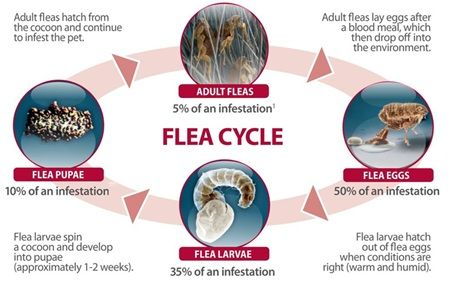
You can also disinfect and look after the environmental to lessen the risk of ticks and fleas. Fleas and ticks don’t just live on pets—they thrive in the surrounding environment. In fact, 95–99% of the flea population exists off the animal, in carpets, bedding, and outdoor areas.
Indoor Control
• Vacuum Regularly: Focus on carpets, furniture, and pet bedding. Dispose of vacuum bags immediately.
• Wash Pet Bedding: Use hot water weekly.
• Use Environmental Sprays: Products with IGRs like methoprene or pyriproxyfen disrupt flea life cycles.
• Dehumidify: Fleas thrive in humid environments; keeping your home dry helps reduce infestations.
Outdoor Control
• Yard Maintenance: Keep grass short and remove leaf litter where ticks hide.
• Outdoor Sprays: Use pet-safe insecticides in shaded areas and around pet resting spots.
• Limit Wildlife Access: Fence off areas to prevent wild animals from bringing ticks into your yard.
Prevention Tips
• Year-Round Protection: In South Africa, mild winters allow fleas and ticks to survive year-round.
• Routine Checks: Inspect your pet’s coat regularly, especially around ears, neck, and paws.
• Vet Visits: Schedule regular checkups and discuss parasite prevention plans.
Ticks and fleas are persistent, but with an initiative-taking approach, you can protect your pets and your home. If you’re battling an infestation, remember: treating your pet is just the beginning—your environment needs attention too.
Sources:
https://www.webmd.com/pets/ss/slideshow-flea-and-tick-overview
https://pages.vetdirectory.co.za/jhbspca/fleas-and-ticks
https://www.petmd.com/cat/conditions/infectious-parasitic/6-types-tick-borne-disease-cats