The Pool Bean Bag features local craftmanship, is eco-friendly and it is easy to keep it looking new. So, whether you want to relax, looking for a place to keep your drinks on whilst cooling off (floating bar rolling in!), or just want to enjoy reading a book while you get a tan as well, the Pool Bean Bag is perfect!
Key Features include:
Ultimate Relaxation: Designed for maximum comfort and relaxation in the pool.
Local Manufacturing: Proudly manufactured in Durban,
The Pool Bean Bag consists of a double bag. Both made from high-quality materials:
Inner Bag: Made from Trilobal fabric and filled with a recycled polystyrene regrind.
Outer Bag: Made from UV-resistant 100% polyester fabric.
Not only is this bag stylish and funky, it is also easy to care for.
Ease of Maintenance:
Outer Bag: Removable and washable.
Inner Bag: Refillable if necessary.
Weight Capacity: Can support up to 120 kgs
How to clean? Rinse with cold water, leave to drain, and when completely dry, store out of direct sunlight.
What do you give the person that already has everything? Give them a Pool Bean Bag!
As part of the Valemount family, Westerman’s has flourished, expanding to four regional distribution and manufacturing centres across South Africa. This growth has also created employment opportunities for over 200 dedicated individuals, contributing to their mission of excellence in the industry.
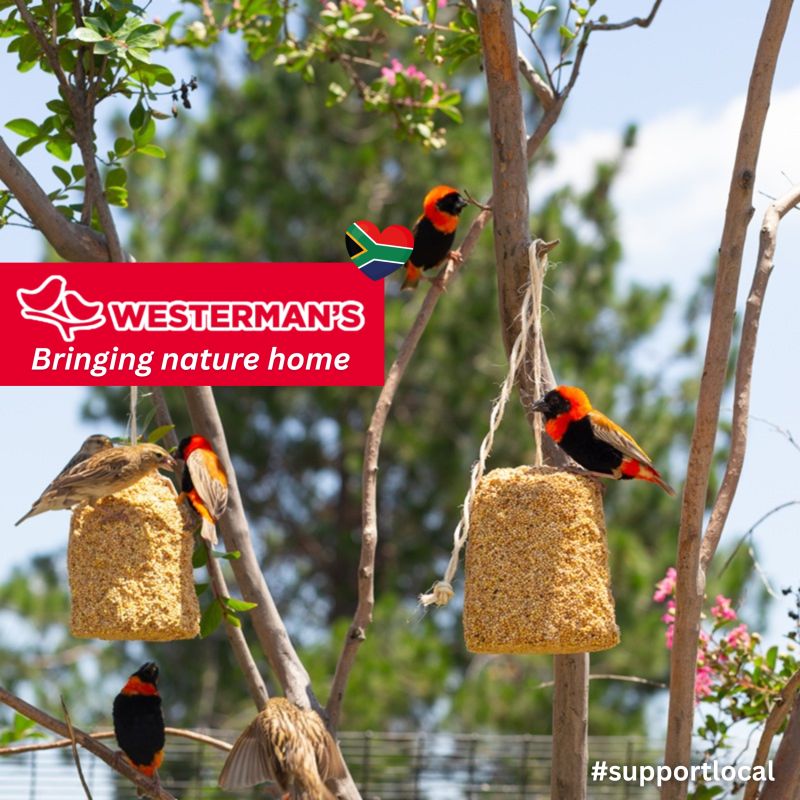
At Westerman’s, their mission goes beyond being bird seed suppliers. They strive to bring the love of birding into your home, offering education and nourishment for wild birds and pets alike.
They provide everything you need to attract beautiful wild birds to your garden, bringing nature right to your doorstep. Their aim is to help bird lovers everywhere enhance their experience of birding and wildlife activity in any season.
Wild & General Bird Seed
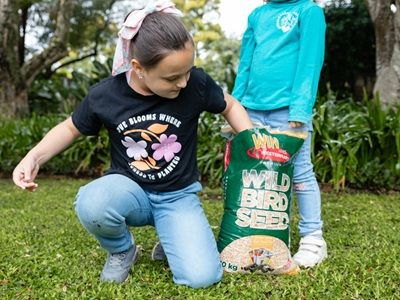
Discover our range of bird seeds designed to meet the needs of wild birds that visit your garden. Our classic Wild Bird Seed mix features millet, sorghum, fine crushed maize. This blend is perfect for inviting wild birds to your garden, making it a popular choice among bird enthusiasts. Available in 1kg, 2kg, 5kg, 10kg, 25kg, 50kg, and even a 7.5kg value tub or seed bell, there’s an option for every need and budget. Explore our extensive range of seeds and feed options, tailored to support diverse needs and preferences.
Suet & Bells
Discover our range of suet products and seed bells designed to appeal to a mix of wild birds to your garden. Our suet balls contain vegetable fat and assorted grains, making them an irresistible treat for many bird species. Available in bulk packs of 12 x 250g, these suet balls are perfect for regular bird feeding.
Pet Bird Seed
Discover our wide range of pet bird seeds tailored for various birds. Our Parrot Mix includes striped sunflower, red sorghum, yellow maize, parrot biscuits, oats, and unshelled peanuts, available in sizes from 1kg to 25kg.
Seed feeders
At Westerman’s, our bird feeders are crafted to make bird feeding a delightful and rewarding experience. Explore our collection and find the perfect feeders to welcome and care for the birds in your garden.
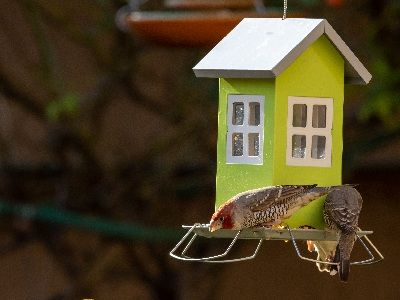
Our seed feeders are perfect for filling with loose seed and appealing to a diverse array of wild birds. The Large Black House Feeder and Small Seed Feeder are excellent choices for those who want to offer a generous supply of seeds. For a pop of colour, consider the Small Blue House Feeder or Small Yellow House Feeder, which not only provide food but also add a decorative element to your garden. The Wall Seed Feeder is designed to be fixed to an outdoor wall, making it a convenient option for those with limited garden space.
Suet Feeders
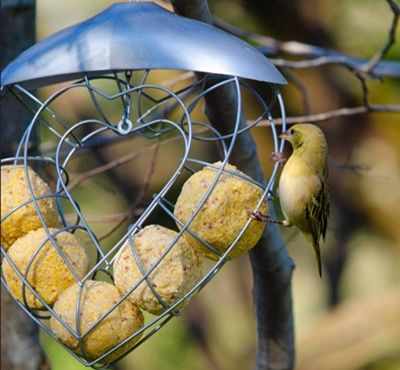
Suet feeders are ideal for providing energising suet balls that attract an array of wild birds. The Large Suet Ball Cage can hold two large suet balls, ensuring your visitors have a consistent food supply. The Suet Feeder and Suet Feeder Ring are designed for easy hanging, making them versatile additions to your bird feeding setup. For those who prefer a different format, the Suet Slab Cage offers a unique way to present suet slabs to birds.
All our bird feeders are designed with both functionality and aesthetics in mind. They are easy to fill, clean, and maintain, ensuring that you can enjoy watching birds without the hassle. The diversity in our collection means you can mix and match feeders to create a comprehensive bird feeding station that meets the needs of different bird species.
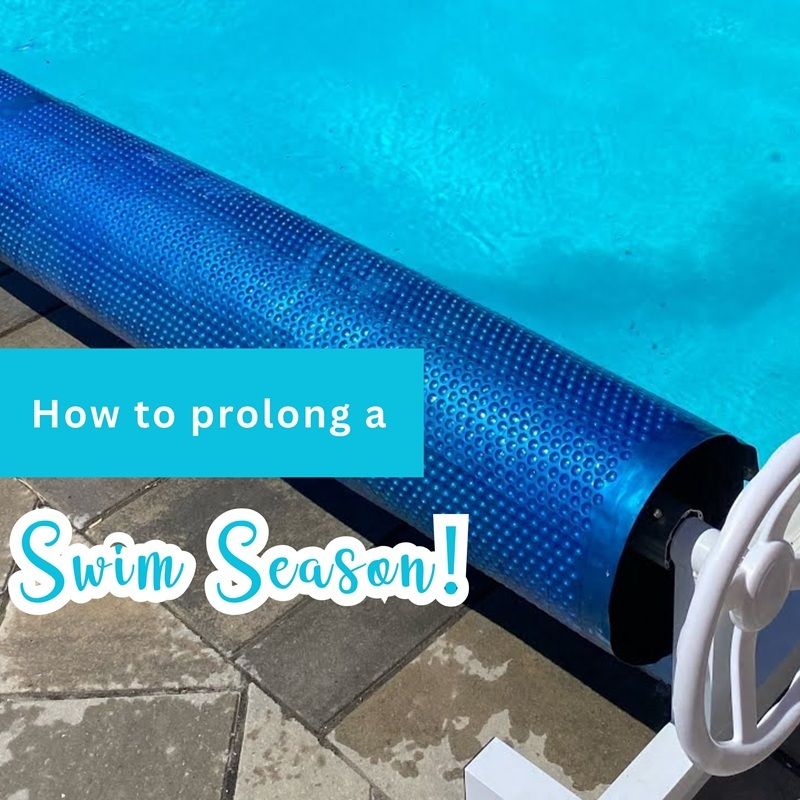
The GeoBubble Solar Blanket is specially designed to absorb and retain the sun’s warmth. Even in cooler months like early spring, it draws in solar energy during the day and locks in heat at night -raising your pool’s temperature by 6 to 8°C.
This means that even if the air is a bit crisp, your pool water stays warm and inviting. It’s perfect for that in-between time when it’s not quite summer yet, but you’re itching for a swim.
Why it’s a smart move:
More swim days means more value from your pool. Rather than a short summer burst, you’re getting months of extra use.
Better heat retention – If you use a pool heater, a solar cover can significantly reduce heat loss overnight, meaning your system won’t have to work as hard (or as long) to maintain your desired temperature—resulting in lower energy bills.
No more chilly surprises – That early morning dip won’t be a shock to the system when your pool stays warmer, long.
Plus, all the other benefits!
Stops over 98% of evaporation = huge water savings
Keeps dirt, leaves, and bugs out, which means less cleaning
Reduces chemical use and helps maintain chlorine stability
Makes your pool more energy-efficient and eco-friendly
Delivers noticeable savings on electricity, water, and pool chemicals
Comes with a protective cover for easy storage when not in use
Not everyone likes the look of a cover on their pool, but it’s the best way to protect your pool in winter (and summer, for that matter!). Not only does a winter pool cover reduce evaporation of water and chemicals, but they also stop debris from throwing off the water balance or clogging up your filter.
Also, if you’re looking for a way to kick-start your swimming season early or stretch it into the cooler months, a thermal solar blanket is an essential investment. It’s the easiest upgrade you’ll ever make and one of the most rewarding!
Brit Premium by Nature, brings you a wide range of dog and cat food, consisting of wet and dry food, as well as treats. The brand caters for all life stages, taking into consideration even the fussiest eaters.
Brit is one of the few products that:
Is highly digestible
Respects the difference between breeds
Carefully selects their natural ingredients
Has a low gluten content
Uses a Ziplock bag for longevity
Has up to 55% of protein in each bag!
Brit respects the diversity among different breeds and ensures fantastic digestibility and flavour with ingredients like:
Collagen, crustacean shells and green-lipped mussels which are natural sources of chondroprotective for joint, tendon and cartilage health.
Salmon oil, which is rich in omega 3, and which helps with maintaining a healthy coat, skin and prevention of cardiovascular disease.
Select fruits and herbs like chamomile, cloves, citrus and dried blueberries, which provides natural immunity and ensures excellent digestion.
Canine range
The Brit dry dog food has an extensive range from junior to adult, to senior (small to large breed). It also includes a ‘lite’ option. Depending on the type of food, bags are available in 1kg, 3kg, 8kg and 15kg bags. Only using natural ingredients, rich in deboned chicken and perfectly balanced, you can be sure that your dog will receive the best nutrition.
Digestive issues? Try the Brit Lamb & Rice.
Need weight control? Try the Brit Turkey & Oats.
For your puppy or senior dog that might struggle with jaw issues, or if you just want to give them a tasty treat, Brit offers a delicious range of goodies for your dog. From wet food cans to a savoury sausage. Brit Premium by Nature canine cans and sausage is an ideal addition to kibbles as a complete food or snack, or to add extra flavor to kibbles for dogs of all breeds.
Feline range
It is true that cats can be quite fussy when it comes to food, so it is fitting that the Brit dry cat food has six great flavours and caters from kitten to adult (including an indoor and sensitive option) to senior cats. Brit caters to all their fussy wants and needs. Just like the dog food, the ingredients for the cat food have been carefully chosen to elevate your cat’s standard of living. In addition to those ingredients are:
Apple fibre which combats digestive issues as well as hairball prevention.
Taurine which ensures proper heart, eye, and brain function.
As well as an assortment of dry kibbles, Brit provides a variety of pouches, cans, and treats. Each of these items comes with their own set of benefits from hairball, dental, and calming, to urinary care.
Cities and countries worldwide are aggressively addressing the animal overpopulation crisis and areas that are efficient in doing so have reported drastic reductions in the numbers of animals being taken into animal shelters and euthanised. It all starts with you and your community, so spread the word about pet sterilisation.
Support local community drives, such as the drives that Pet & Pool form part of.
What is spaying and neutering of cats and dogs?
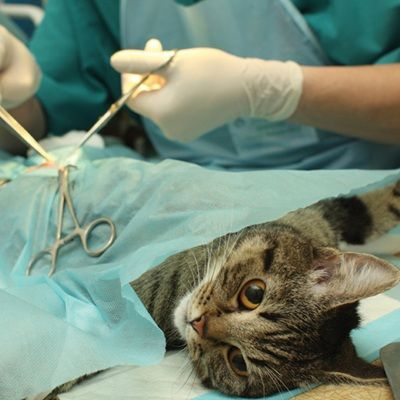
Sterilisation (spaying or neutering) is when a qualified veterinarian performs a surgical procedure involving removal of a pet’s reproductive organs.
Sterilisation in both male and female cats and dogs has many far-reaching benefits, namely:
Improved longevity and avoidance of unplanned litters includes:
Sterilised pets are less susceptible to contract some diseases such as Feline Immunodeficiency Virus in cats or the Transmissible Venereal Tumour virus in dogs.
Having your female cat or dog sterilised at an early age can further protect them from the later onset of critical health issues such as urinary infections and mammary gland cancer, which are found to be malignant in approximately 50 percent of dogs and 90 percent of cats.
Elimination of hormone-induced moodiness and uncomfortable, stressful symptoms associated with heat cycles.
Reduction of the frustrating behaviours of heat cycles, such as yowling and inappropriate urinating around the home.
Neutering male pets may reduce certain behavioural problems related to the instinct of mating. This ensures they are far less likely to perform a Houdini-style escape from home to roam in search of a female mate, thereby reducing the chance of them being run over by a vehicle or getting into fights with other animals.
Altered males are less inclined to mark their territory around the home by spraying a strong scent over all your household belongings. This should also eliminate the instinctive need to mount people, other dogs, and non-living objects.
Neutered males have a reduced chance of developing prostate and testicular cancer, thereby enhancing their quality and quantity of life.
Remember, whilst sterilising your male pet reduces their testosterone levels, there is no guarantee that their unfavourable behaviour will improve. This is because they may have become accustomed to certain learnt behaviours and there is the possibility that these habits will continue if left unchecked. At the end of the day, the outcomes of neutering are influenced by your pet’s unique character, biology, and history.
In South Africa, over 40 million South Africans rely on animal welfare organisations to support their pets, however these establishments are under immense strain being only able to assist a segment of this population, thereby leaving innumerable animals without any access to basic veterinary care.
To further aggravate the situation in South Africa, the following statistics were published by Statistics South Africa Census 2012, Eighty20 (SAARF Living Standard Measures 2012), South African Veterinary Council (SAVC 2012), World Society for the Protection of Animals (WSPA 2008), Animal Welfare and Private practices 2012, and South Africa Mass Animal Sterilisation Trust (SA.MAST) :
It’s been reported that South Africa has a grave scarcity of specialist surgeons, with only twelve practicing in the entire country. This problem is further exasperated by the fact that less than one surgical specialist is allocated per major city outside of Johannesburg and Pretoria. This amounts to approximately 870 000 homed dogs and cats for every surgeon. Older surgeons and veterinarians are also retiring from private and animal welfare practices, thereby causing a shortage of mentors to teach new graduates.
This explains why millions of innocent dogs, cats, puppies, and kittens are euthanised every year, due to the shortage of both loving homes to take them in and people without access to animal welfare services. Sterilisation is the affordable, simple solution to saving millions of animals from a life of struggle with hunger, thirst, neglect, abuse or euthanisation in animal shelters because they never get adopted. As responsible pet parents, you can make the difference by sterilising (spaying or neutering) your pets to ensure no unplanned litters occur.
Why are sterilisations costly?
According to a well-known vet in Pretoria, Dr Lizel van der Merwe, it costs a lot to run a veterinary practice. Costs such as medicines, equipment, and even the oxygen for anaesthetics cost money. Then there are staff salaries, etc.
For female animals, it is quite a big operation (a hysterectomy) and carries the risk of haemorrhage if not performed properly. Sterilising the male cat is simple and carries minor risk.
Sterilising the male dog is also simple, but there are many post-op complications, from swelling to licking. The professional time taken can vary from what is anticipated and follow-up examinations are preferable, especially if the client is less educated in animal health and welfare.
Most vets do pro bono work on an ad hoc or organised basis, often linked to rescue centres. But this is on an individual basis.
Every day vets are confronted with people who are unable to pay their bills, and this is one of the major stressors of their jobs. They must draw the line, otherwise their businesses will no longer be viable. Most of the vets are discounting clients’ accounts every month, just so that they do not end up euthanizing patients that could otherwise survive an illness or procedure.
As far as paying off goes: Well, let’s just say that many people promise that and then you never manage to get them to pay their bills.
There are many non-profit organisations where people can go to have their animals sterilised for little or even for free, such as your local animal welfare organisations or the Community Vet Clinics (CVC), which are managed through the South African Veterinary Association (SAVA). Find them at www.vetassociation.co.za.
If you contact your local veterinarian, you may find someone who is prepared to do pro bono work for a destitute case. But it is unfair to expect the veterinarian to help everyone. Some practices have a “fund” for needy cases and use that which is set aside to pay for costs not recovered, but there is a limit to this fund.
Sometimes it helps if people are willing to even pay half of the fee upfront just so that basic costs are covered. There is a responsibility on the owner and the veterinarian to try to come up with a plan.
As a pet owner you can save up a small amount each month for sterilisation and use that as a deposit or take out medical pet insurance; or find a cheaper alternative practice. Pet & Pool partners with Dotsure, who offers a variety of plans to assist. You can find more information at www.dotsure.co.za.
Be responsible and educated!
Will altering my pet affect their weight?
The process of spaying or neutering has been known to reduce the quantity of sex-related hormones which may lead to a decrease in a pet’s metabolic rate, but a lifestyle of regular exercise and a healthy diet will ensure your pet is kept slim, fit, and shapely. A pet’s age, breed and level of activity are also factors when taking dietary concerns into account. Portion servings and exercise regimes will need to be adjusted accordingly as your pet gets on in years and depending on whether their breed is prone to weight gain.
How can you teach your children about “the miracle of birth”?
There is a wealth of information available in the form of books, videos, and online programmes to responsibly teach your children about reproduction. Allowing your pet to breed is not only teaching your child to be reckless, but it’s contributing to the current calamity of countless pets dying in shelters because there’s a deficit of loving homes for the rapidly growing population.
Is sterilisation safe?
Spaying or neutering of pets is the most performed surgical procedure conducted by veterinarians. Your furry friend will receive a general anaesthetic during the procedure and pain medication to manage any associated pain, thereafter, thus experiencing moderate pain and discomfort. The occurrence of complications resulting from these procedures is very low.
What is the best age to spay or neuter my pet?
It is always best to consult your veterinarian about when the most appropriate age to sterilise your pet is as this could vary between breeds, ages, and individual health statuses, however, most veterinary practices will only sterilise your pet after they are 6 months old.
What are the costs involved?
If your pet produces offspring, you are then responsible for the wellbeing of the wee ones. Sterilising your pet is a far more cost-effective solution than having to care for a litter of pups or kittens. Many animal welfare organisations and shelters offer free sterilisations to make the procedure more accessible for pet parents to do the right thing.
Pre-Surgery Tips
Your vet will give you the necessary information required regarding preparing your pet for surgery. They will probably insist that your pet fasts the night before undergoing anaesthesia, but instructions may differ for younger pups and kittens, so ensure you are given accurate instructions pertaining to your pet’s individual set of circumstances.
Post-Surgery Recovery Tips
It is best to keep your pet indoors overnight, in a peaceful place away from noise or other pets until the anaesthetic has fully worn off. Pets that have not fully recovered and are left to roam may not be as quick to react in a dangerous situation and may come to harm.
Ensure your pet doesn’t jump and run for approximately 10 days after the operation, or for as long as your physician suggests.
Ensure the incision remains free from infection by preventing your pet from licking it. This can be done by offering them treat distractions or using an Elizabethan collar.
Don’t bath your furry pal for at least 10 days after the operation.
Conduct daily inspections of the incision to ensure efficient healing.
Consult with your vet if you notice any of the following:
The incision is red, swollen, open or producing any discharge
If your pet is unusually lethargic, has a reduced appetite, is vomiting or has diarrhoea.
What can you do to help?
Addressing the overpopulation of stray dogs and cats is a complex issue that requires a multifaceted approach. Here are several strategies that have been effective in various communities:
Spay and Neuter Programs: One of the most effective ways to control the population of stray animals is through spaying and neutering. Programs that provide low-cost or free spay/neuter services can significantly reduce the number of litters born each year.
Trap-Neuter-Return (TNR): For feral cat populations, TNR programs involve humanely trapping stray cats, neutering or spaying them, and then returning them to their original location. This helps control the population while allowing the cats to live out their lives without contributing to further breeding.
Adoption and Foster Programs: Increasing the visibility of adoptable pets through shelters, rescue organisations, and community events can help find homes for strays. Foster programs can also temporarily house animals until they find permanent homes.
Public Education and Awareness: Educating the public about responsible pet ownership, the importance of spaying and neutering, and the consequences of abandonment can help reduce the number of animals that become strays.
Legislation and Policy Changes: Implementing and enforcing laws regarding pet ownership, breeding, and abandonment can help address the issue. This may include licensing requirements, limits on the number of pets per household, and penalties for neglect or abandonment.
Collaboration with Community Organisations: Partnerships between local governments, animal shelters, rescue groups, and community members can create more effective strategies and resources for managing stray populations.
Creating Safe Havens: Establishing designated areas where strays can live safely, receive food, and be monitored for health can help manage populations without resorting to euthanasia.
Funding and Resources: Ensuring that shelters and rescue organisations have adequate funding and resources to carry out these programs is essential for their success.
While there is no one-size-fits-all solution, a combination of these strategies tailored to the specific needs of a community can significantly reduce the overpopulation of stray dogs and cats.
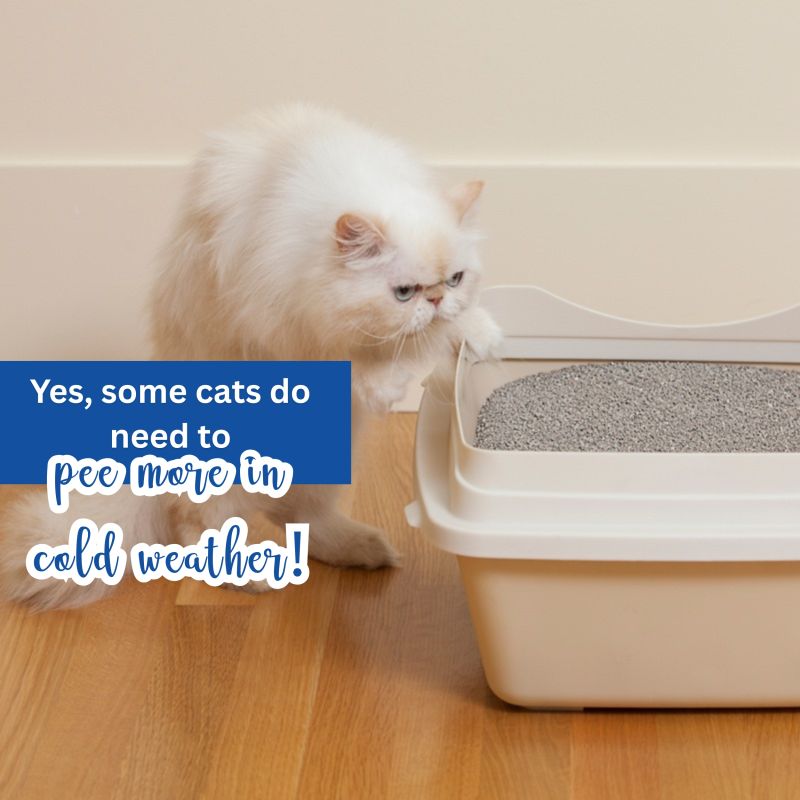
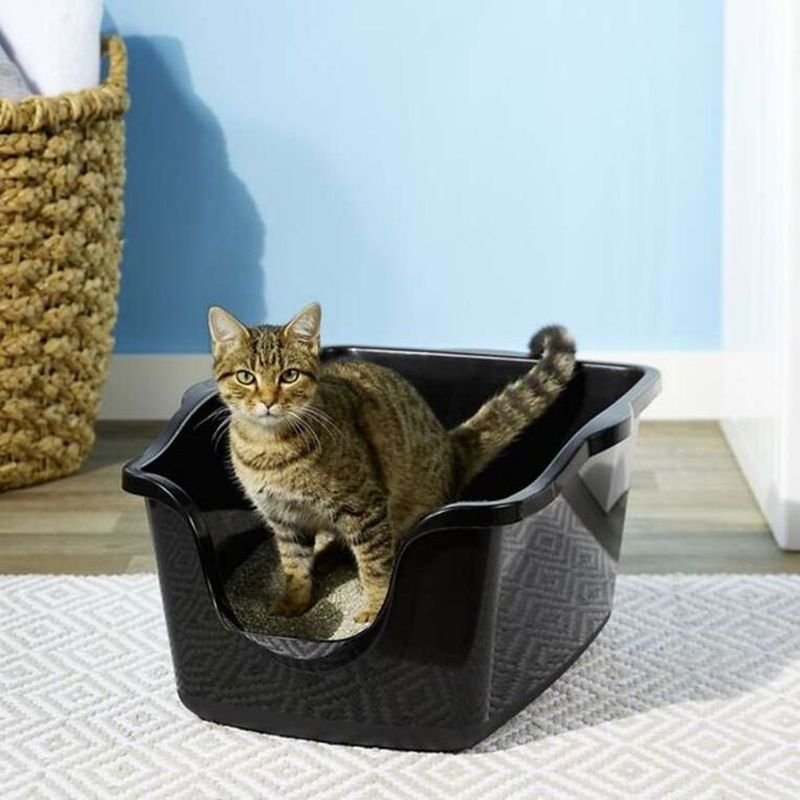
As cats age, they may experience stiffness in their joints or arthritis, making it harder to get outside and do their business. During the winter, cold weather can worsen joint pain, so having a low-entry litter box that’s easy to step into ensures they don’t have to struggle or experience any physical stress. Similarly, kittens may be reluctant to go outside into cold weather, so having a shallow, low-sided box helps them get in and out easily, reducing stress and promoting good litter box habits from an early age. Without regular outdoor trips, your cat may urinate more often or hold their waste longer, which can cause odour build-up in the litterbox as well, and the colder weather might also lead to less ventilation in the home, trapping smells inside.
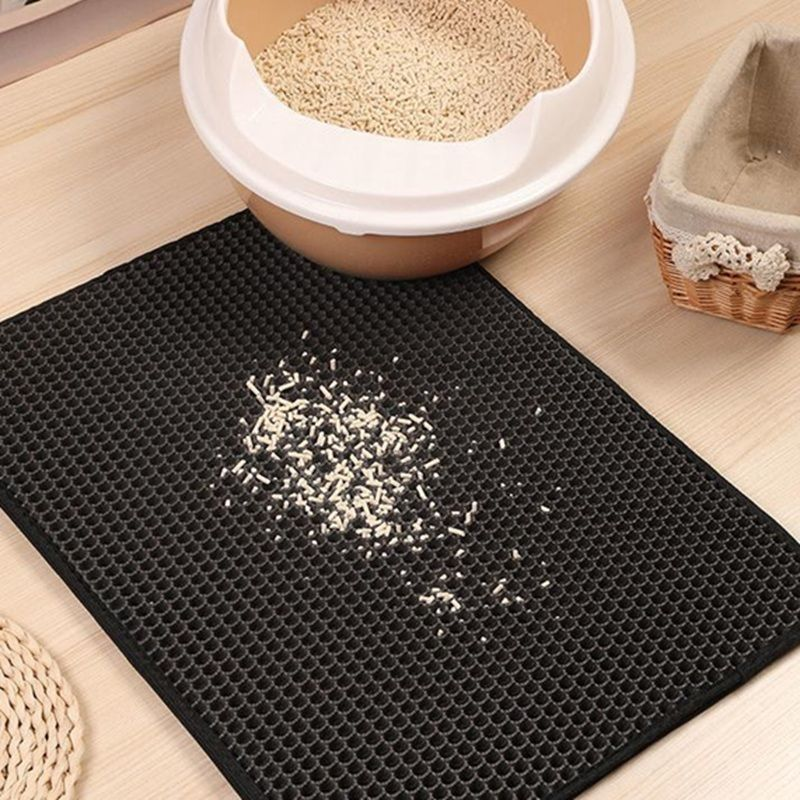
For kittens, consistent exposure to a clean, fresh-smelling litter box encourages positive habits, and if a box becomes smelly, they may avoid it, leading to accidents around the house. Odour sprays designed for litter boxes neutralize unwanted smells, keeping your home fresher during winter. This is important for elderly cats, who might urinate more due to age-related health issues. During winter, cats tend to spend more time indoors, meaning more frequent use of a litter box, resulting in litter tracking. During colder months, some types of litter might stick to the fur and paws more easily. Track mats placed around the litter box can capture most of the litter that sticks to their paws before it’s spread throughout the house. This helps to keep your home cleaner during winter when it’s harder to keep floors dry and clean. Track mats also help elderly cats with reduced mobility by reducing the need to constantly clean up after every trip to the litter box. With the mats catching the litter, your senior cat can continue using the box without worrying about slipping on scattered litter or dragging it around the house.
Additionally, the mats provide a soft surface under their paws, offering some comfort on cold floors, which can be hard on older cats with joint issues. Kittens often create a mess when they first use the litter box, and track mats can help contain the litter they scatter. Not only does this reduce cleanup, but it also ensures that the kittens aren’t dragging litter all over the home, which can be a source of frustration for owners. To keep it simple: less mess, less stress, and a lot more purrs. With a little winter prep— accessible litter boxes, fresh scents, and track mats—your cats will have everything they need to stay happy and healthy, no matter how cold it gets outside. It’s the ultimate cosy combo for both senior cats and playful kittens!
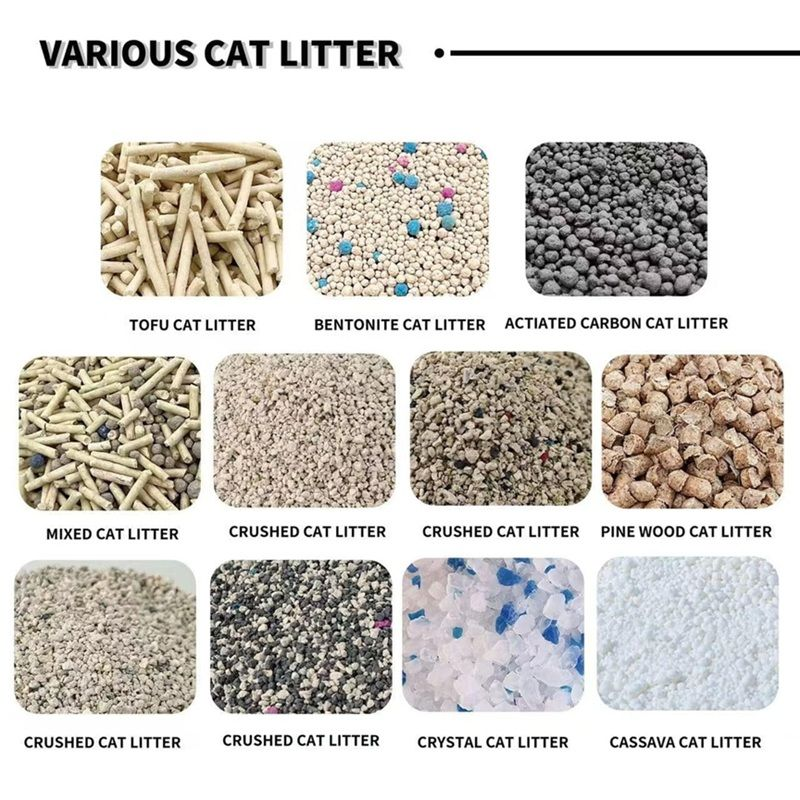
Different kinds of cat litter
If you’re a cat owner, you know how many types of litter there are. Among the contenders are clumping and non-clumping litter. How do you choose the right one for your whiskered kitty?
The difference between clumping and non-clumping litter
Clumping litter has the ability to form clumps when it encounters even the slightest touch of moisture. As soon as your cat uses the cat litter tray with clumping cat litter, and as soon as their waste finds its way into the litter, the clumping litter, often armed with bentonite clay, reveals its absorbent properties. The litter begins to bind together and form solid clumps that are easy to identify and remove. Clay, with its absorption powers, is a very good option.
Non-clumping litter doesn’t possess the innate ability to form clumps. Instead, it takes a different approach to combat the liquid onslaught within the litter box. This type of litter is often crafted from materials like silica gel, recycled paper, or natural fibres.
Silica gel, with its tiny granules reminiscent of sparkling crystals, acts as a super-absorbent sponge to lock away litter box smells. It soaks up the cat waste, trapping it within its microscopic pores and preventing it from spreading throughout the litter pan. The litter box remains tidy and dry, even in the face of moisture challenges.
There are distinctive benefits and drawbacks that each type of litter offers.
Clumping litter is beneficial because it forms compact clumps that can be easily scooped out. This clumping action also makes cleaning a breeze, saving time and effort for busy cat owners.
Some clumping litter may leave tracks around the house, turning your living room into a sandy beach. Keep that vacuum handy!
Non-clumping litter has many advantages that may surprise you as a cat owner. It tends to be more cost-effective than the clumping litter. This affordable option can be a lifesaver for budget-conscious cat owners who want to keep their kitties happy without spending too much. It will require more frequent cleaning since clumping litter allows for the targeted removal of soiled clumps. However, by fully replacing the litter more frequently, you ensure optimal cleanliness and odour control. So, although it may require a bit of additional scooping and changing, the result is a fresh litter box that contributes to a healthier and happier environment for your feline companion.
Cat litter is not a “one-size-fits-all”. The choice between clumping and non-clumping litter depends on your cat’s unique needs and preferences, as well as your own.
Consider the cost considerations: non-clumping litter’s affordability makes it a cost-effective option that won’t pinch your pockets. The litter your cat prefers: observe their preferences, experiment with different litters, and listen to their litter box feedback.
Here are four tips for you to consider:
Cat’s age and health:
Kittens, senior cats, or those who like non-clumping litter.
Personal Preferences: Observe how your adult cat interacts with different cat litter textures. Some cats may have a particular affinity for certain materials, such as silica gel.
Litter Box Hygiene: Regularly cleaning the litter box and maintaining a fresh supply of litter is crucial.
Trial and Error: Don’t be afraid to experiment with different types of cat litter until you find the purrfect match for your finicky feline.
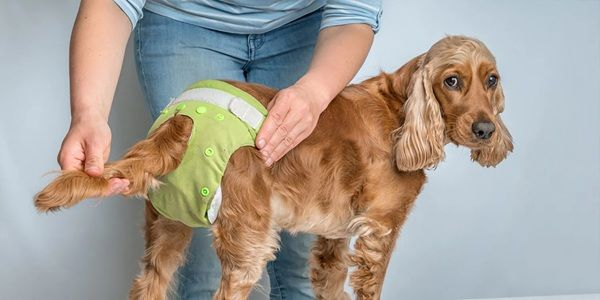
Older dogs may experience age-related health issues that can be aggravated by the colder weather like arthritis which affects a dog’s ability to get to an area to excrete. Training mats and doggy diapers provide a convenient and hygienic solution for little accidents.
Elderly dogs also may have difficulty navigating wet and slippery surfaces, making it hard to reach their usual potty spots where training mats offer a warm and comfortable alternative indoors. For older dogs who might be on certain medications that increase urine production or cause accidents, training mats and doggy diapers help manage these situations.
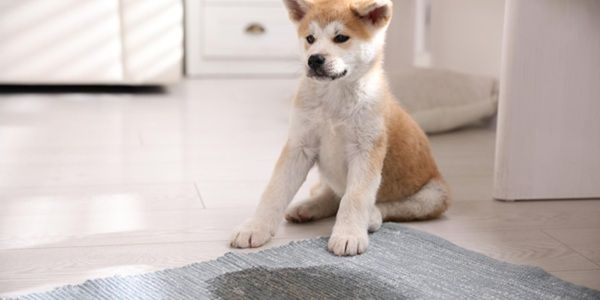
Training a puppy in the winter can be hard due to the colder wet weather. Puppies are still learning to control their bladder and bowels. Senior animals might also have issues going out in the cold to “do their business” or their owners might just be too lazy! Training mats and doggy diapers provide a designated area for them to do their business, if they are reluctant on leaving the warmth of the house.
Puppies also have small bladders and can’t hold their urine for long periods and in the colder months with rain and low temperatures this could cause an accident in the house. Training mats offer a convenient solution to prevent. Winter weather can be harsh, making it difficult to take puppies outside for potty breaks. Pee mats provide a warm and comfortable alternative.
Training mats and diapers are easy to use and clean, making them a convenient solution for dog owners. They reduce the mess and stress associated with cleaning up after your dog as well as the hassle of cleaning up after an accident. They provide a clean hygienic area for your dogs to their business helping to prevent any unwanted health issues, such as a urinary tract infection.
Also have some odour control products available just in case there is an accident!
Top tips when assisting/training your puppy or senior dog
1) Our dogs love to follow us. By heading outside yourself your doggie is more likely to do the same and follow you. Give them plenty of positive encouragement and reward them just for going outside when it’s very cold, raining or snowing (yes, that happens in South Africa too!) .
2) Clear an area for them to “do their thing”. If you’ve had some wet weather, frost on the grass, or even snow, clear an area close to the house where your dog can go to the toilet. Deep snow can be daunting for puppies as well as very cold ground and frost, and this can make toilet training a puppy in winter a real challenge.
3) Have a backup plan when the usual does not work or cannot work. Have everything together just in case your dog needs to go out in the middle of the night or with little to no warning. Have your shoes and coat, a lead, poo bags etc. on hand, so you can be ready to get out as fast as possible. Or, set up a pee pad or sod of grass in the garage, undercover carport or veranda, which they can use too. You can also try and use doggy diapers, especially in the evenings.
4) Stay calm and consistent when going out into the cold, and be reassuring. Just carry on as normal and reward and praise your dog for following you outside.
5) Make toilet training a bit of fun too. Show your pup how much fun you can have in the winter. Keep it short at first, and gradually make play time longer, weather depending! Remember dogs can get frostbite too!
6) Have a back up plan for when your dog refuses to go outside. Use an indoor toilet area, potty pads, puppy pads for pups and diapers for senior dogs. Use this as long as the weather is really uncomfortable. Go back to a normal routine as soon as the weather allows.
Like us humans, our pets have internal biological clocks, also known as circadian rhythms, that help them respond to changes in the environment, such as the amount of daylight and temperature fluctuations. This influences their behaviour and can also affect their health. These changes bring about e.g. more naps, eating habits might change, and their energy levels might decrease. Domesticated cats will sleep more, but will preserve some of their wild instincts, like hunting and storing energy for colder months. Dogs will always have time to play ball with you, so we need to help them stay active and when on the move, and with as much ease as possible.
Common mobility issues that you as pet owner need to be aware of
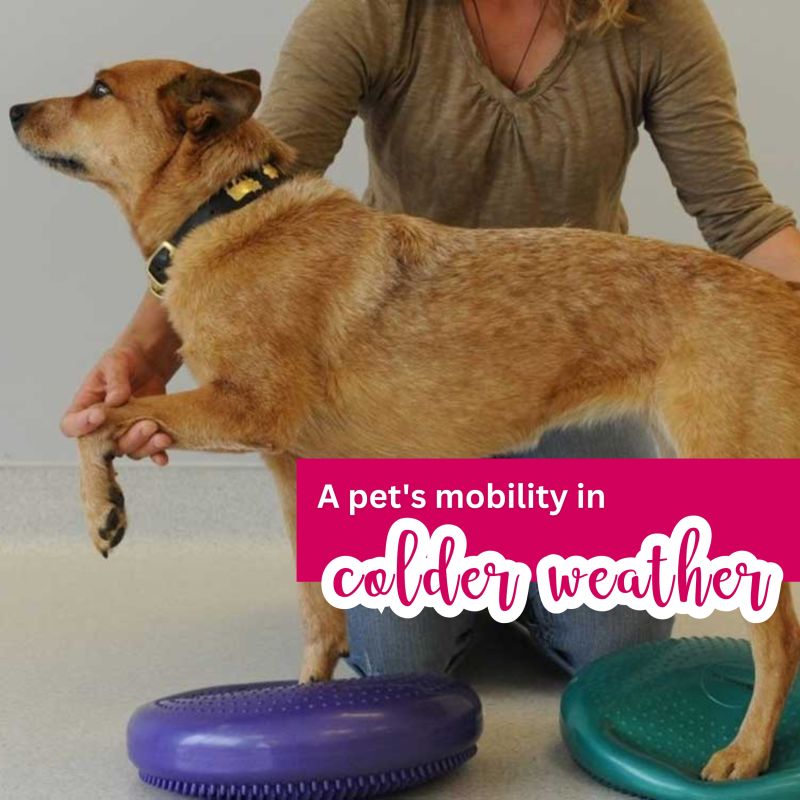
Joint inflammation and stiffness: In wintertime, the cold and wet can cause your pet’s joints to become stiffer, making it more demanding and painful for them to move. Your pet may even move differently. This discomfort may cause them to walk more slowly and carefully, and their pace may change as well. Dogs and cats with arthritis may experience a more noticeable impact on their mobility, as arthritic joints are particularly sensitive to temperature changes. This stiffness can be particularly felt and seen in the morning after sleeping or after a period of inactivity. They tend so sleep longer period of times in the colder weather, always looking for warmth, and their limbs will be stiff as soon as soon they start moving.
Changes in movement: Your pet’s posture and how they walk can change with extreme temperature drops. Older pets may alter how they stand or move to make themselves more comfortable. This could mean shifting their weight away from a joint that hurts to bear more weight on a “healthy joint.” This can place additional strain on a healthy leg. When a pet’s muscles and joints are cold and stiff, they may have a reduced range of motion. As a response to the cold, they may tense their muscles causing the muscles to be less flexible and may lead to a stiff, rigid gait. This muscle tension is often a protective response to cold, as it helps prevent heat loss, but it can negatively affect your pet’s mobility. This can lead to a shuffling or stilted gait, with shorter steps and less fluid movement. Other physical signs of joint pain may include stiffer, slower movements or an overall decrease in activity levels. Our wheelchair dogs can also feel the impact of the cold. Since they may be less inclined to go for walks or engage in outdoor activities, prolonged periods of downtime may cause muscle atrophy.
Reduced blood flow: As fall arrives and the days grow shorter, you might notice your pet becoming less active and more content to snuggle up indoors. This season brings a natural shift in behaviour as your pet begins to prepare for the colder months. They might even limit their mobility completely. Cold temperatures can decrease blood flow to the extremities, including the joints. This reduced blood flow can make arthritis-related inflammation and discomfort worse. In wintry weather, the blood vessels (capillaries) in a dog’s extremities, including their legs and paws, tend to constrict or narrow. This natural response is called vasoconstriction and is the body’s way of conserving heat. However, it also means less blood flows to these areas, which can lead to reduced warmth and flexibility in the muscles and joints.
How to you can help: Special needs and senior pets will have a change in mobility. It is important to keep your pet’s joints in good health right through the year. It is an important part of their overall health and assists quality of life.
Consult your veterinarian: If the chilly weather is impacting your pet’s ability to move freely, it is important to consult with your veterinarian. Only your vet can offer personalized advice and tailored treatment plans for your pet, especially for a dog with mobility issues. It is important to continue with treatment in the spring and summer as well, to best prepare your pet for the colder months, or even sporadic colder days in warmer seasons. Important: If you have an older pet, or one with an illness of a special needs, please consult your vet before changing their medication, diet and even exercise.
Daily joint supplements: For our pets facing mobility challenges, joint health is of the utmost importance, especially in cold weather. Joint stiffness can be aggravated by the dropping temperatures, making it essential to provide the right support. A high-quality joint supplement is designed to support your pets’ joint health, ease stiff joints, support joint structure, and help support their mobility. There is a lot that we, as responsible pet owners, can do to help ease any uncomfortable situations for our pets.
Common signs that dogs or cats may be showing if they are suffering with joint pain
Dogs: • Slowing down during walks/exercise • Difficulties standing unaided (especially on slippery surfaces) • Stiffness after lying for extended periods or following exercise • Difficulties climbing or jumping into vehicles/onto furniture • Difficulties squatting to urinate and/or defecate • Difficulties reaching down to the floor for food/water bowls • Licking or over-grooming of painful joints • Reduced interaction with family members and reluctance to ‘play’ Cats: • Reluctance to jump onto or off higher surfaces • Reduced activity or more time spent sleeping • Matted or scruffy coats from reduced grooming • Licking or over-grooming of painful joints • Irritable when handled or stroked • Difficulty using litter tray or inappropriate soiling outside of the litter tray • Difficulty using cat flap
Keep an eye out for other behaviour changes: Increased Appetite: Cooler weather often brings an increase in appetite as their bodies prepares for colder weather. Monitor Their Weight: As their appetite increases, keep an eye on their weight to ensure they do not overeat. Obesity is mayor concern and can lead to serious illnesses. Interactive Play: Since they may be going out less, engage them with more indoor play to keep them mentally stimulated.
Year-round mobility support: Our pets that show any signs of mobility change when the temperature drops benefit from mobility support year-round. Mobility aids like pet wheelchairs and lifting harnesses can help pets with mobility issues, making it easier for them to stay active without straining themselves. Here are a few ways they can help: Difficulty standing – a rear support leash can be used to support your pet’s hind end and help them to get up off the ground to stand. Climbing stairs – a lifting harness is a wonderful way to stabilize and support them as they climb up or down stairs. Slipping on tile or hardwood floors – wearing boots or traction socks with a rubber sole can help a senior pet to better grip the floor, helping them to keep their paws in place as they stand.
If you do not care for your pool during winter months, they can become chemically unbalanced. This will lead to nasty chemical deposits or in extreme cases, costly damage to your equipment and as well as the fit and finish of your pool. Taking care of your pool in winter will also ensure that your pool and pool water is ready to go when summer arrives. You will save time and money by taking care of your pool, equipment, and water during the non-swim season. Visit your closest Pet & Pool store for more pool tips and assistance. If you want somebody else to take care of your pool, you can also contact our very own BluLink premium pool service & repair division. Click here for more information: https://blulink.co.za/.
Here is a handy list of tips that you can follow to keep your pool in tip top condition during the coming winter period.
1. DO NOT drain the pool
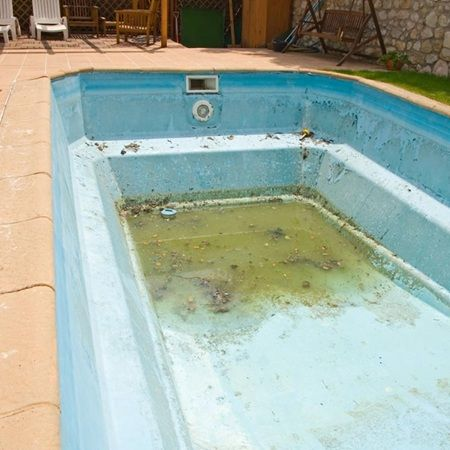
By keeping water in the pool, it helps to prevent the liner from drying out, shrinking, and eventually cracking. Even with a pool cover, an empty pool is more at risk for damage from debris. The water will act as a protective barrier, so you will not have to pay for costly repairs. Keeping your pool full also prevents the need for a costly complete refill when warmer weather returns. You can however adjust your water level slightly if you want to. Lower the water level to just below the skimmer and jets. This prevents water from entering the pump and filtration system, reducing the risk of freeze damage. By correctly adjusting the water level, you can protect your pool components from the harsh effects of winter and ensure a smoother spring opening.
2. DO cover the pool
Yes, a pool cover can be costly, but it is necessary. By covering your pool, you will minimise chemical evaporation: keeping your pool covered also reduces the amount of chemical usage by stopping chemical evaporation into the atmosphere. It will also prevent evaporation: pool covers prevent water evaporation so they are one of the best things you can do around the pool to preserve your pool water. It also keeps your pool warmer throughout colder months, so you do not have to use as much energy heating the water should want to take a dip after all! The result is less maintenance and lower electricity bills!
3. DO clean the pool
Start by brushing the walls and floor of the pool, remove any debris or leaves from the water, and do not forget to clean the skimmer baskets and the pump baskets. This is also a suitable time time to clean all around the waterline, and to get rid of algae if you find any. Algae can still grow during the winter as sunlight can pass through water and ice, allowing photosynthesis.
4. DO clean the filter
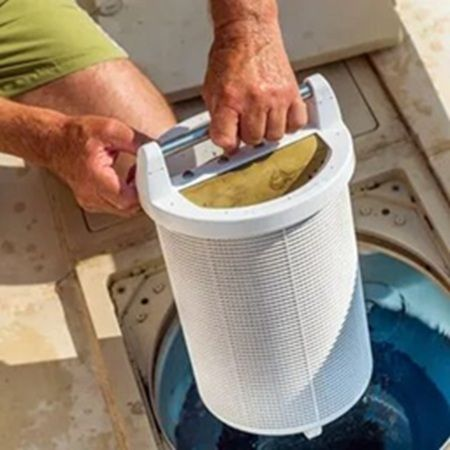
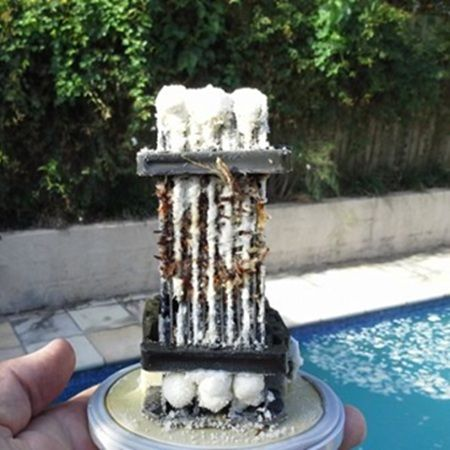
A clean pool filter is crucial for maintaining clear water and efficient pool operation. Proper maintenance during this season ensures your filter continues to work effectively, preventing pool issues.Understanding the several types of pool filters and how to maintain them is key to effective wintertime pool maintenance. i. Cartridge Filters: Replace the cartridge every month to six months, depending on usage. Regular replacement ensures optimal filtration and water clarity. ii. DE (Diatomaceous Earth) Filters: Disassemble and clean every three to six months. Add new DE powder after each cleaning to maintain filtration efficiency. iii. Sand Filters: Replace the sand every three to five years and backwash monthly. This routine helps keep the filter working efficiently by removing accumulated debris.
5.DO backwash
Backwashing is essential to maintain proper water flow and filtration. Backwash your filter at least once a month to remove trapped debris and maintain proper water flow. This helps prevent clogging and ensures the filter operates efficiently. By keeping your pool filter clean and performing regular maintenance, you will help keep your pool water clear throughout the fall season. This step is vital for maintaining overall pool health and avoiding more significant issues.
6.DO balance the water chemistry
Maintaining proper water chemistry is essential to prevent algae growth and damage to your pool components. Balanced pool chemicals ensure your pool remains clean and safe throughout the fall and winter season. Keeping your pool’s chemical levels in the correct range is crucial for effective fall pool maintenance.
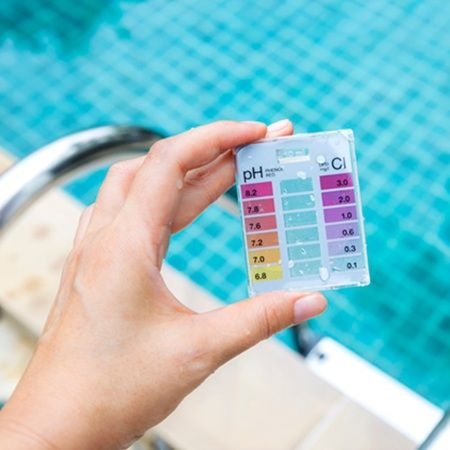
Perform a pH-test and adjust the value to between 7.0 and 7.2, if necessary. This will avoid the build-up of limescale or corrosion damage during winter. Use test strips to test the water pH value. When the pH value of the pool is adjusted, give it a chlorine shock. Afterwards the pool filter system should be allowed to run for approximately 6 hours to give the water care products time to work and stabilize. The chlorine content may drop to 1-3 mg/l .
Keep alkalinity between 80 and 150 parts per million (ppm) to stabilize pH levels. Maintain calcium hardness levels between 175 and 225 ppm to protect your pool surfaces from scaling and corrosion. Ensure chlorine levels are between 1 ppm and 3 ppm to keep your pool water sanitized and safe for swimming. It is recommended to place winter floats in the pool before applying the pool cover.
Weekly testing is important. Use test strips or a home test kit to check pH, alkalinity, and chlorine levels. Adjust as necessary to maintain the correct balance. Professional Testing: Have your water tested bi-weekly by a local pool professional, such as our BluLink service or at any Pet & Pool store. These tests provide accurate readings and expert advice on maintaining proper chemical levels.
7. DO run the pump
Your pool’s pump should be reduced from running 8-12 hours a day to 4-6 hours during the winter period. In winter, you can reduce the pump’s run time compared to summer. However, it still needs to run daily to keep the water circulating. Typically, running the pump for 4-6 hours a day is sufficient during the colder months. You can adjust this based on the size of your pool and the local climate. If your pump is controlled by a timer, make sure to adjust it accordingly.
8. DO clean the pool pump pipes
You want to rid the pipes of any stuck debris or dirt that may cause algae to grow over the winter period. Cleaning out the pipes that lead from the pump to the pool also helps prevent clogs and ensures that no tiny pieces of debris remain behind the pump, which can clog it up when the water pressure drops during winter.
9. DO clean salt cells if you have a chlorinator
You may not know this, but most salt cells will not work well in water temperatures less than 15-16 degrees Celsius. For this reason, they may have trouble creating enough chlorine in the winter. They can also be overworked in such temperatures, leading to a shorter lifespan. Both the salt cell and debris screen in your saltwater pool plays a crucial role in maintaining the health and longevity of your pool. Neglecting regular maintenance of these components can lead to reduced chlorine production, restricted water flow, and even damage to your pool pump and filtration system.
10. DO clean & store pool fittings
Keep your pool fittings protected until the warmer weather returns. Make sure to remove any excess water or debris that begins to accumulate on top of your cover, as this will add extra strain to your cover and reduce its lifespan. Carefully remove any diving boards, ladders, slides, skimmer baskets, handrails and so on. Clean them thoroughly before putting them in a safe place for the winter.
11.DO keep a maintenance schedule
Once you have completed your preparation for winter, make sure that you stick to a maintenance schedule even though it is cold and the pool is not being used. Prepare your pool before each big storm by clearing out the leaf baskets and balancing your chemical levels once the storm is over. A bi-weekly maintenance schedule should be enough to keep your pool clean throughout the winter months if you have a pool cover. Getting your pool ready for winter also helps keeping it in shape when summer starts. You will spare yourself a lot of frustration and costs when the kids want to “test the water” 31 August!
12. DO NOT forget about your above the ground pool
There are three winterising solutions for above-ground pools: Full pool draining, which is not really winterising, and which will only apply to the smallest models such as inflatable or self-standing pools. Active winterising, during which pool operation is reduced and maintenance still occur. This takes place in several stages: i. Clean the pool entirely: walls, bottom, waterline, steps. ii.Perform a shock treatment if the water is dirty and remember to run the filtration system for 24 hours. iii. Descale and clean the filtration system. iv.Pour a winterising product into the water.
During the winter, you should maintain your pool with daily filtration according to the water temperature (continuously below 0 °C, between 2 and 4 hours above); regularly clean the filter; monitor the quality of the water. Passive winterising, which is a total shutdown. You will have no maintenance to conduct during the winter, but you should also remember to drain all equipment to prevent it from damaging in the wintry weather or freezing and lower the water level below the filtration system. If your above-ground pool is installed permanently, you should choose active or passive winterising. The first will be adapted to mild climates while the second is preferable for places subject to frequent freezing temperatures and where snow often occurs. Regardless of the type of pool you have in your garden, it must be winterised when the water temperature is stabilised around 12 °C. Indeed, winterising too early could facilitate the proliferation of micro-bacteria. However, winterising too late means taking the risk of seeing the water freeze over, which could damage your pool and equipment.
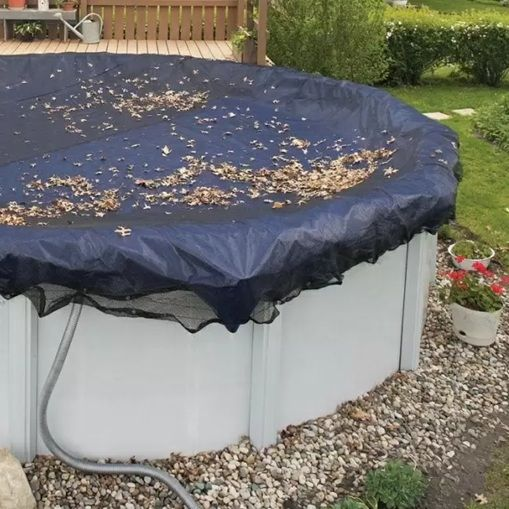
It is not usually recommended to entirely drain above-ground pools. The water in the pool exerts pressure that enables the pool to maintain its shape. An empty pool could thus be damaged or crack. The only exception to this rule is for small above-ground pools, which measure under twenty m3. Whether the pool is self-supporting, tubular or inflatable, the easiest way is to drain it entirely, clean it well and store it for the winter. To cover your above-ground pool in winter, use a strong winter tarpaulin that is suitable for cold temperatures. A waterproof tarpaulin will ensure the best protection; its hermetic properties help to create a barrier against both debris and sunlight to limit the appearance of algae. You can also choose to use a net cover, which will require more frequent cleaning but is easier to manage. Unless you have a small pool, there is no difference between winterising an above-ground pool and an in-ground model. This specific maintenance, designed to keep the pool in good condition during the entire winter, is essential. By giving it all your attention, you will keep your pool longer and enjoy it again when finer weather returns.
So how can you tell if your pet is experiencing boredom? Most often, boredom is going to result in negative behaviors, such as chewing your shoes, furniture, destroying your garden, clawing, whining, barking, depression and even aggressiveness. While younger pets and working dog breeds may need the most stimulation, any pet can become bored.
How you can help your dog to stave off boredom
If your dog is bored, you can come home to multiple holes dug in your garden, your couch chewed to pieces and your washing on the floor. Your dog is waiting just for you so that their favorite time of the day can start: family and play time!
1. Exercise and playing
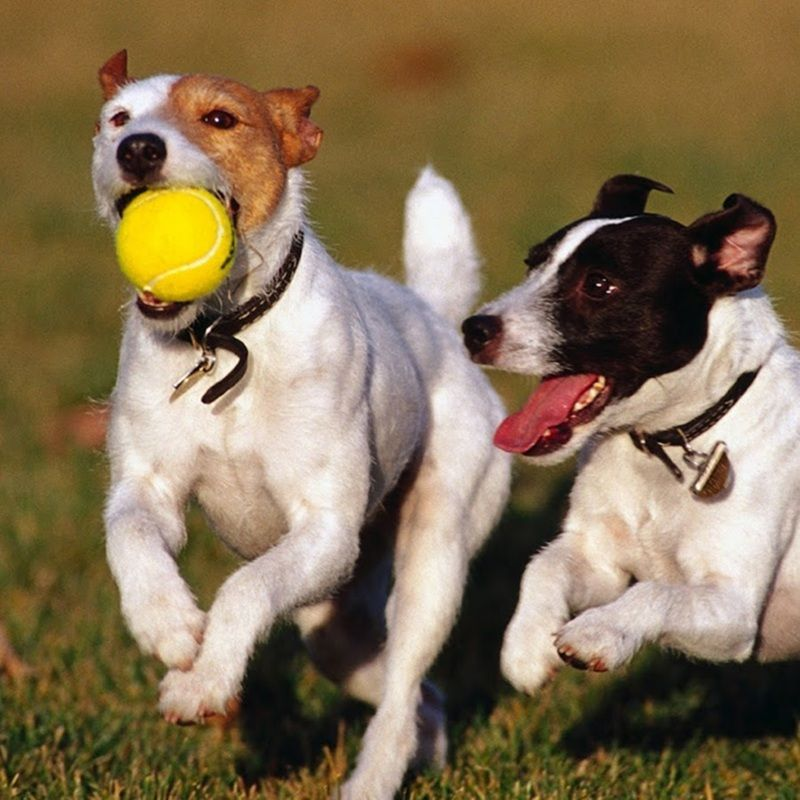
Dogs need to get out for exercise daily. Boredom and obesity often go hand in hand for dogs; some owners often do not recognize obesity as frequently as they need to. With some dogs, just walking every day is not enough to stave off boredom or weight gain. Consider taking your dog to a new environment. Even riding in the car to a new place can be mentally stimulating for a dog), or doing a new activity, game, or learning a new behavior.
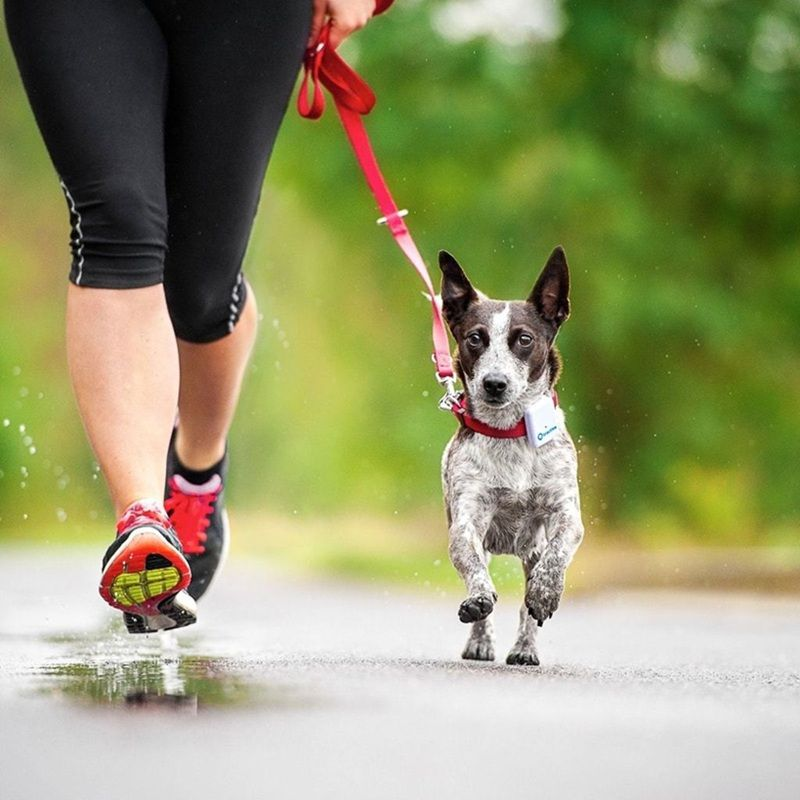
If you exercise, e.g., running or riding a bike, and if possible and your dog is able, take your doggie with: this promotes added mental stimulation in addition to fitness. The task at hand will lead to increased energy use and your dog would need to focus, which is mental stimulation as well – they must now also pay attention.
2. Socialize
Socialization is such an important aspect of training. It can help your dog to interact a lot more with their general outside world and they will be more entertained. It should also help them to interact more easily with humans as well. Dogs that get stimulated socially are less likely to be isolated and bored. This process works best during puppyhood. The first eight to 10 weeks are extremely important for puppies to be exposed to all different aspects of the environment, people and other pets. We need to help them to get accustomed to that so that when they are adult dogs, they are not scared of their different environments and meeting new people. Something to consider is play dates with other dogs. Not only is that great, but pairing dogs with comparable temperaments and play styles is beneficial not only for your dog but for the play dog also.
3. Food puzzles and snuffle mats
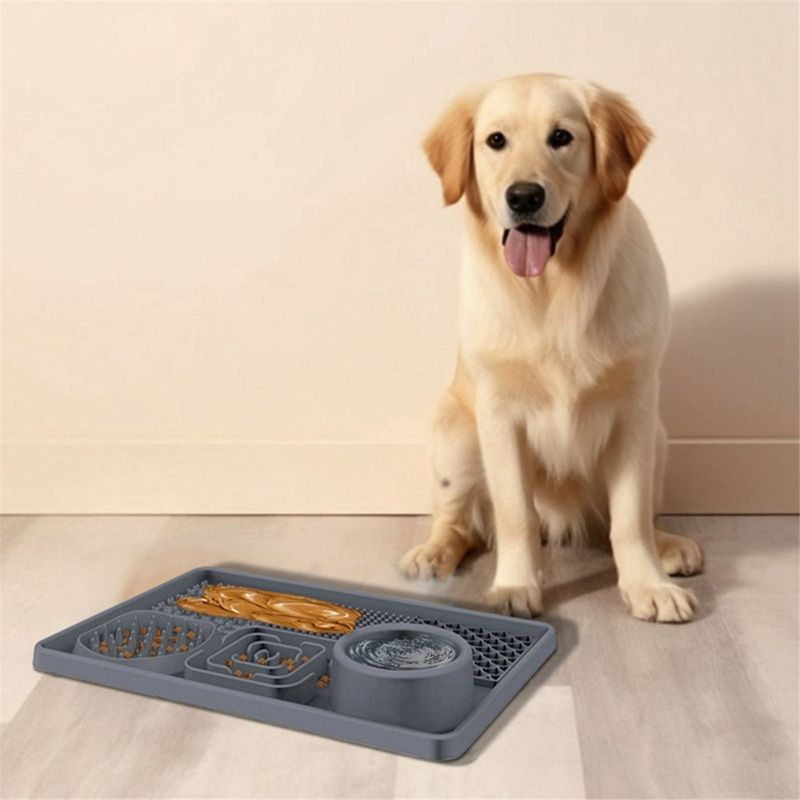
Alleviating dog boredom can be as simple as changing your feeding routine! Make it a fun and surprising event. Yes, adding food to a bowl is easy, but using a food puzzle or snuffle mat for their dry food, and a lick mat for wet food, can really spice up mental stimulation. By hiding the food or spreading wet food, you teach your dog to use their nose, brain, and body to get the rewards.
4. Put Your Dog to “Work”
Many dogs, especially working, herding, and hunting breeds, must be put to work. Fortunately, it can be relatively easy. It can be any kind of task or game that involves work. When boredom strikes it is often a high energy dog that lacks stimulation. He might have been paired with a low-energy family, which is problematic. If these dogs are not being kept busy by walking, working, and playing, they will become inherently sort of excited but have nowhere to release their excess energy. That could lead to them tearing up your garden and becoming aggressive.
You can put them to work” with games such as “nose work” which can be so simple as identifying certain things in the home (“where is your ball?,” hiding treats and encouraging your dog to find them. Teaching new behaviors and tricks can also feel work-like to a dog, and exercise can even include an element of work.
Should you include them in your training routine (riding a bike outside or jogging) they become a running partner or an agility partner, where they go out, “train” and have a “job” to do.
5. Enroll them in a class
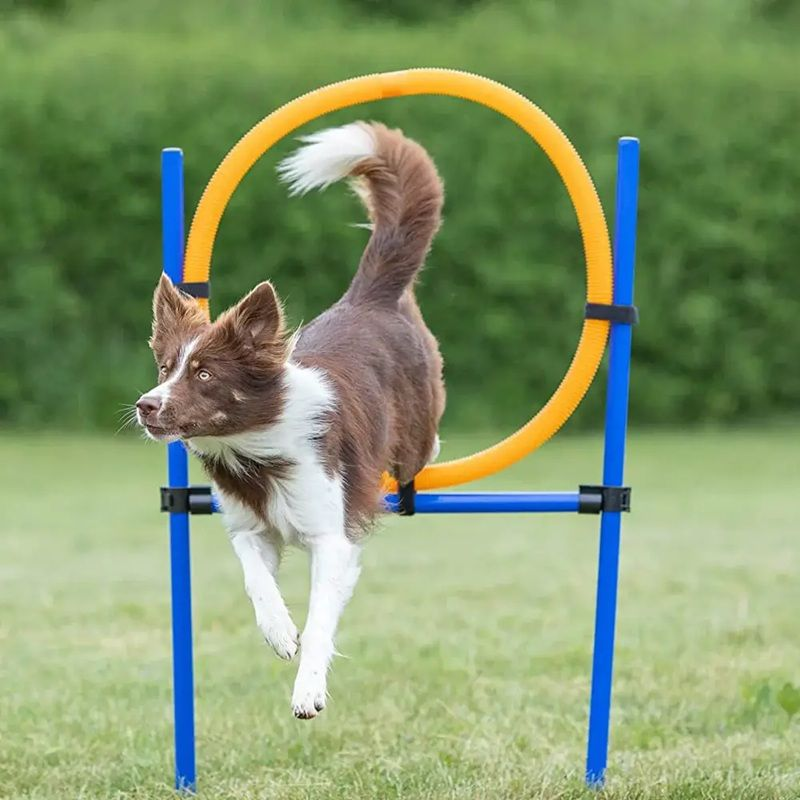
If you have the means, enrolling your dog in a class with a local trainer can be a wonderfully stimulating way to relieve boredom. If your dog enjoys nosework, for example, a class can take it to the next level. Other options for classes include obedience and agility training. That is a high energy event and will help them to release their energy. It also involves obedience, and they will feel like they have a “job”. They need to focus too therefore their bodies and minds are being stimulated.
How you can help your cat to stave off boredom
Living indoors or staying inside more because of colder and maybe wet weather, provides a safe and comfortable environment for our beloved feline friends.
Enrichment activities are the perfect solution to engage your cat’s natural instincts and keep them entertained. We have put together a variety of creative and practical enrichment ideas that will make your indoor cat’s life more exciting and fulfilling.
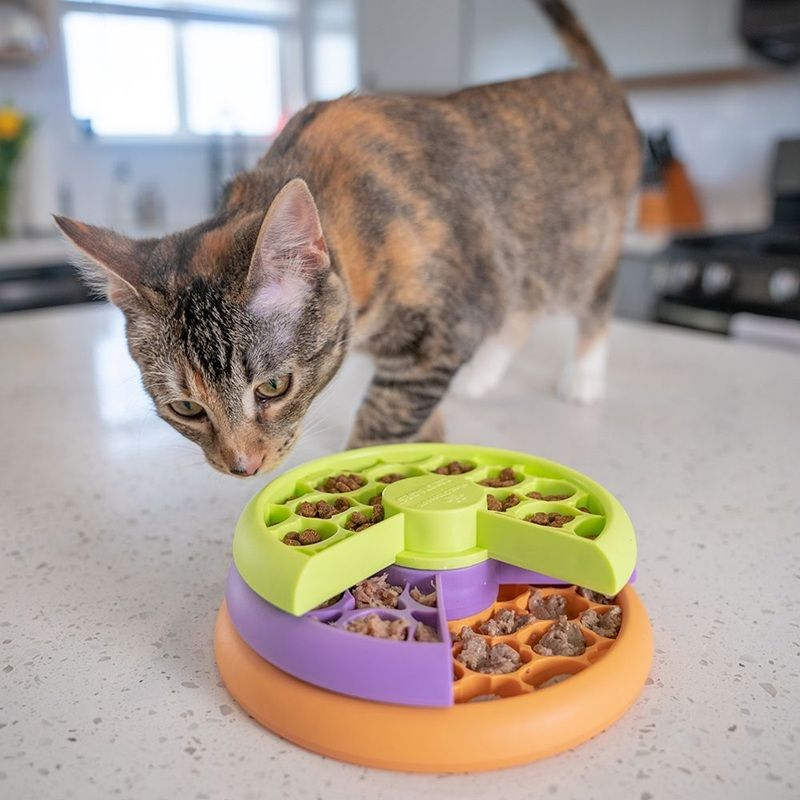
1. Use puzzle feeders and interactive toys
Just like dogs, cats can benefit from turning their typical mealtime routine into an enrichment activity. Puzzle feeders and interactive toys encourage mental stimulation by making your cat work for their food.
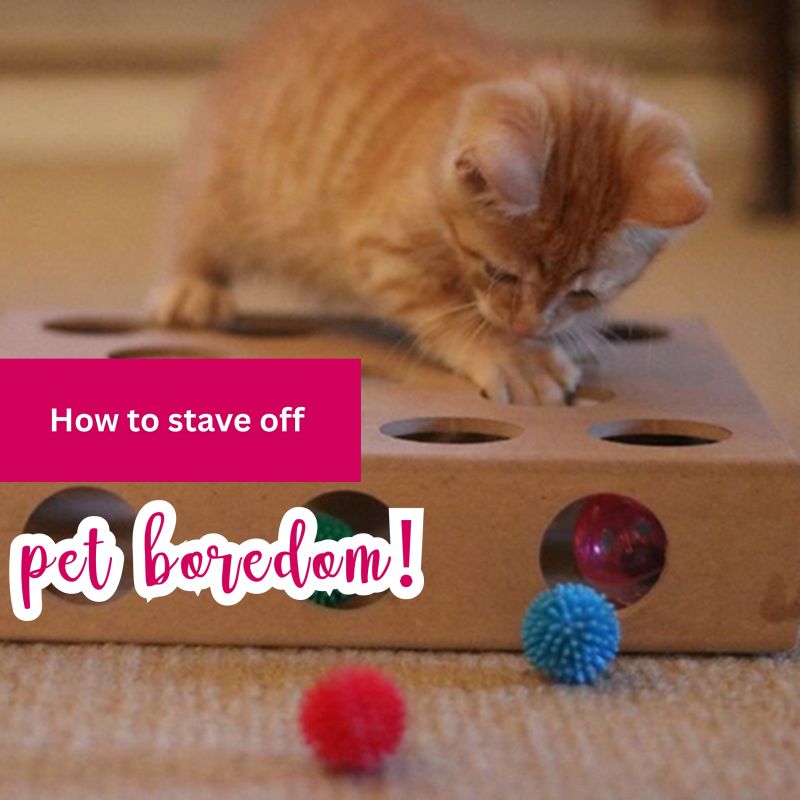
Puzzle feeders dispense small amounts of kibble when your cat interacts with them, stimulating their hunting instincts and providing a rewarding challenge.
Lick mats can be used for wet food, which also puts their brain to work.
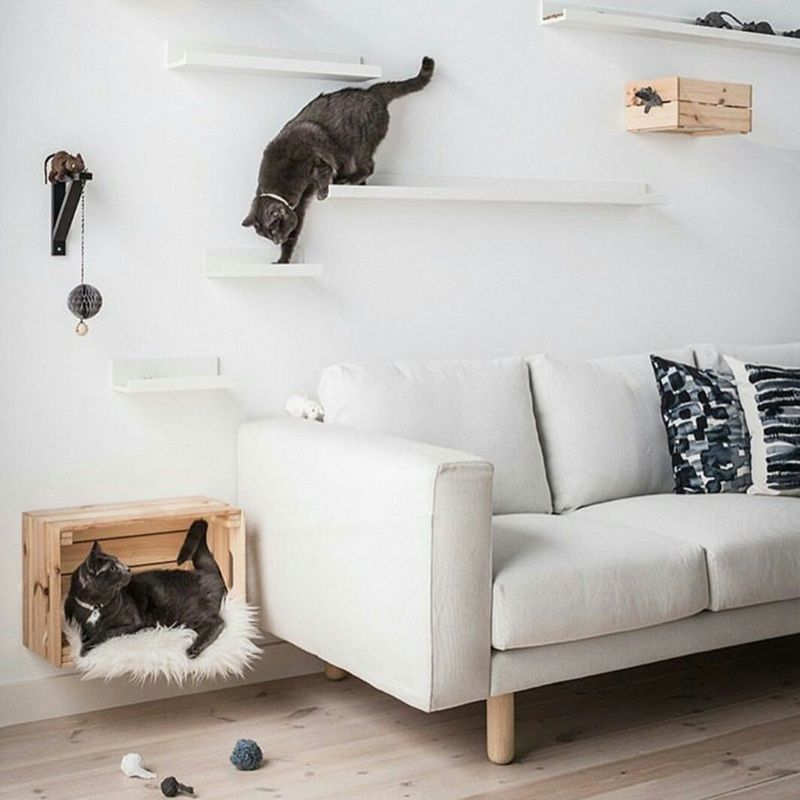
2. Take advantage of vertical spaces
Cats love to climb and explore their surroundings from different perspectives. Create vertical spaces in your home to satisfy their climbing instincts.
Install cat trees, wall-mounted shelves, or provide sturdy, carpeted perches. Vertical spaces not only offer exercise opportunities but also allow cats to observe their territory, providing mental stimulation and a sense of security.
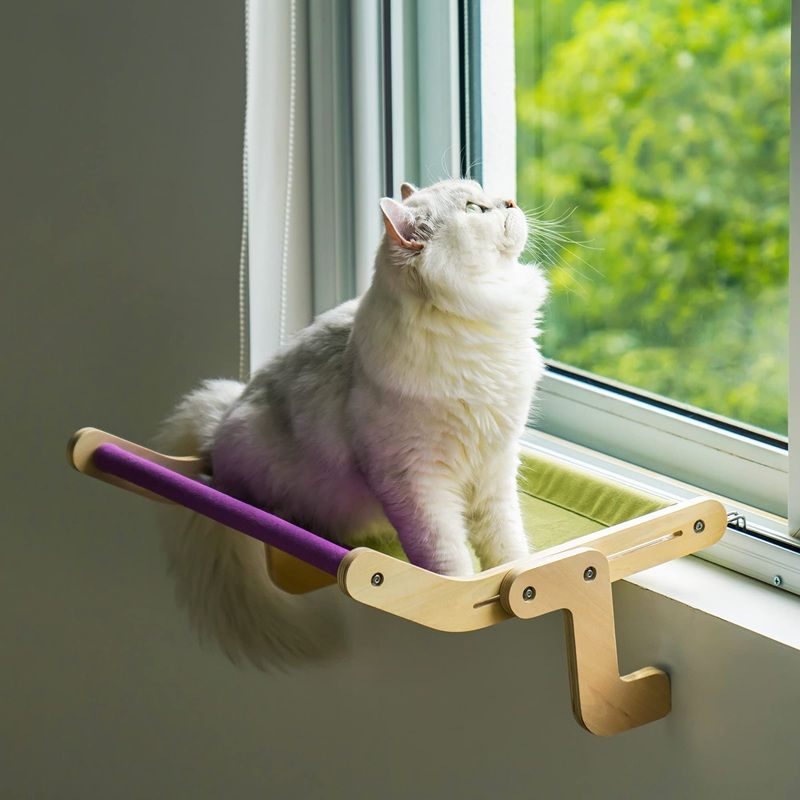
3. Give your cat the best window views
Set up a comfortable perch near a window to create a front-row seat to the outside world. Cats are fascinated by bird activity, passing wildlife, and changing scenery.
By providing a window view, you enable them to engage with the sights and sounds of the outdoors, stimulating their senses and preventing boredom. It is a great solution for indoor cats, or outdoor cats forced to stay inside for a while!
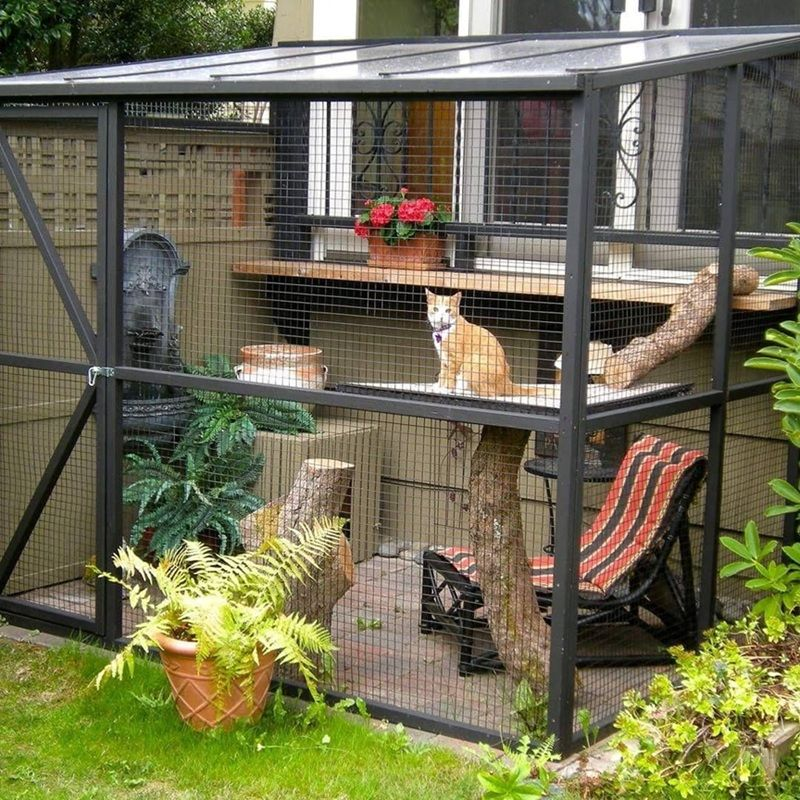
4. Build your cat their very own “catio”
If you have the space and resources, consider building a cat enclosure that allows your indoor cat to experience the outdoors safely. A catio can be a small window box or a larger, enclosed area connected to your home or placed in your backyard. It provides cats with fresh air, sunshine, and the opportunity to engage with nature while protecting them from potential hazards like traffic or predators.
Catio’s often feature perches, climbing structures, and interactive toys to keep your feline friend entertained. Not only does a catio offer enrichment and stimulation, but it also provides peace of mind knowing that your cat can enjoy the outdoors in a secure environment.
5. Schedule regular interactive playtime
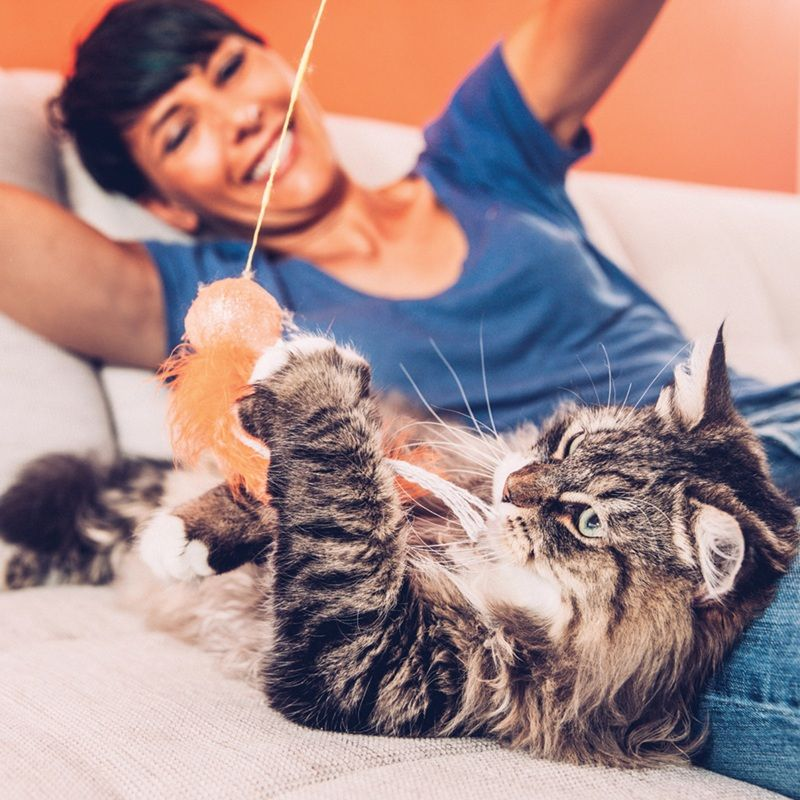
Regular interactive play sessions with your indoor cat are vital for their physical and mental well-being. Use a variety of toys, such as wand toys or feather teasers to mimic prey-like movements.
Engage in play sessions that encourage jumping, pouncing, and chasing, allowing your cat to release energy and express their natural hunting instincts.