
Puppy food is made for Puppies. Why?
Your puppy can eat adult food, but it is not ideal long-term. There is no need to panic if your puppy grabs a few bites from an adult dog’s bowl—but your puppy’s daily diet should really be formulated according to their specific needs. The ingredients in adult food are not harmful to puppies; it could be the formulation. The healthiest food for your puppy is one that provides complete nutrition and meets the official pet food guidelines. There is also some risk of digestive upset when feeding your puppy adult dog food—especially if the recipe differs significantly from their usual diet—but a few meals should not cause any lasting harm.


Puppy-specific food is crucial for their growth, development, and overall health during their formative months. It provides essential nutrients for healthy bones, muscles, and brain development, as puppies require higher levels of specific nutrients for optimal growth. Puppy-specific food is packed with protein, fat, and calories, essential vitamins and minerals, and easily digestible ingredients for bone growth. It also supports a strong immune system with antioxidants and other immune-boosting ingredients. As puppies grow, their nutritional needs change, and the transition from puppy food to All Life Stages food is essential. Timing the transition can vary depending on the puppy’s breed, size, and overall health. Gradually introduce all life-stages food over 7-10 days, starting with a small amount of all life-stages food and gradually increasing the amount while decreasing the puppy food. Monitor your puppy’s health and growth during the transition period to ensure they are getting the nutrition they need.
Adult food is best for Adults. Why?
As our furry companions transition into adulthood, their nutritional requirements undergo a transformation. While the high-octane growth of puppyhood might be behind them, adults still need a balanced and wholesome diet to maintain optimal health. Here are some key considerations:
Protein Power: Protein remains a vital component in an adult dog’s diet, aiding in muscle maintenance and overall health. Look for a high-quality protein source, such as real meat, in their food.
Calorie Control: Unlike the calorie-intensive puppyhood, maintaining a healthy weight becomes a priority in adulthood. Choose a dog food that aligns with your pet’s activity level and size to prevent obesity-related issues.
Nutrient Needs: Adult dogs benefit from a well-rounded diet that includes essential vitamins and minerals. Ensure their food contains a balanced mix to support everything from coat health to immune function.
Special Considerations: Certain breeds or individual health conditions may warrant special dietary considerations. Consult with your veterinarian to address specific concerns and tailor the diet accordingly.
Finding the perfect adult dog food involves a bit of detective work. Consider your dog’s breed, size, activity level, and any specific health concerns. Read ingredient labels diligently, focusing on real meat sources and avoiding excessive fillers. While there might not be a direct equivalent to “puppy chow” for adults, the quest for the ideal adult dog food is a nuanced journey. Tailor their diet to their specific needs, keeping a watchful eye on their health, energy levels, and overall well-being. Remember, a well-fed dog is a happy dog, and a happy dog makes for a joyous companion on the journey of life.
Seniors need food to support their Senior lifestyle. Why?
There are many foods out there that are labelled for mature, aging, and senior dogs. There are even diets labelled for all life stages. It can be hard to know what the best food for your senior dog is and whether you should switch from adult to senior dog food.
The decision on what to feed and whether to change to senior dog food should be based on many factors—your veterinarian can help make recommendations based on your dog’s health status, disease risk, and lifestyle.
The goals for feeding a senior dog are twofold: Prevent or manage disease and increase longevity.
If your dog has been diagnosed with a condition that is known to be influenced by nutrition, it may be time for a switch. This is one of the main factors to consider when deciding if your dog needs a senior food.

Food that is labelled for senior dogs may vary in their ingredient and nutrient profiles, but not always. For example, the percentage of protein in adult dog food ranges from 18-30%. This is like the range of 18-23% for senior dog foods (on a dry matter basis). Other nutrient content can vary widely, as is often the case with sodium and phosphorus levels.
What sets senior dog foods apart from adult or all life stages foods is whether they also have certain nutrients and other ingredients that can help influence or manage certain diseases. It’s important to read dog food labels, and if you are contemplating a change, check in with your vet to see what your dog’s specific needs may be.
All foods, regardless of stage, should provide the recommended amounts of required nutrients as established by law.
Learn how to read a pet food label
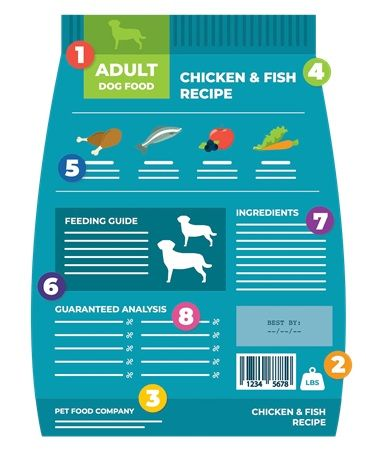
Ingredients: The difference between “ingredients” and “nutrients” needs to be clarified. Ingredients are the vehicles that provide nutrients, while nutrients are food components that support life and are metabolically useful. For example, lamb is an ingredient that provides nutrients such as protein, fatty acids, and vitamins. Ingredients are listed in descending order by weight. The high-water content in chicken, beef and lamb makes these ingredients weigh more than dry ingredients such as grains, meals, and vitamins, so they are often listed first.
Guaranteed Analysis: Indicates minimum or maximum levels of nutrients such as protein, fat, fiber, and moisture. Does not indicate or provide exact levels of nutrients in the pet food. Is not a guarantee of the nutritional quality of the food. Moisture levels in pet foods vary, making it nearly impossible for an average cat parent to accurately compare nutritional information.
Nutritional Adequacy Statement or PFI or other animal food law statements. These organizations that set the nutritional standards for pet foods sold in South Africa and other countries. This legally required statement verifies the testing method used to determine nutritional adequacy. The statement indicates whether the food provides complete and balanced nutrition for a specific life stage of your pet (growth, adult, pregnant/nursing), or if the product is nutritionally adequate for all life stages. Beware if the package states the food supports “all life stages.” The product likely contains excessive levels of some nutrients necessary for the most demanding life stage, which is growth. For example, it might contain higher levels of protein and calcium for kittens, but those levels are inappropriate for an adult or senior dog.
As a pet parent, you should know that nutritional excesses can be as harmful and are more common than nutritional deficiencies.
The manufacturer’s toll-free/contact number or other detail where they can be reached. The package label should contain the manufacturer’s name and phone number. We encourage you to call the companies to learn more about their products, including place of manufacturing, actual nutrient content, calories, and palatability of your prospective food choice or visit their website.

Source : https://www.hillspet.co.za/pet-care/nutrition-feeding/reading-a-pet-food-label1
Important:
Always consult your veterinarian when unsure about what to feed your dog, and when.
Some diets are general balanced diets providing your dog with everything they need, whilst other food might be necessary to feed them food that assist with a specific disease (such as kidney failure). Be aware of your dog’s overall well-being and take them to the vet immediately if, e.g.
- Decrease in appetite accompanied by weight loss
- Bad breath or foul odour coming from the ears or skin
- Excessive thirst or urination
- Unexplained aggression or other behavioural changes
- Trouble walking or climbing stairs
- Inability to urinate or have bowel movements
- Respiratory problems: sneezing, coughing, excessive panting, trouble breathing
- Lethargy, hiding
- Frequent vomiting or diarrhoea
- Abnormal whining, crying, or other vocalizations
Note:
Always have enough clean and fresh water available for you dog.
Limit treats and keep then age and lifestyle appropriate. Remember that treats are not food.
The PFI and their importance:
In South Africa, our pet food is overseen by the Pet Food Industry Association of Southern Africa (PFI). Only buy food that has the PFI logo on from reputable stores with refund options. Each country has safety regulations and the overseeing body’s logo should be visible on the bag/tin of food.
The PFI is dedicated to upholding quality standards that ensure the nutritional wellbeing of household pets. Representative of about 80% of the pet food market in South Africa, each member commits to manufacture and market food that meets internationally accepted standards as set out in Act 36 of 1947. The Department of Agriculture’s regulatory authority manages Act 36. The PFI aids industry in facilitating the complaint process, highlighting matters of non-compliance to the inspectorate of Act 36 for investigation.
For more information on the PFI, please read about them here: https://www.pfisa.co.za/