

How pets react to fireworks
- Behavioural signs
Hiding; trembling; pacing; panting; drooling; vocalizing (barking, howling, meowing); clinging to owners; restless or hypervigilant behaviour. - Physiological signs
Elevated heart and respiratory rate; dilated pupils; salivation; gastrointestinal upset (vomiting, diarrhoea); incontinence. - Risk behaviours and injuries
Attempting to flee (running through doors or windows); breaking out of yards; chewing through crates or doors; self-injury from frantic escape attempts. - Species and individual differences
Dogs commonly show strong noise phobias. Cats may hide and become unreachable. Rabbits, birds, and small mammals can exhibit extreme stress reactions and are harder to calm because they cannot be reassured easily.

Immediate management during fireworks
- Create a safe space
Provide a quiet room with familiar bedding and toys; close windows, curtains, and doors to muffle sound; play low volume calming music or white noise. - Comfort and routine
Offer calm, confident presence without over-reassuring (too much fuss can reinforce panic in some pets). Keep routines like feeding and short walks as normal when safe. - Reduce sensory exposure
Use blackout curtains, run fans or air-conditioning, and move the pet’s bed away from windows and doors. - Identification and containment
Ensure pets wear ID and are microchipped; secure fences and exits; keep cats indoors for several days if fireworks are expected.
Calming medications: benefits and common options
- Why medications help
Calming medications reduce the intensity of fear responses, lower physiological stress, and make behavioural training and management strategies more effective and humane. - Commonly used medications and classes
- Short-acting anxiolytics (benzodiazepines): Rapid calming, useful for acute events; risk of sedation, disorientation, paradoxical excitement in some animals.
- Serotonergic agents (e.g., trazodone): Useful for situational anxiety when given before an event; relatively safe and often paired with other drugs.
- Alpha-2 agonists (e.g., dexmedetomidine oromucosal gel): Specifically licensed formulations exist in some markets for noise aversion; effective for acute noise events with predictable timing.
- Gabapentin: Helpful for noise anxiety in dogs and cats, reduces arousal; often used in combination with other medications.
- Tricyclic antidepressants/SSRIs: Best for ongoing, chronic anxiety and as part of a long-term behaviour plan; they take weeks to reach full effect.
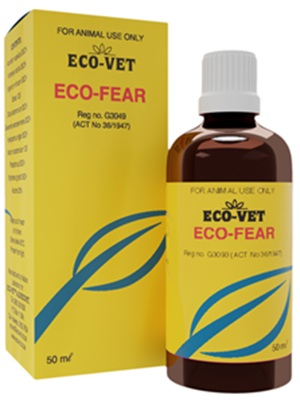
- Over-the-counter supplements: Pheromone diffusers, L-theanine, and certain nutraceuticals may help some pets but are usually less effective than prescription drugs.

- Benefits summary
Medications can: reduce panic and escape behaviours; lower heart rate and trembling; improve tolerance to environmental management; allow safe implementation of desensitization programs.
Important cautions and best practices
- Veterinary prescription and assessment
Always consult a veterinarian before giving any medication. The vet will assess medical history, concurrent conditions, and possible drug interactions. - Timing and dosing
Some drugs must be given well before fireworks begin; others work quickly. Use the exact dose and schedule your vet recommends. - Combining medications and behaviour work
Drugs work best alongside behavioural modification (desensitization and counter conditioning) and environmental management. Medication can make training possible for pets who are otherwise too distressed. - Side effects and monitoring
Watch for excessive sedation, ataxia, vomiting, or paradoxical reactions. If severe adverse effects occur, contact your veterinarian or emergency clinic. - Not all pets are candidates
Certain health conditions (liver, kidney, heart disease) or medications may contraindicate some calming drugs.
Practical checklist for fireworks season
- Before fireworks season
Schedule a vet consultation well in advance; discuss a personalised calming plan; consider trial doses to check tolerance. - At home during fireworks
Prepare the safe space; have medications on hand and give them as advised; keep pets indoors and secured; use background noise and blackout measures. - After an event
Allow pets to decompress in a calm environment; continue to monitor for delayed stress reactions; follow up with your vet if behaviours persist or worsen.
Conclusion
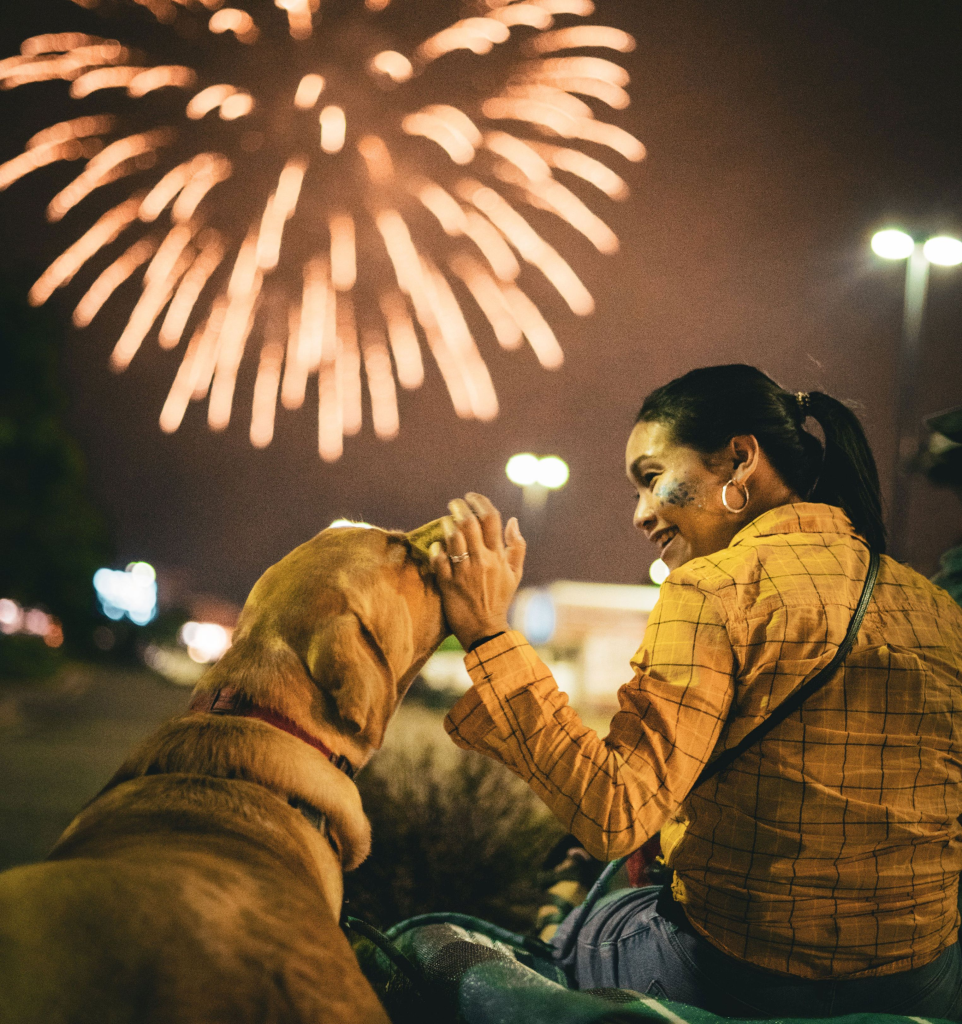
Fireworks can cause intense fear and dangerous behaviours in pets. Thoughtful environmental management and behaviour modification are first-line approaches, and calming medications are a powerful, humane adjunct when prescribed and supervised by a veterinarian. Combining medication with training and safety measures not only reduces immediate suffering but also creates opportunities for longer-term improvements in a pet’s tolerance to loud noises. If your pet shows strong stress reactions to fireworks, arrange a veterinary assessment to develop a safe, effective plan tailored to your animal.