
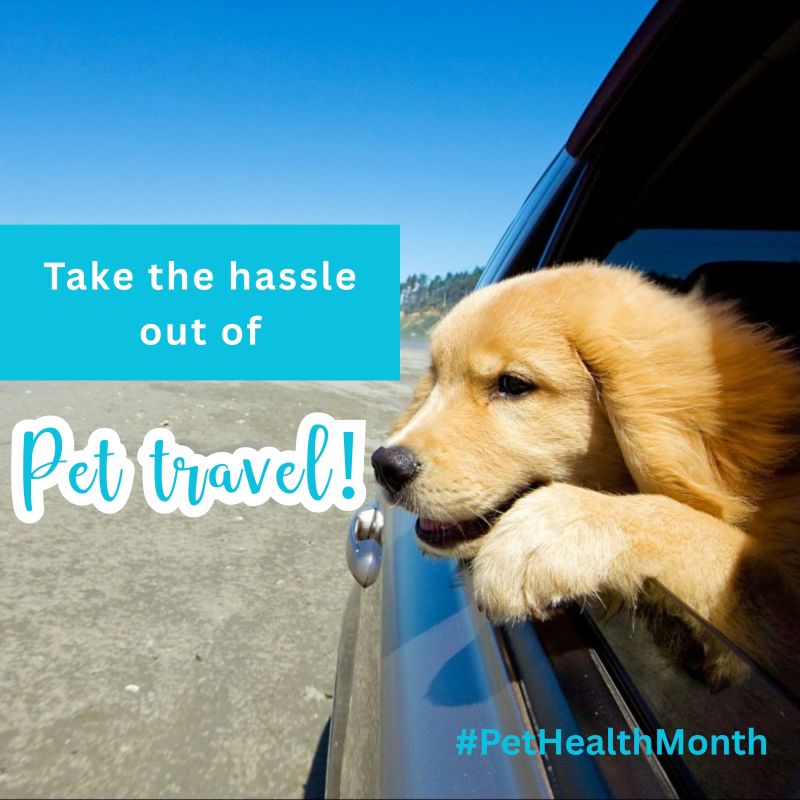
Travelling by car is the best way to take your pet along on a trip: you can plan your own itinerary, scheduling breaks as and when required. Pets, especially dogs and cats, are usually already quite familiar with this mode of transportation, so you’ll be saving them a great deal of stress. Should your pet not be used to lengthy car trips, it’s important to acclimatise them in advance. Ideally, you should take your pet for a few shorter excursions, always rewarding it afterwards with e.g a good long walk or treat. This will quickly build up positive associations, so that your pet will always be happy to get into the car.
Travelling by car comes with necessary items to help your pet, and you, to feel more secure and relaxed.
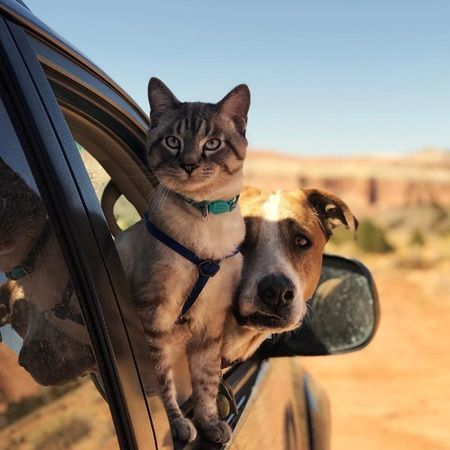
Here are some tips for a more stress-fee holiday:
Car travel (this is the preferred way to travel as you have more control over the situation)
1. Planning your trip and stops. Plan your trips in advance. Make sure all stay-over, or stops, are per friendly. Many stops do make provision for pets and can provide clean water and piece of grass for them to get rid of their energy. Remember that much like humans, dogs need to stretch their legs and relieve themselves, so make sure you plan to stop every 3-5 hours. That will add extra travelling time to your trip.
2. Have some handy items available. This will include a water and food bowl, poop scoop and bags and a favourite treat and toy. If you need to calm your pet down a bit, make sure that you choose the correct product suited for your pet. A collar and leash are a must for these breaks. Remember to have pre-prepared food bags ready as well a treat or two. Water in a pet water bottle is a must.
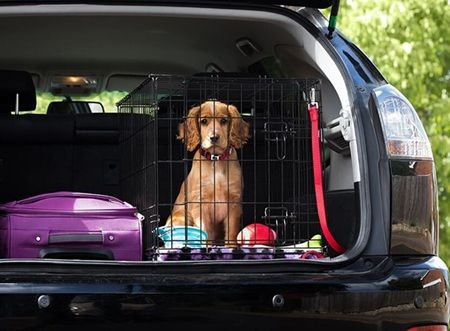
3. In-car equipment. The safest way to travel with your pet is to carry in a crate that has been secured with a seat belt. When you hit the road, the pet should not roam around as it may distract the driver. Your pets can be safe in a crate so that if the car bounces a bit, they are not hurt. Some pets, especially dogs, who have been car trained, can also travel on a car seat, safely strapped in. You can use a harness, collar and lead and secure your pet safely with a seat belt clip especially designed for this purpose.
If there is no space in the car, your pet can travel in the back of the car with your luggage, provided that the space is open. Pets can travel in the boot of a car, but only if the area is secure and the pet is properly restrained. Use a pet barrier or crate to prevent them from moving around and getting injured in case of sudden stops. It’s important to ensure the boot is well-ventilated and the pet is comfortable. Smaller animals such a kittens, puppies, rabbits and small animals, can travel in travel safe cage between or next to passengers on the back seat. Consider investing in boot and seat protectors/blankets. It is worth while to do some research to see what is available, and what will work best.
Keep this pet-friendly checklist handy when packing for your next trip:
- Secure collar with current ID tags
- Leash & harness
- Crate, safety harness or another restraining device
- Litter bags, poop scoops, litter box and litter accessories
- Food, water and snacks
- Food and water dishes
- Medications and copies of written prescriptions
- Vaccination records, especially rabies certificate
- List of veterinary offices and emergency animal hospitals in the area to which you’re traveling
- First-aid kit
- Familiar blankets and toys
4. Motion sickness in pets is a common issue, particularly in younger pets due to the undeveloped parts of the inner ear involved in balance. Adult pets often become anxious or nauseated during travel due to lack of conditioning and the overwhelming stimuli associated with moving inside a vehicle. Pets that travel only once or twice a year may not be used to car rides and may associate the stressful experience with the subsequent trip. This association can cause heightened anxiety and stress, potentially leading to vomiting and diarrhoea.
To prevent motion sickness in your pet, desensitizing or counter conditioning them to car travel may take some work. To ease their travel anxiety, take several short trips before embarking on a long haul, gradually exposing them to more challenging stimuli. Maintain a calm and cool attitude and do not get upset when your pet starts to act out.
Additional tips to make your pet’s travel more enjoyable and reduce motion sickness include withholding food for up to 8 hours before travel, providing access to fresh water whenever possible, using a carrier or pet safety harness, keeping the car cool and quiet, including the smell of home, and offering special trip toys. If your pet needs more help to stay calm during travel, consult your veterinarian about using remedies, non-prescription medication or anti-nausea medication, and anti-anxiety medication. Keep in mind that some prescription medications need to be started several days to a couple of weeks before travel to be most effective.
5. A calm pet makes for a better travel buddy. To reduce pet anxiety while traveling, start early by taking short trips to familiar places and gradually increasing the length of the journey. Remember to use your travel crate too. Create a comfortable travel environment for your pet by providing them with a cosy, familiar blanket or bed in their crate. Use calming products to support relaxation and calmness. Stick to your pet’s routine by keeping feeding times, bathroom breaks, and playtimes consistent.
Causing calming techniques such as soft, reassuring voices and music and gentle petting can help reduce stress. Natural remedies like herbal supplements or calming sprays can also provide additional relief. Consider your pet’s health and comfort during the trip by ensuring enough space for movement but not being too agitated. Take frequent breaks for your pet to stretch their legs and get fresh air. Be mindful of pet anxiety in cars or on flights by consulting with your vet about potential sedatives or calming products before the trip. For car travel, ensure your pet is properly secured in a car harness or travel crate to minimize distractions. Make travel breaks part of your plan by taking regular stops for stretching, relievement, and drinking. Stick to your travel list and consult with your vet for additional tips and recommendations.
Plane travel
This is a more complicated and stressful type of travel, for you and your pet.
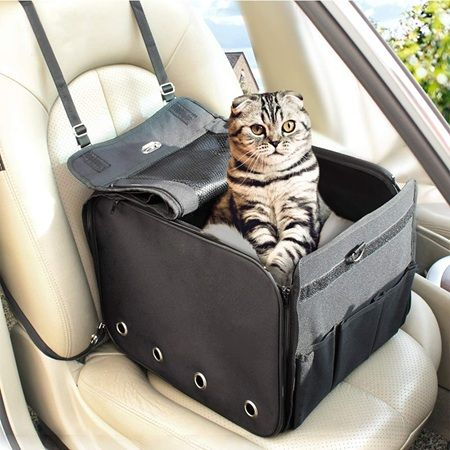
1. Air travel with a pet can be more stressful with a pet, as your pet will have travel in the cargo. They need to be secured in an airline-approved carrier. Some South African airway companies only make exceptions for “Seeing-eye pets” accompanying blind passengers. Pets trained to assist deaf passengers or comparable service pets may also travel onboard with their owners. Other airlines, like LIFT, will allow smaller dogs to travel in an approved‚ purpose built soft-case dog carrier placed under the blocked window seat allocated to your booking. They do not accommodate larger dogs nor other pets.
2. Remember that if you cannot stop your dog barking, the airline steward might move him/her into the cargo hold.
3. Pets travelling in the cargo are limited to small and medium-sized cats, pets, and small household birds as Checked Baggage with a maximum crate weight of 32kg including the animal. This may vary from airline to airline. Each animal contained in the container must have enough space to turn about normally while standing, to stand and sit erect, and to lie in a natural position and meet the specification of the IATA Live Animals Regulations.
4. Do research to see what is available and make sure that you are aware of the regulations and requirements before you plan to travel by plane with your pet.
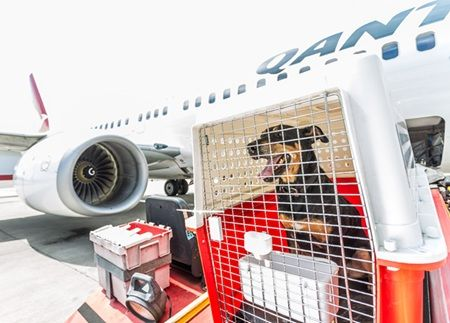
Take into consideration:
- Book a direct flight to minimize travel time and confirm pet policies with the airline.
- Feed your pet a light meal 4 hours before the flight and ensure they are hydrated.
- Carry all necessary documents, such as vaccination records.
- Stay calm before and during the flight, as your pet will pick up on your energy.
- Earache affects dogs and cats and can appear on several occasions, especially during a flight lasting several hours. As with humans, animals can also experience barotrauma when traveling by plane. Cleaning the animals’ ears properly and removing the wax buildup are some actions that need to be done a few days before the flight. Check with your vet before flying to ensure your pets have no discomfort.
- Keep the animal calm . Put toys or treats inside and gradually make him eat meals in the closed kennel. Also, make sure he stays calm while he’s in the crate. On the day of the flight, keep the animal calm. Provide light food and walk around the airport so that the animal gets used to the movement.
- Although it is necessary to arrive at the airport in advance, do not tie up or dispatch the dog or cat too early, as this can make the experience even more stressful. The less time they are trapped, the better.
- Do not apply sedative. Some errors common committed by owners is to sedate or give tranquilizers to animals so that they can travel by plane. However, the administration of these drugs can cause side effects, such as excessive sedation, muscle relaxation or even paradoxical excitement and anxiety. In case of turbulence, the dog or cat cannot protect itself if it is sedated. In addition, they may behave differently than usual when waking up in mid-flight and not recognizing where they are. Therefore, only administer motion sickness medication or tranquilizers if they are prescribed by the veterinarian who normally sees your pet.
- Feed the animal only a light meal and short drink approximately two hours before dispatch and exercise the animal immediately before dispatch.
- Snub nose dogs, such as Boxers, Bulldogs, Pekinese and Pugs, are affected more than other breeds by rarefied atmosphere and care must be taken to ensure that the front of the container has open bars from the top to the bottom of the box for ventilation. It is essential that the animal be free from respiratory troubles.
- Shipment of females in heat (oestrus) is not recommended.
- Females with suckling young and unweaned animals will not be accepted for carriage.
- Weaned puppies younger than eight weeks must not be shipped due to possible dehydration effects in air transportation. Kittens likewise, younger than eight weeks must not be shipped but it is recommended that a veterinary certificate be provided for those under twelve weeks stating the animal(s) is/are fit to be transported because of their small size, especially as some breeds, renders them more susceptible to the effects of dehydration.
- Weaned puppies and kittens may travel well together. The quantity must be related to the size and strength of the individual animal. Avoid shipping a weakling which could be harmed by its companions. Certain national regulations require cats or dogs to be crated individually unless the consignment is a litter over 10 weeks with the mother.
- For pet animals, a familiar article in the container helps to placate the animal. Animal’s name must be marked on the outside of the container.
Sources: