
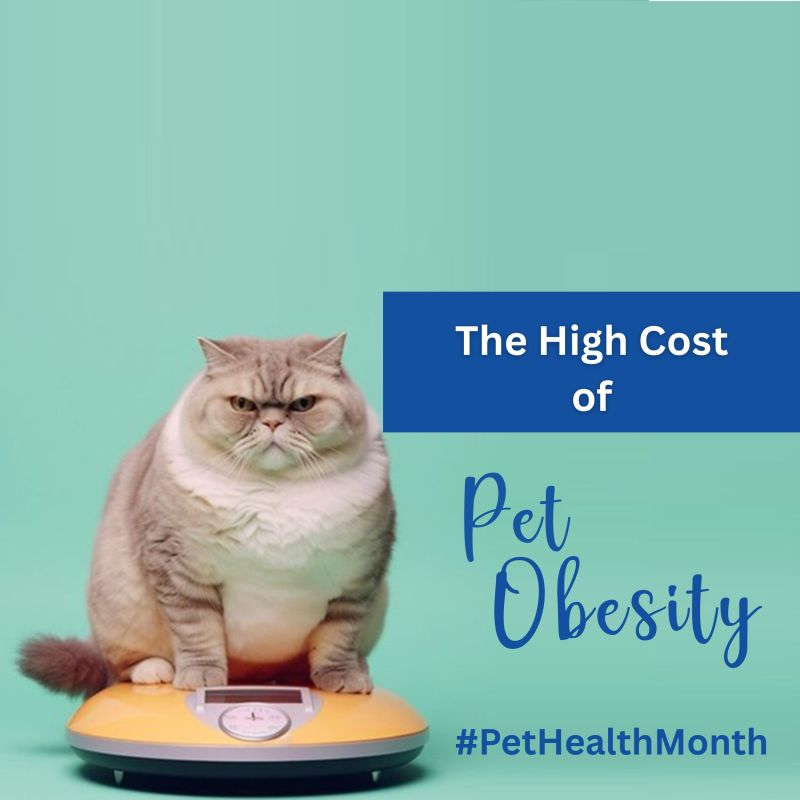
People need to be safe about their dieting and the same holds true for animals. But many pet owners don’t realize that their pets are overweight. This is because weight gain often takes place over a period and is easy to overlook. Our pet being fluffy, often means that your pet is overweight. It is important to ask the correct questions so that corrective action can be taken, before it is too late.
What is obesity?
Obesity is when your pet has too much body fat and it has a negative impact on their health, welfare and quality of life. Dogs that weigh at least 10% above their ideal body weight are considered overweight, while dogs weighing 20% more than ideal are considered obese.
What causes obesity in our pets?
The most obvious causes of obesity in pets include:
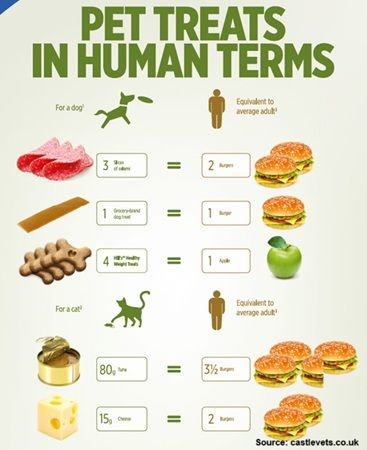
- Overfeeding, which can include the dog’s regular wet or dry food, treats designed for dogs, and “table scraps” or human foods.
- Inadequate exercise can also lead to your dog becoming overweight.
- There are some medical conditions that cause obesity, including hypothyroidism and hyperadrenocorticism, also known as Cushing’s disease.
- In addition, certain dog breeds can be predisposed to obesity, e.g. Golden Retriever, Labrador Retriever etc.
- Spayed and neutered pets also have an obesity risk.
- Age and gender. Older pets tend to gain more weight because they are less active. Female pets tend to gain more weight than their male counterparts.
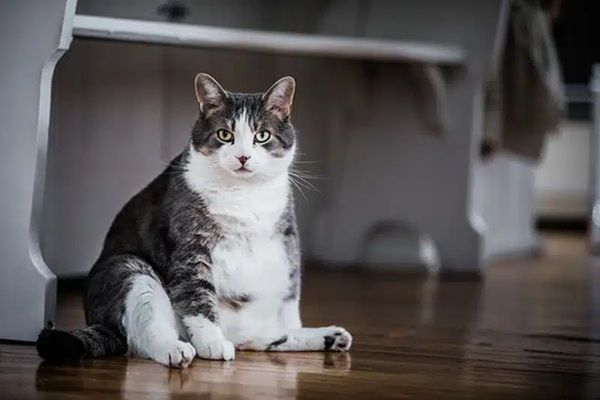
What are the risks associated with obesity in our pets?
We all love of our pets, and shower them with love, but also with unnecessary treats and food. This increases their calorie intake and over time, your pet will gain weight, and increased weight will affect their health quality.
Obesity can contribute to many conditions in dogs, including:
Arthritis, pancreatitis, kidney disease, respiratory compromise, decreased exercise and heat tolerance, increased risk of cardiovascular disease, abnormal response to insulin, increased anaesthetic risk, decreased quality of life and death.
Symptoms of obesity in pets include:
Weight gain, less energy than usual, decreased exercise tolerance, a collar or harness that seems tighter than it used to be, being unable to feel the ribs, or seeing a “waistline” (a small tuck in the belly right in front of the hind legs).
How to do a check and easy check to see if your pet has a weight problem:
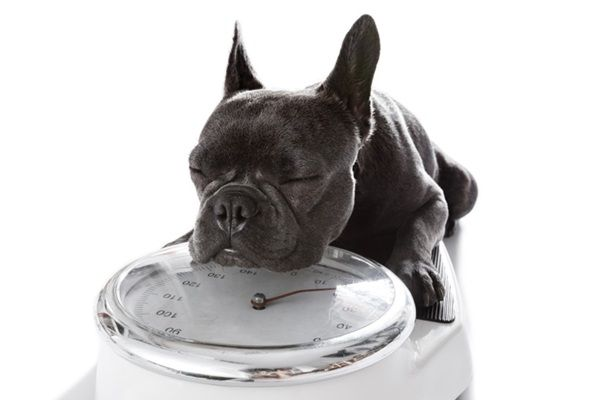
Remember that your pet should have an hourglass shape when viewed from above if he/she is at his/her ideal body weight. You can weigh your pet at home using a bathroom scale with these simple methods: 1. weigh yourself first, then weigh while holding the pet (for small to medium dogs and cats) 2. step on the scale alone and note your weight. Pick up your pet and step back on the scale. Subtract your weight from the combined weight to get your pet’s. Larger dogs can step on the scale by themselves. 3. Be a smart pet parent and know how much your pet is supposed to weight, at that age.
Let your pets stand between your legs and look down: With short-coated or hairless breeds, you should be able to see a defined waist when you view your pet from above, and a slight tuck-up after the ribs when viewed from the side. This check is best performed while your pet is standing, to prevent extra skin from altering their outline. Cats normally have an obvious pouch or skin fold that hangs below the abdomen, and this does not always indicate weight gain—in fact, this extra skin can be found on thin cats. This primordial pouch serves as extra protection for their internal organs in a fight or attack and may assist the cat when running fully extended.
If your pet has no indentation or tuck-up behind their ribs, or seems to have no “curves,” they are carrying unnecessary body weight.
Very important: If your pet is overweight, it is best to have a check-up at your veterinarian. The vet might also run some lab work to check for any underlying conditions and illnesses. that may be contributing to weight gain. If your pet has gained weight over a short period of time, your vet may also recommend x-rays to check for fluid or masses in the abdomen.
Corrective action: Beat obesity in pets – you can help them!
- Start by weighing your dog every month. After consulting your veterinarian about your individual dog’s needs, they might suggest a goal of lowering your dog’s weight by 3-5% per month. These tips may help you achieve that.
- Use a commercial weight-control diet or your vet might suggest a veterinarian only diet. With the epidemic of overweight pets in our nation, pet-food manufacturers have developed a few high-quality, tasty weight-loss labels. Nearly every manufacturer has at least one choice, sometimes by breed or by size. Be sure you read the label to ensure that it is formulated to the PFI’s standards for puppy/adult/senior maintenance and that it truly is lower in calories than what you’re feeding now — some aren’t! The biggest benefits of this choice are that you can usually feed the same volume of food, and you are providing the proper amounts of nutrients that your pet needs to stay healthy.
- Measure food accurately. If you want to stick with your current food, that’s fine. Cut it back 10% (you can do it by volume, if it’s easier) and monitor your pet. Use a measuring cup to accurately portion food for meals, and make sure to fill the cup so it is level and not heaping.
- Limit treats. Monitor or significantly cut back on treats: many pets tend to carry extra weight simply because they get way too many snacks and treats. Treats are often calorie-dense, meaning that even a few can throw off your pet’s diet. Some pet owners set aside part of one of the pet’s meals to use as treats throughout the day, especially dog trainers. You could add some veggies and water to your dog’s meals. Do not add vegetables to cat’s meals, as they are obligated carnivores. (To help dog’s feel fuller, add healthy veggies such as green beans with their kibble, or add water to their meals. When pets are well-hydrated, they feel less hungry. You must also discuss this with your vet.)
- Adding water may take some experimentation. Some pets enjoy slurping up “kibble soup,” while others prefer when the kibble has already soaked up the extra moisture. This can also help senior pets or pets who have dental pain.
- Exercise! Just like us, pets need exercise. Lengthen the daily walk (yes, cats need to walk too!) by 10% per week. If your pet enjoys playing ball/jumping for a feather teaser etc. add more sessions in every day.
Important: Always watch your pet’s reaction to the increased exercise and move up gradually. If you note any difficulty with your pet’s breathing (panting hard) or if they’re clearly trying to slow things down, then stop. Discuss the possibilities of other health issues with your veterinarian.
The benefits of keeping your pet in shape:
You love your pet and your pet loves you? Correct? Keeping them in optimal health with their weight in check, has many benefits!
- Longer Life: Healthy pets live longer.
- Less conditions: Not being obese means that your pet will be healthier.
- Happiness: Healthy pets feel good and are more playful and friendly.
- Protects Humans: Some pet diseases can spread to people.
- Is more affordable: Preventing illness is cheaper than treating serious diseases.
Sources: